Life on Grace Bay and Beyond:
What Living in Turks and Caicos Is Actually Like
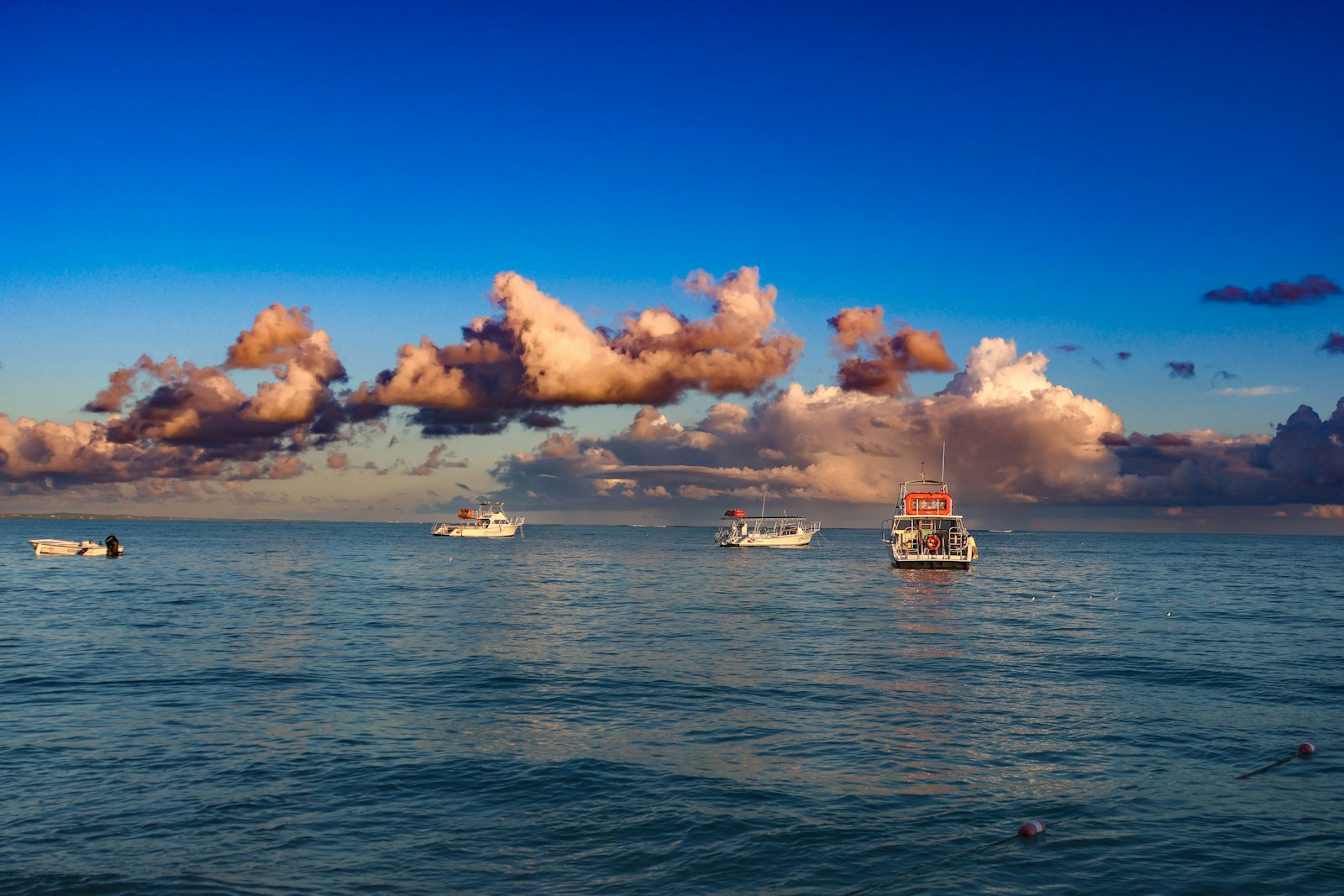
Life on Grace Bay and Beyond: What Living in Turks and Caicos Is Actually Like
Living in the Turks and Caicos Islands, a British Overseas Territory, means temperatures of 75°F to 90°F year-round and roughly 350 sunny days a year, on flat islands with the third-largest barrier reef system in the world. Daily life centres on Providenciales, and Hurricane Irma's direct hit in September 2017 makes hurricane insurance a standard cost, as at September 2026.
Key takeaways
Average temperatures: Turks and Caicos sees temperatures of 75-90°F year-round.
Sunny days: There are roughly 350 sunny days a year.
Hurricane season: The wet and hurricane season runs June-November, peaking August-September.
Hurricane history: Hurricane Irma struck Turks and Caicos directly in September 2017, causing significant damage.
The Turks and Caicos Islands are a British Overseas Territory. A UK-appointed Governor represents the Crown, the territory has its own constitution and an elected legislature, and its legal system follows English-tradition common law, with the Judicial Committee of the Privy Council as the final court of appeal for virtually all British Overseas Territories. It is not part of the European Union.
Turks and Caicos sells itself on Grace Bay's sand and water, and the marketing is not exaggerated. What it leaves out is what daily life actually looks like once the postcard view becomes the view from a kitchen window rather than a hotel balcony.
Key facts
Legal framework: The Turks and Caicos Islands are a British Overseas Territory. A UK-appointed Governor represents the Crown, the territory has its own constitution and an elected legislature, and its legal system follows English-tradition common law, with the Judicial Committee of the Privy Council as the final court of appeal for virtually all British Overseas Territories. It is not part of the European Union. (Verified)
Climate: 75-90°F year-round, roughly 350 sunny days a year, dry season December-May, wet/hurricane season June-November peaking August-September (Corroborated)
Hurricane Irma struck Turks and Caicos directly in September 2017 causing significant damage (Corroborated)
Flat terrain (no mountains, jungles or waterfalls); world's only conch farm; third-largest barrier reef system (Corroborated)
The climate, honestly
Average temperatures run 75°F to 90°F year-round, with around 350 sunny days annually and rainfall that, even in the wetter months, tends to arrive in short bursts followed by clear skies rather than sustained downpours. The dry season runs roughly December through May, and the wet season, which is also hurricane season, runs June through November, with the highest rainfall typically in September.
Turks and Caicos markets its hurricane risk as low, and direct hits are statistically less frequent than the marketing might suggest is needed to worry about. That framing needs balancing against history: Hurricane Irma struck the territory directly in September 2017 and caused substantial damage across Providenciales and the surrounding cays, a reminder that "statistically rare" does not mean "will not happen to your property specifically." Anyone buying here should treat hurricane insurance and a realistic damage reserve as standard costs of ownership rather than an unlikely contingency, in the same way buyers in Grenada or Sint Maarten should, despite each island's marketing emphasising how rarely storms actually make direct landfall.
The landscape is unlike most of the Caribbean
Turks and Caicos is relatively flat, with no mountains, rainforest or waterfalls of the kind found in Jamaica, Grenada or Saint Lucia. What it has instead is the third-largest barrier reef system in the world, supporting some of the clearest, most consistently turquoise water anywhere in the region, and salt ponds and marshes that host more than 170 recorded bird species. For a buyer whose mental image of "Caribbean lifestyle" includes hiking through rainforest or exploring waterfalls, this is worth knowing before arrival; for anyone whose priority is beach and water access above all else, the flat terrain is a genuine advantage rather than a limitation.
Food and culture
Turks and Caicos is home to the world's only commercially operating conch farm, and conch itself, in salads, fritters and cracked preparations, remains the territory's signature food alongside fresh-caught fish. The weekly Thursday night fish fry in Providenciales functions as a genuine community gathering as much as a tourist draw, with local vendors, music and dancing rather than a purely staged event. The Turks and Caicos Music and Cultural Festival and events like the Rake and Scrape festival on North Caicos showcase a musical tradition distinct from the reggae and soca more commonly associated with the wider Caribbean, rooted in the territory's Bahamian and Loyalist settlement history.
Life outside the resort corridor
Grace Bay and the immediate Providenciales resort strip represent one version of Turks and Caicos life: international, resort-dense, and geared toward tourism infrastructure. Grand Turk, the historic capital, and the smaller islands of North Caicos, Middle Caicos and Salt Cay offer a quieter, more local pace, with fewer amenities but a stronger sense of the territory's own history and community life. North and Middle Caicos, being notably greener than Providenciales, also see considerably more mosquitoes, a small but real practical consideration for anyone choosing a property there over the drier main tourist island.
Sun exposure and practical daily life
The sun in Turks and Caicos is intense, and new arrivals underestimate it consistently, a detail repeated often enough in visitor accounts to be worth taking seriously rather than dismissing as an obvious warning. Day-to-day life for residents, rather than visitors, revolves heavily around Providenciales for shopping, schooling and healthcare, with the other islands functioning more as quieter satellite communities than as fully self-sufficient alternatives to the main island's infrastructure.
Questions and answers
What is the weather like in Turks and Caicos?
Average temperatures run 75°F to 90°F year-round, with around 350 sunny days a year. The dry season runs roughly December to May and the wet season June to November, with the highest rainfall typically in September.
When is hurricane season in Turks and Caicos?
Hurricane season runs from June to November. Hurricane Irma struck the territory directly in September 2017 and caused substantial damage across Providenciales and the surrounding cays, so hurricane insurance and a damage reserve are standard costs of ownership.
Is Turks and Caicos flat?
Yes. Turks and Caicos is relatively flat, with no mountains, rainforest or waterfalls, but it has the third-largest barrier reef system in the world and salt ponds and marshes with more than 170 recorded bird species.
What is the local food in Turks and Caicos?
Conch, in salads, fritters and cracked preparations, is the signature food alongside fresh-caught fish, and Turks and Caicos is home to the world's only commercially operating conch farm. The weekly Thursday night fish fry in Providenciales is a community gathering as much as a tourist draw.
How does life on North and Middle Caicos differ from Providenciales?
North and Middle Caicos offer a quieter, more local pace with fewer amenities, and being greener they see considerably more mosquitoes. Residents rely on Providenciales for shopping, schooling and healthcare.
Related guides
More on the Turks and Caicos Islands
Relocating to Turks and Caicos: What the Zero-Tax Position Actually Means
Best Areas to Buy in Turks and Caicos: Grace Bay, Leeward and Long Bay
Similar guides for other islands
Everyday Life in Jamaica: Reggae, Patois and the Aftermath of Hurricane Melissa
Merengue, Baseball and Carnival: Everyday Life in the Dominican Republic
About the data
Figures are the latest available as of September 2026. Next review due September 2027.
This guide draws on 3 sources: 2 agency, adviser or other published source, 1 official or institutional.
Fact statuses: Verified means stated by a primary or official source (Verified (see note) adds a caveat). Corroborated means several independent sources agree, but no primary source was found. Estimate means a single source, an agency figure or an asking price. Disputed means sources conflict. Calculated by Pan Caribbean means our own arithmetic from the figures shown.
Sources and checks
Researched September 2026. Next review due September 2027.
Visit Turks and Caicos Islands: when to visit (official or institutional)
Sunset Point Villa: Turks and Caicos weather (agency, adviser or other published source)
HuffPost: five things to know before visiting Turks and Caicos (agency, adviser or other published source)
About Pan Caribbean
Pan Caribbean is a property listing portal and market data platform covering 23 markets across the Caribbean. Buyers, investors, agents and developers can search, compare and research property throughout the region, all in one place.
This guide gives general information, not legal, tax or financial advice. Pan Caribbean is not an estate agent or broker and does not act in any sale or purchase. Confirm the details with a licensed local adviser before acting.
Explore related blogs
View All
Creole Month, the Real Mas and a Festival Calendar Shaped by Storms: Everyday Life in Dominica
Island Life, Culture & Climate
Vaval, Bèlè and Rhum Agricole: Everyday Life in Martinique
Island Life, Culture & Climate
Gwoka, Carnival and a Storm Record: Everyday Life in Guadeloupe
Island Life, Culture & Climate
Cou-Cou, Crop Over and a Storm Record Shorter Than You Think: Everyday Life in Barbados
Island Life, Culture & Climate
Looking for Properties?
Browse homes that match your needs and budget with expert support and personalized advice to help you find your perfect Caribbean property. Get started within 5 days for quality advice to begin searching.