Merengue, Baseball and Carnival:
Everyday Life in the Dominican Republic
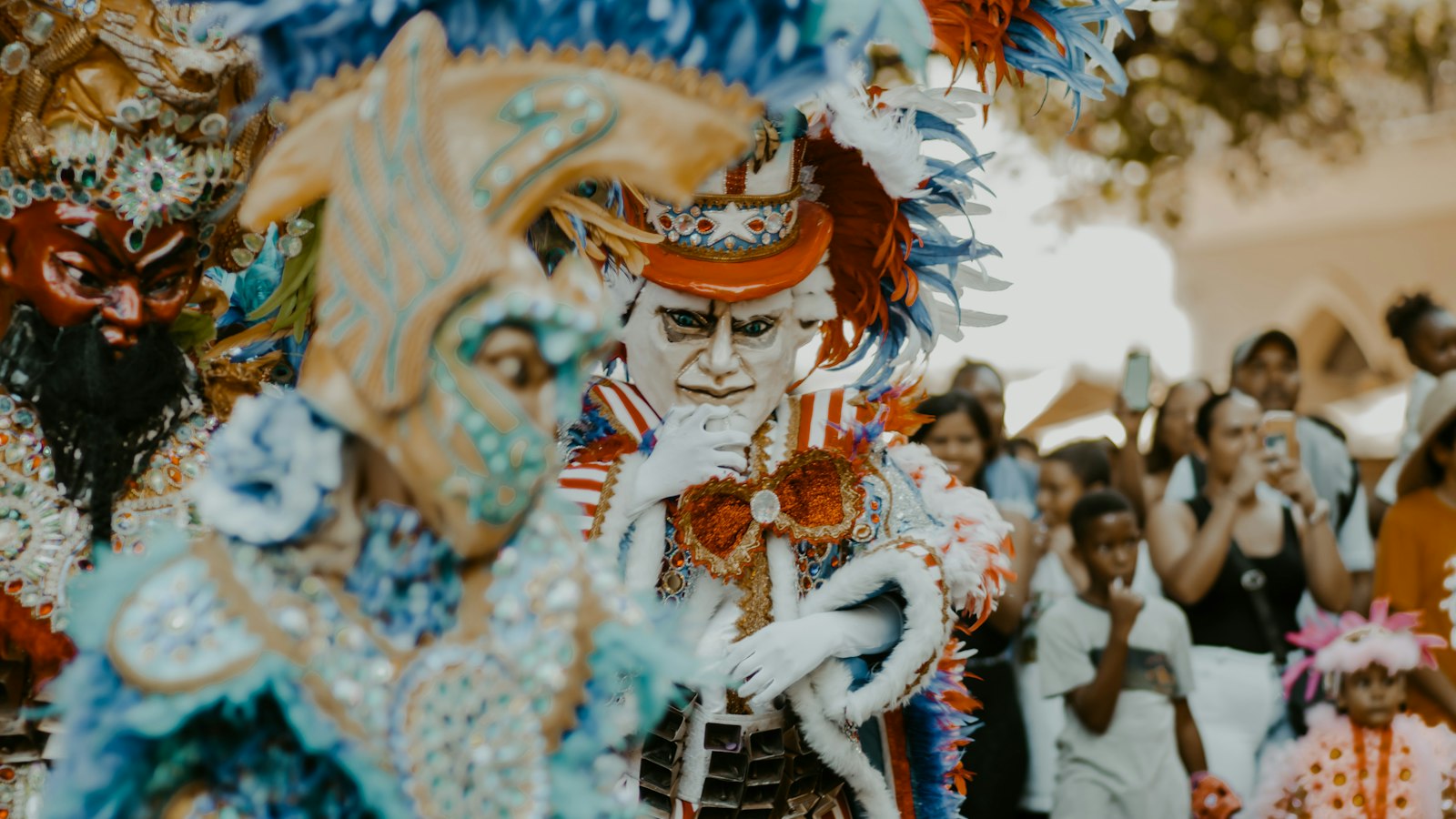
Merengue, Baseball and Carnival: Everyday Life in the Dominican Republic
The Dominican Republic is far more than its resort coast. For anyone thinking about living there, a few things shape ordinary days: Spanish, music, baseball and a hurricane season.
Language
Spanish is the official language and the language of daily life. English is commonly used in major tourism areas, such as Punta Cana, but a guide aimed at independent travellers says basic Spanish helps, and for anyone living there it is close to essential for dealing with neighbours, services and officials. This is a clear difference from the English-speaking islands covered elsewhere in this series.
Music
Merengue is the national music and dance, and a travel site says UNESCO declared it an Intangible Cultural Heritage of Humanity in 2016. Two guides say bachata has also been recognised by UNESCO. Both are everywhere: in bars, at festivals, at family gatherings and from corner shops. Santo Domingo's Colonial City, a UNESCO World Heritage Site and the first permanent Spanish city in the Americas, has venues for live merengue, salsa and bachata, according to a hotel company's traveller guide.
Carnival and holidays
Carnival runs throughout February, with parades and costumes in many towns, and 27 February, Independence Day, marks the country's independence from Haiti in 1844. La Vega's carnival is known for the diablos cojuelos, or limping devils. Carnival here follows February regardless of the Lenten calendar, according to Wikipedia, which is a difference from Caribbean carnivals that fall before Lent or in summer elsewhere in this series.
Baseball and food
Baseball is the national passion. A travel site says the country produces more Major League players than any country outside the United States, a claim not checked here. Lunch is often la bandera, white rice, stewed beans and braised meat, and other staples include sancocho, a hearty stew, mangú, mashed green plantain, and tostones.
Climate and storms
The country has a tropical climate. The rainy season runs from May to November, with the highest chance of rain in September and October, and hurricane season runs from June to November. Natural hazards such as hurricanes can affect the island during that period, so insurance, construction standards and an evacuation plan are ordinary parts of owning property. The cost and legal articles earlier in this series cover the tax side of buying.
What this means for a buyer
The Dominican Republic offers a large, Spanish-speaking society with its own pace and customs, and its resort areas are only one version of it. Spending time in the places covered in the areas and spotlight articles earlier in this series, outside the high season and in Spanish, shows how comfortable day-to-day life would be.
Explore related blogs
View All
The World's Oldest Citizenship by Investment Programme: St Kitts and Nevis in 2026
Relocating & Moving Guide
Cou-Cou, Crop Over and a Storm Record Shorter Than You Think: Everyday Life in Barbados
Relocating & Moving Guide
Residency for Dominican Republic Property Buyers: The US$200,000 Route and the Citizenship Timeline Problem
Relocating & Moving Guide
Heavy Cake, Pirates Week and Ivan: Everyday Life in the Cayman Islands
Relocating & Moving Guide
Looking for Properties?
Browse homes that match your needs and budget with expert support and personalized advice to help you find your perfect Caribbean property. Get started within 5 days for quality advice to begin searching.