Vaval, Bèlè and Rhum Agricole:
Everyday Life in Martinique
Vaval, Bèlè and Rhum Agricole: Everyday Life in Martinique
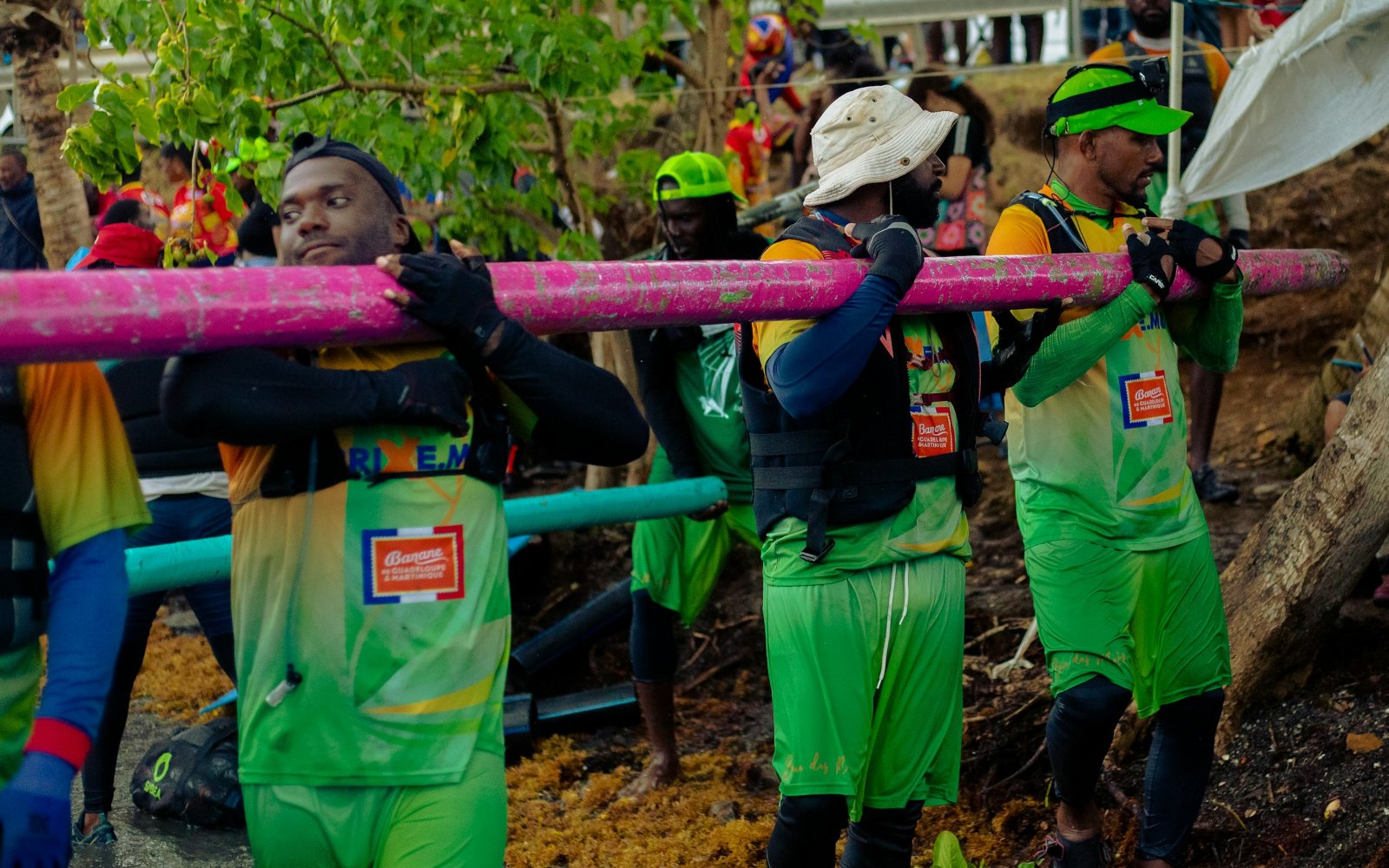
Martinique is a department of France, with the euro and French institutions. Its character, though, comes from Creole culture, a poet whose ideas still shape the island, a carnival that ends in a bonfire and some of the most celebrated rum in the Caribbean.
Key facts
Carnival starts on the first Sunday after Epiphany and ends on Ash Wednesday with the burning of Vaval; businesses close during it.
Traditional music includes bèlè, biguine, chouval bwa and zouk.
The tourism board says Martinique's rum producers have held an AOC for rhum agricole since 1996.
Hurricane Dean passed about 15 kilometres south of the island in August 2007, causing heavy damage in the south.
Language
French is the official language, and many Martinicans speak a French-based Creole. Anyone planning to live there should expect French to matter in dealings with officials, as the residency article in this series explains.
Carnival
Carnival starts in January, on the first Sunday after Epiphany, and peaks over five days. Samedi Gras and Dimanche Gras lead into the appearance of Vaval, the carnival king, a satirical mannequin whose identity stays secret until he arrives. The festival ends on Ash Wednesday, which here is a day of mourning: people dress in black and white, march through the streets and sing a Creole farewell, and at dusk Vaval's effigy is burned and the ashes spread. The 2026 dates were 15 to 18 February. Wikipedia notes that businesses close during Carnival, which is worth knowing before arranging a closing or a viewing in February.
Music and ideas
The traditional music includes bèlè, a combination of dance and song, biguine, chouval bwa and zouk. Zouk grew out of the folk music of Martinique and Guadeloupe, especially chouval bwa and Guadeloupe's gwo ka, and became popular in France as a symbol of identity for both islands.
Aimé Césaire, a Martinican poet, playwright and politician, helped found the Négritude movement. The tourism board lists Frantz Fanon, Édouard Glissant, Joseph Zobel, Patrick Chamoiseau and Raphaël Confiant among the writers, and Martinique's airport carries Césaire's name.
Food and rum
French and Creole cooking sit side by side. Typical dishes include colombo, a spiced curry, accras of cod, fricassée de lambis (conch stew) and Creole boudin, with ti' punch, a rum cocktail, to drink. The tourism board says Martinique's rum producers have held an AOC designation for rhum agricole since 1996 and calls it the world's only AOC rum label, a claim that was not independently checked.
Volcano and storms
Mount Pelée's eruption in 1902 destroyed Saint-Pierre, as the relocation guide describes. The island is in the Atlantic hurricane belt, though a French weather site describes its cyclones as rarer than on the islands further north. Hurricane Dean passed about 15 kilometres south of the island in the Saint Lucia channel in August 2007 as a Category 1 or 2 hurricane, causing two deaths and heavy damage in the south, with power and phone lines down for weeks in places. One secondary source puts the damage at over US$300 million. Maria passed about 30 kilometres to the north-east in 2017 as a Category 3 before devastating Dominica. A regional news site says Edith in 1963 was the deadliest.
What this means for a buyer
Martinique suits someone who wants a French-administered island with an unmistakable Creole culture. Visit in the Carnival season and outside it, and ask about wind and flood exposure on the south coast. The cost article in this series covers the price gap with mainland France, and the areas article covers where prices sit.
Related guides
More on Martinique
Residency in Martinique: Which Rules Apply to You and What Happens After You Arrive
What Buying and Living in Martinique Costs: Notary Fees and the 'Vie Chère' Gap
Best Areas to Buy in Martinique: Les Trois-Îlets, Sainte-Anne, Le Diamant and the Atlantic Coast
Similar guides for other islands
Explore related blogs
View All
Creole Month, the Real Mas and a Festival Calendar Shaped by Storms: Everyday Life in Dominica
Relocating & Moving Guide
Gwoka, Carnival and a Storm Record: Everyday Life in Guadeloupe
Relocating & Moving Guide
Residency in Martinique: Which Rules Apply to You and What Happens After You Arrive
Relocating & Moving Guide
Living in Guadeloupe Beyond 90 Days: The Visitor Visa and the Route to French Citizenship
Relocating & Moving Guide
Looking for Properties?
Browse homes that match your needs and budget with expert support and personalized advice to help you find your perfect Caribbean property. Get started within 5 days for quality advice to begin searching.