Life Beneath the Pitons:
Everyday Living in Saint Lucia
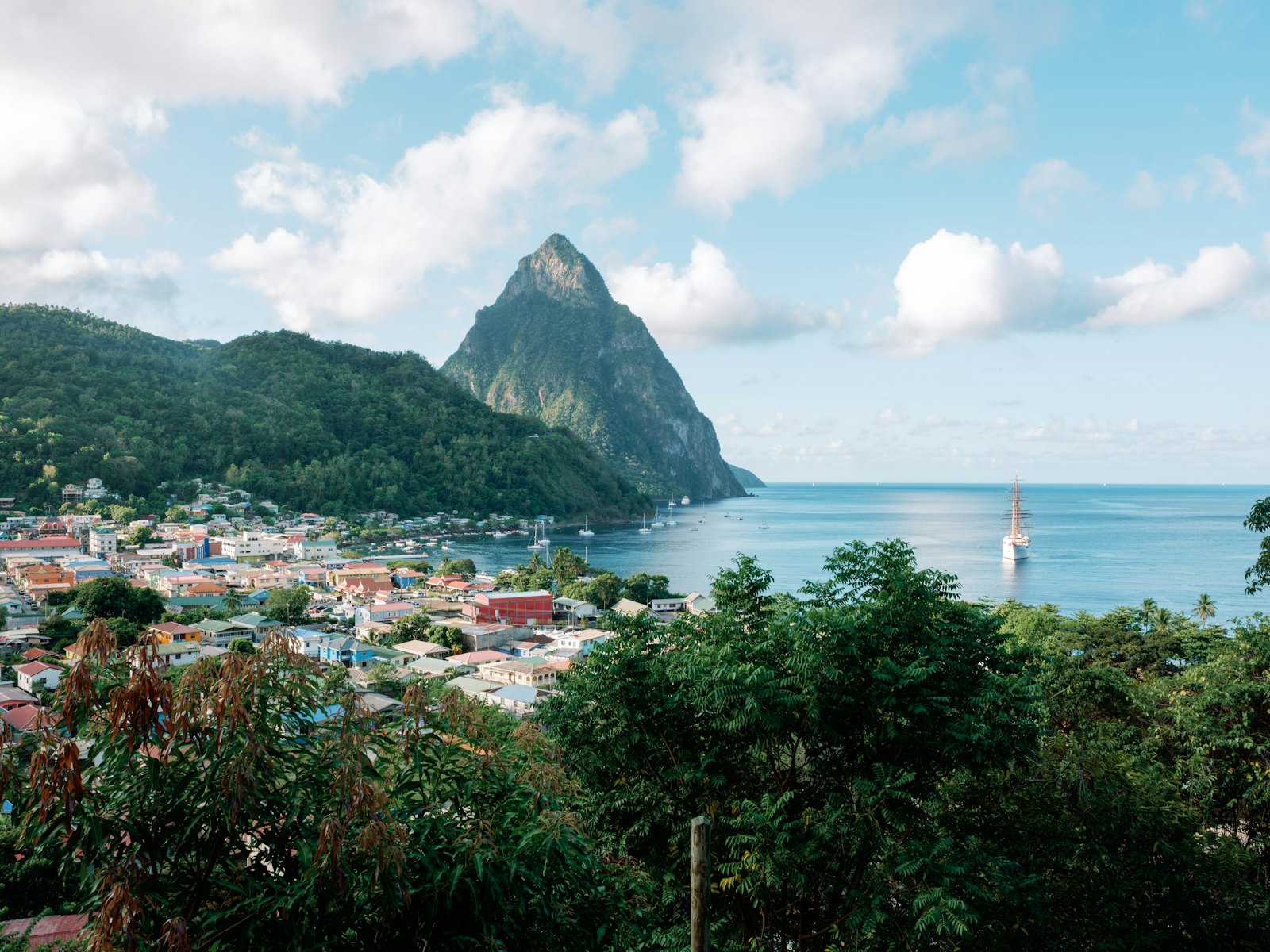
Life Beneath the Pitons: Everyday Living in Saint Lucia
Saint Lucia's nickname, Helen of the West Indies, comes from a turbulent colonial history, and that back-and-forth between French and British rule is still the single best lens for understanding the island's culture today.
A history that shaped the language people actually speak
Saint Lucia changed hands between France and Britain fourteen times over the 17th and 18th centuries, a level of contested rule matched by almost nowhere else in the Caribbean. The island ultimately became a British colony, which is why English is the official language today, but the earlier French period left a deeper linguistic mark than the eventual British administration erased: around 95% of the population still speaks Saint Lucian French Creole, known locally as Kwéyòl, alongside English. This bilingual reality shows up constantly in daily life, from radio and casual conversation to the naming of festivals and food, and it is a genuine point of cultural distinction from the more uniformly English-speaking islands like Barbados or Antigua.
Carnival and the festival calendar
Saint Lucia's Carnival runs in July rather than the pre-Lenten timing more common elsewhere in the Caribbean, with the main parade typically falling on the third Monday and Tuesday of the month, featuring steel pan competitions, calypso performances and elaborate costumes. October brings Jounen Kwéyòl, a nationwide celebration of Creole heritage built around traditional dress, food, music and the Kwéyòl language specifically, alongside a broader Creole Heritage Month of related events. The Saint Lucia Jazz and Arts Festival, held in late April or early May at Pigeon Island, rounds out a calendar with a genuine cultural event roughly every few months, giving residents (not just visitors) recurring reasons to gather.
Food
Saint Lucian cuisine blends West African, French, British and East Indian influences, a direct reflection of the island's layered settlement history. Green fig and saltfish, the national dish, exemplifies this: green (unripe) bananas paired with salted cod in a style that reflects both African culinary technique and the preserved-fish trade that shaped much of Caribbean cooking. Creole fish stews, cassava bread and cocoa-based desserts round out a food culture built around what the island actually grows and catches rather than imported convenience staples, though locally produced rum and a wide range of international restaurant options are readily available for anyone wanting variety beyond traditional Creole cooking.
Climate, and how much the two coasts actually differ
Saint Lucia runs a standard two-season Caribbean climate, with a drier, more popular tourist season from December to April and a wetter season from June through November that overlaps with the Atlantic hurricane season. Temperatures stay comfortable year-round, generally in the high 20s Celsius, with steady trade winds providing natural cooling. Saint Lucia's direct hurricane-strike risk is described consistently across sources as relatively low compared with islands further north or in more exposed positions, though the island still experiences occasional tropical storms and heavy, if usually short-lived, rain showers during the wetter months, and preparing for the season each year remains sensible practice rather than assuming immunity.
What this means for someone actually living there, not visiting
For a buyer used to a purely English-speaking Caribbean island, Saint Lucia's genuine bilingual culture and its French-influenced food and place names take some adjustment, and picking up at least conversational Kwéyòl phrases tends to earn a noticeably warmer reception in more local, less tourist-facing areas than English alone. The island's rhythm around Rodney Bay and the northern tourist corridor runs closer to what a visitor from a resort holiday would expect, while areas further south around Soufrière and the Pitons carry a slower, more agricultural and fishing-based pace that reflects the island's history more directly than its marketing usually does.
Explore related blogs
View All
Renting Out Your Turks and Caicos Property: Licences, the 12% Tax and Tighter Enforcement
Investment Strategies
Renting Out Your Bahamas Property: Registration, VAT and the New Property Tax Class
Investment Strategies
Best Areas to Buy in St Vincent and the Grenadines: Villa, Bequia, Union Island and Beyond
Investment Strategies
Looking for Properties?
Browse homes that match your needs and budget with expert support and personalized advice to help you find your perfect Caribbean property. Get started within 5 days for quality advice to begin searching.