Relocating to Turks and Caicos:
What the Zero-Tax Position Actually Means

Relocating to Turks and Caicos: What the Zero-Tax Position Actually Means
Turks and Caicos markets itself as one of the last true zero-tax jurisdictions in the Caribbean. What that description leaves out is that the one tax it does levy, stamp duty on real estate, is not small, and it is the single biggest number a buyer needs to plan around.
Buying property
There are no restrictions on foreign individuals purchasing real estate in Turks and Caicos. Unlike most of its OECS neighbours, no alien landholding licence or government permit is required to buy. Foreign corporations are the exception: they cannot hold land directly and must purchase through a local Turks and Caicos company or trust. Every buyer, local or foreign, pays stamp duty, tiered by island and property value, with the applicable rate charged on the whole price once a band is crossed. On Providenciales the bands run at 6.5% from US$25,000 to US$250,000, 8% from US$250,000 to US$500,000 and 10% for properties of more than US$500,000, so any home that qualifies for a Permanent Residence Certificate on Providenciales pays the top rate. Our guide to buying and living costs in Turks and Caicos works through the bands with examples. In the less-developed islands, Grand Turk, Salt Cay, South Caicos, Middle Caicos and North Caicos, rates run lower, at 5% to 6.5% depending on value. Furniture and appliances included in a sale may be treated separately from the property for stamp duty purposes, which is worth discussing with an attorney when structuring an offer.
Permanent Residence Certificate
Turks and Caicos does not run a citizenship by investment programme, but it offers a Permanent Residence Certificate tied to real estate investment. The qualifying investment level depends on location: US$1,000,000 on Providenciales or West Caicos, or US$300,000 in the less-developed islands. The certificate costs US$25,000 plus a small non-refundable administrative fee. A PRC generally does not include the right to work unless it is specifically based on a qualifying business investment rather than a home purchase.
Two separate statuses sit above the PRC, and they are easy to mix up. The government's own guidance states a PRC holder may become eligible to apply for naturalisation as a British Overseas Territory Citizen 12 months after obtaining the PRC, subject to other nationality-law criteria. Turks and Caicos Islander Status is a separate, locally conferred status with its own residence requirements. The two are not interchangeable, and anyone planning around either route should check which one their circumstances actually qualify for.
Working there
A PRC obtained through a straightforward property purchase typically does not grant the right to work. Anyone taking up local employment needs a separate work permit tied to a specific employer, following the regional pattern of the employer demonstrating a local hire was not available. Without British Overseas Territory Citizenship, Turks and Caicos Islander status, or a PRC, some new arrivals report difficulty obtaining a local driver's licence, worth checking with the Road Traffic Department directly.
Tax on the way in
Turks and Caicos levies no VAT and no general sales tax. Import duty is the main mechanism by which the government raises revenue, alongside stamp duty and various fees. There is no personal income tax, capital gains tax, inheritance tax, estate duty, annual property tax or wealth tax for residents. Import duty rates for household goods and personal effects vary by category, so get a written estimate from a licensed customs broker before shipping a container rather than assume the zero-tax reputation extends to the border.
Driving
Turks and Caicos drives on the left. Beyond the driver's licence point noted above, the general regional pattern applies: an initial period of driving on a valid foreign licence, followed by a local exchange or test for longer-term residents, worth confirming directly given how much this rule varies between neighbouring territories.
Banking and healthcare
Banking is well-established for a jurisdiction of its size, with several international banks present given the territory's role as a financial centre in its own right, though source-of-funds documentation is standard for larger transfers. Healthcare centres on the islands' two government hospitals, Cheshire Hall Medical Centre on Providenciales and Cockburn Town Medical Centre on Grand Turk, with more complex procedures typically referred off-island, and private health insurance including medical evacuation cover is standard practice for long-term residents.
Turks and Caicos delivers on its zero-income-tax reputation. The number that matters most in practice is stamp duty: paid once, significant, and, unlike many costs in this series, clearly published.
This guide is general information at the time of writing, not legal, tax or immigration advice. Rules and figures change, so confirm current requirements with a licensed local attorney or the relevant authority before making decisions.
Explore related blogs
View All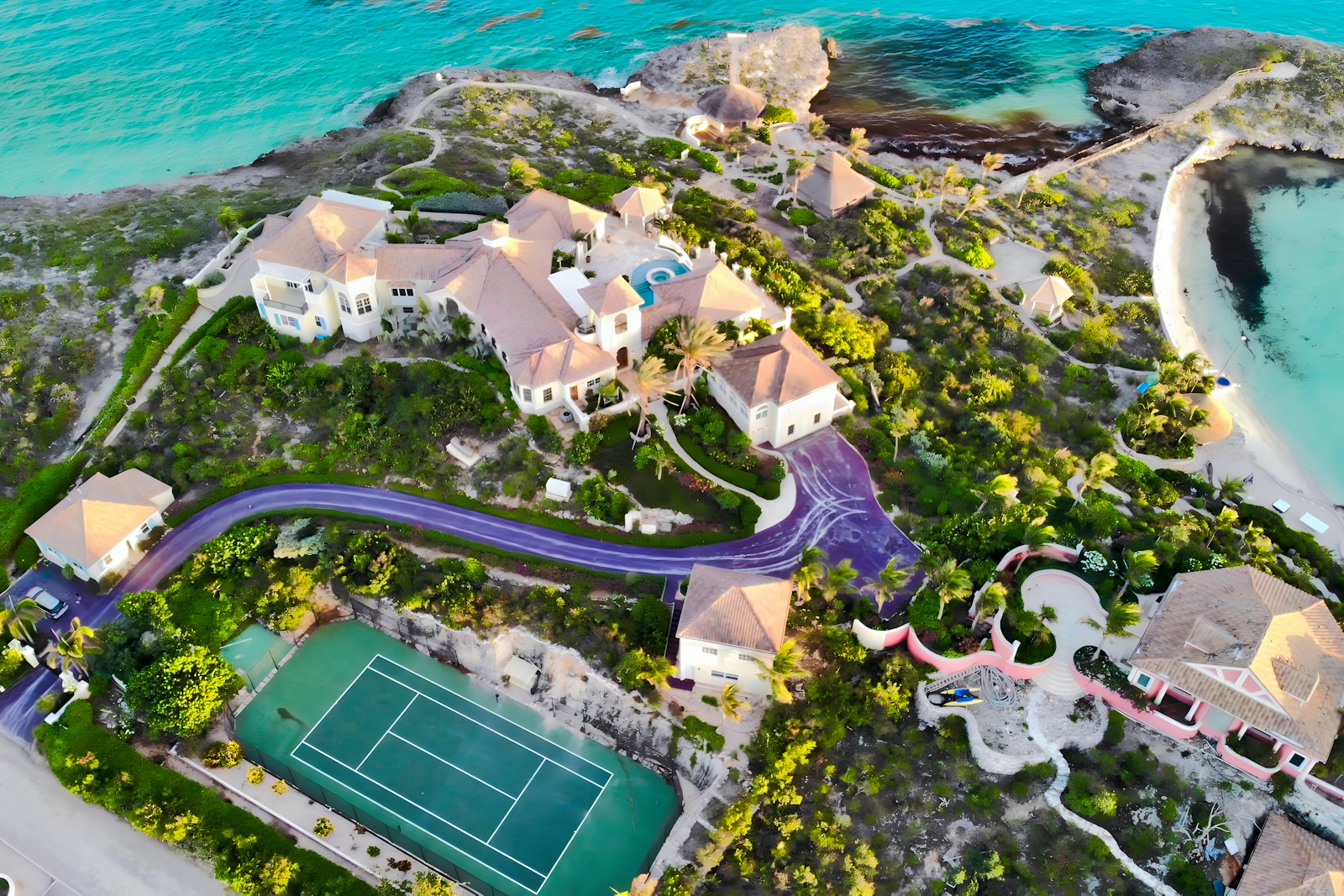
Renting Out Your Turks and Caicos Property: Licences, the 12% Tax and Tighter Enforcement
Investment Strategies
Renting Out Your Bahamas Property: Registration, VAT and the New Property Tax Class
Investment Strategies

Best Areas to Buy in St Vincent and the Grenadines: Villa, Bequia, Union Island and Beyond
Investment Strategies
Looking for Properties?
Browse homes that match your needs and budget with expert support and personalized advice to help you find your perfect Caribbean property. Get started within 5 days for quality advice to begin searching.