What Buying and Living in Turks and Caicos Actually Costs
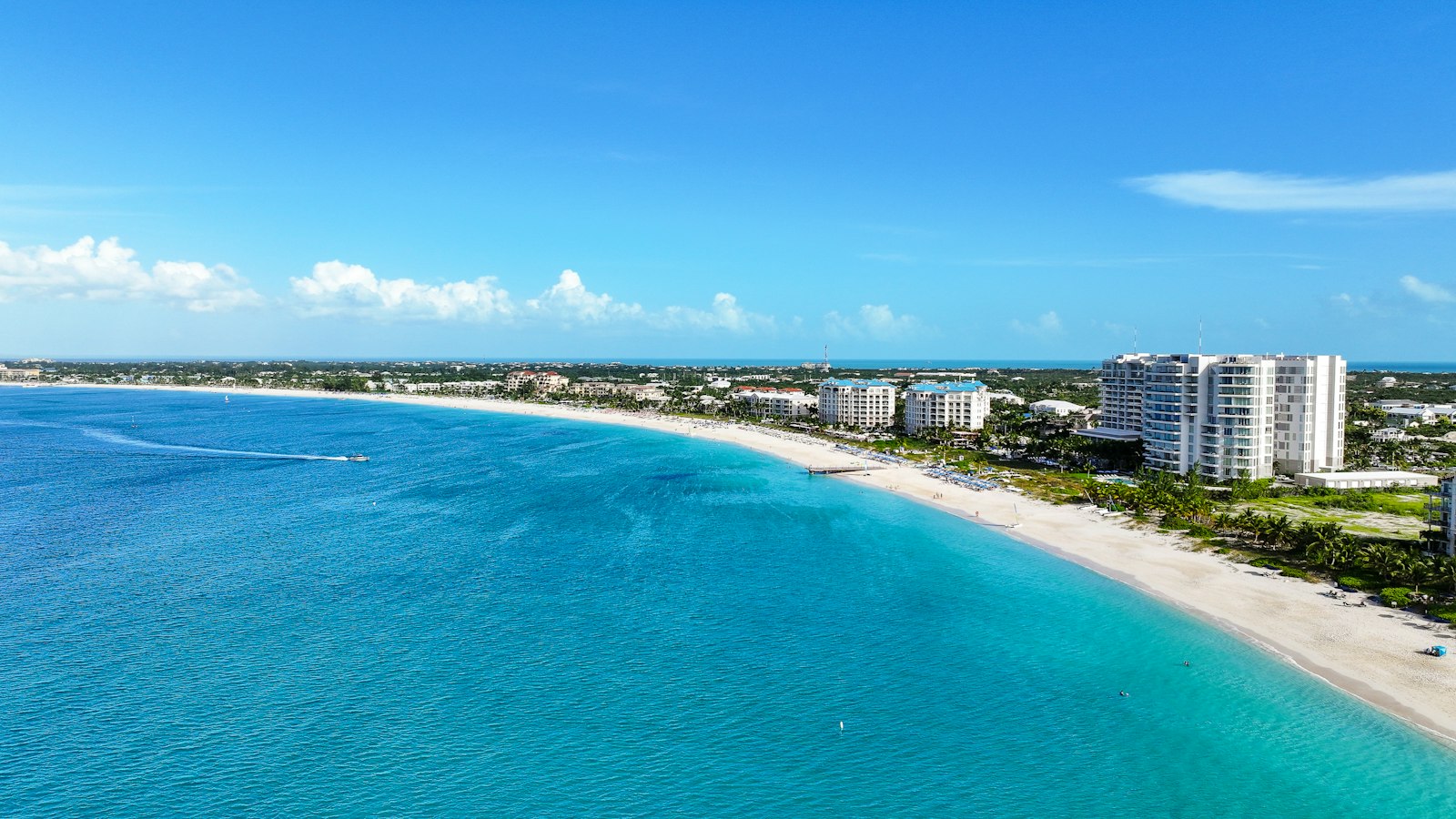
What Buying and Living in Turks and Caicos Actually Costs
Turks and Caicos has no annual property tax, which makes the purchase the main government cost. Its structure rewards careful reading, because the percentage you pay jumps at certain prices.
Stamp duty, and the cliff edges
Stamp duty is a one-off charge paid by the purchaser, normally through their attorney within 30 days. The Turks and Caicos tourist board's buying guide sets out the bands. Nothing is charged below US$25,000. On Providenciales and most other islands, the rate is 6.5% from US$25,000 to US$250,000, 8% from US$250,000 to US$500,000 and 10% above US$500,000. On Grand Turk, North, Middle and South Caicos and Salt Cay, it is 5% from US$25,000 to US$100,000 and 6.5% above that.
The point to notice is that the rate applies to the whole price, not to the slice in each band. The guide's own example makes it clear: a US$245,000 purchase on Providenciales pays US$15,925, while a US$255,000 purchase pays US$20,400. An extra US$10,000 on the price adds about US$4,500 to the duty. Contents included in a sale can be allocated separately and left out of the calculation, which is worth discussing with an attorney.
Other buying costs
Legal fees are typically around 1% of the price, with one guide quoting 1% to 2%. A deposit of 10% is usual, and the seller's attorney holds the proceeds for a period of 14 or 21 days after closing to allow for any registration problems. A mortgage carries a government registration fee of 1% of the amount secured. The seller normally pays the agent, at 6% for developed property and 10% for undeveloped land. Some communities charge association fees, and one guide puts these at US$300 to US$2,500 a month, a wide range that depends on the development.
What living costs, and why the estimates diverge
Estimates of a single person's monthly spending, including rent, run from about US$1,071 on one site to about US$3,535 on another and US$5,440 on a third. The gap comes from the lifestyle each assumes.
The line items are easier to compare. Wise's data puts a one-bedroom apartment on Providenciales at around US$2,088 a month in the centre and US$1,496 outside it, with a three-bedroom in the centre around US$5,567. Expat.com describes a decent two-bedroom on Providenciales at US$1,500 to US$3,000 and a three-bedroom house with a pool at US$3,000 to US$6,000, while local neighbourhoods such as Blue Hills and Five Cays offer modest houses at US$1,200 to US$2,000. Utilities for an 85 square metre flat are quoted at US$333 to US$557, with electricity alone anywhere from US$150 to US$500. Private health insurance is indicated at US$200 to US$750 a month per person, though that comes from an aggregator.
Outside Providenciales
North and Middle Caicos cost far less to live on. One expatriate guide puts land and houses at US$80,000 to US$200,000, but also notes that generator electricity, cistern water and limited internet are standard there. That is a reminder that low prices come with infrastructure trade-offs.
Putting a budget together
For a purchase, work out the stamp duty band first and see whether a small price change moves you into the next one. For living costs, ignore any single national average, and price rent, electricity and insurance for the specific home and neighbourhood.
Explore related blogs
View All
Renting Out Your Turks and Caicos Property: Licences, the 12% Tax and Tighter Enforcement
Investment Strategies
Renting Out Your Bahamas Property: Registration, VAT and the New Property Tax Class
Investment Strategies
Best Areas to Buy in St Vincent and the Grenadines: Villa, Bequia, Union Island and Beyond
Investment Strategies
Looking for Properties?
Browse homes that match your needs and budget with expert support and personalized advice to help you find your perfect Caribbean property. Get started within 5 days for quality advice to begin searching.