Turks and Caicos Residency Options for Property Owners
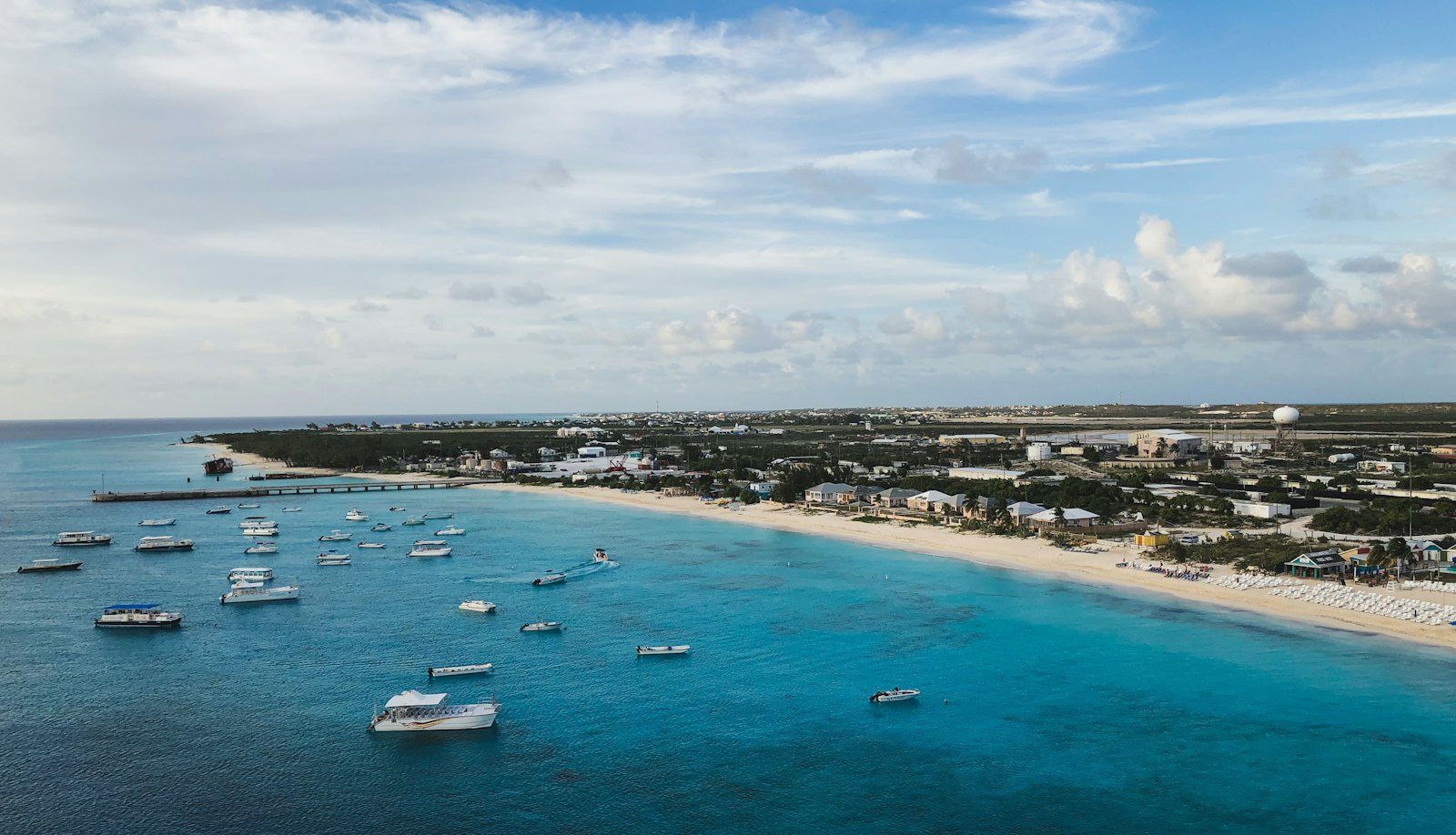
Turks and Caicos Residency Options for Property Owners
Turks and Caicos does not run a citizenship by investment programme, but property ownership does connect to residency and, eventually, citizenship through a specific sequence worth understanding in the right order, rather than assumed as a single automatic step from purchase to passport.
The Permanent Residence Certificate, briefly
The Permanent Residence Certificate (PRC), covered in detail elsewhere in this series, is the main property-linked residency route, requiring a real estate investment of US$1 million on Providenciales or West Caicos, or US$300,000 in the less-developed islands. A PRC obtained through a straightforward property purchase generally does not include the right to work, a distinction worth keeping in mind before assuming residency and employment rights arrive together.
The route from PRC to citizenship
The order matters here. The territory's own guidance states that a PRC holder may become eligible to apply for naturalisation as a British Overseas Territories Citizen (BOTC) 12 months after obtaining the PRC, a notably faster timeline than the standard route. Separately, the official naturalisation application form (Form 18(1)) sets out a general residency requirement of five years in the territory for BOTC naturalisation. These are not necessarily contradictory: the 12-month figure appears to describe a PRC-specific accelerated eligibility window, while the 5-year period describes the general residency test that applies more broadly. Exactly how the two interact for a given applicant, whether the 12-month PRC route substitutes for the 5-year residency requirement entirely or simply changes when an application can first be submitted, is a detail worth confirming directly with a Turks and Caicos immigration attorney rather than assumed from either figure in isolation.
Naturalisation is not automatic
Even meeting the residency requirement does not guarantee approval. Any naturalisation application is processed by a caseworker and must be approved by the Governor's Office, and self-assessment against the published guidance does not guarantee a successful outcome. Applicants must account for all absences from the territory during the qualifying period, with short vacation absences generally not counted against the residency requirement, though longer periods away need to be documented and explained as part of the application.
British Overseas Territories Citizenship versus Turks and Caicos Islander Status
These are two distinct things, and the territory's own tourism board is explicit that they should not be confused. BOTC is the nationality status governed by the British Nationality Act, shared in principle across all UK Overseas Territories, though in practice each territory now issues its own passport tied to a specific territorial connection. Turks and Caicos Islander Status, previously called Belongership, sits above BOTC as the highest level of immigration status specific to the territory itself. Virtually everyone who holds Islander Status also has a right to BOTC and a passport, but the reverse does not hold: plenty of BOTC holders connected to Turks and Caicos do not have Islander Status, and the two carry different practical rights within the territory.
What this means for a property buyer
For most overseas buyers, the realistic sequence runs: purchase a qualifying property, obtain the PRC, then explore the accelerated BOTC naturalisation eligibility that opens up roughly a year later, always subject to individual assessment by a caseworker and ultimate approval by the Governor's Office rather than a guaranteed outcome. Turks and Caicos Islander Status itself is a separate, higher bar generally relevant to those with a deeper, longer-term connection to the territory rather than something a straightforward property purchase and PRC application leads toward directly. Anyone whose primary goal is citizenship, rather than simply the right to own and enjoy a Caribbean property, should treat this as a multi-year process with real discretion built into it at each stage, not a purchase that comes with a passport attached.
Explore related blogs
View All
Renting Out Your Turks and Caicos Property: Licences, the 12% Tax and Tighter Enforcement
Investment Strategies
Renting Out Your Bahamas Property: Registration, VAT and the New Property Tax Class
Investment Strategies

Best Areas to Buy in St Vincent and the Grenadines: Villa, Bequia, Union Island and Beyond
Investment Strategies
Looking for Properties?
Browse homes that match your needs and budget with expert support and personalized advice to help you find your perfect Caribbean property. Get started within 5 days for quality advice to begin searching.