Can Foreigners Buy in the Turks and Caicos Islands?
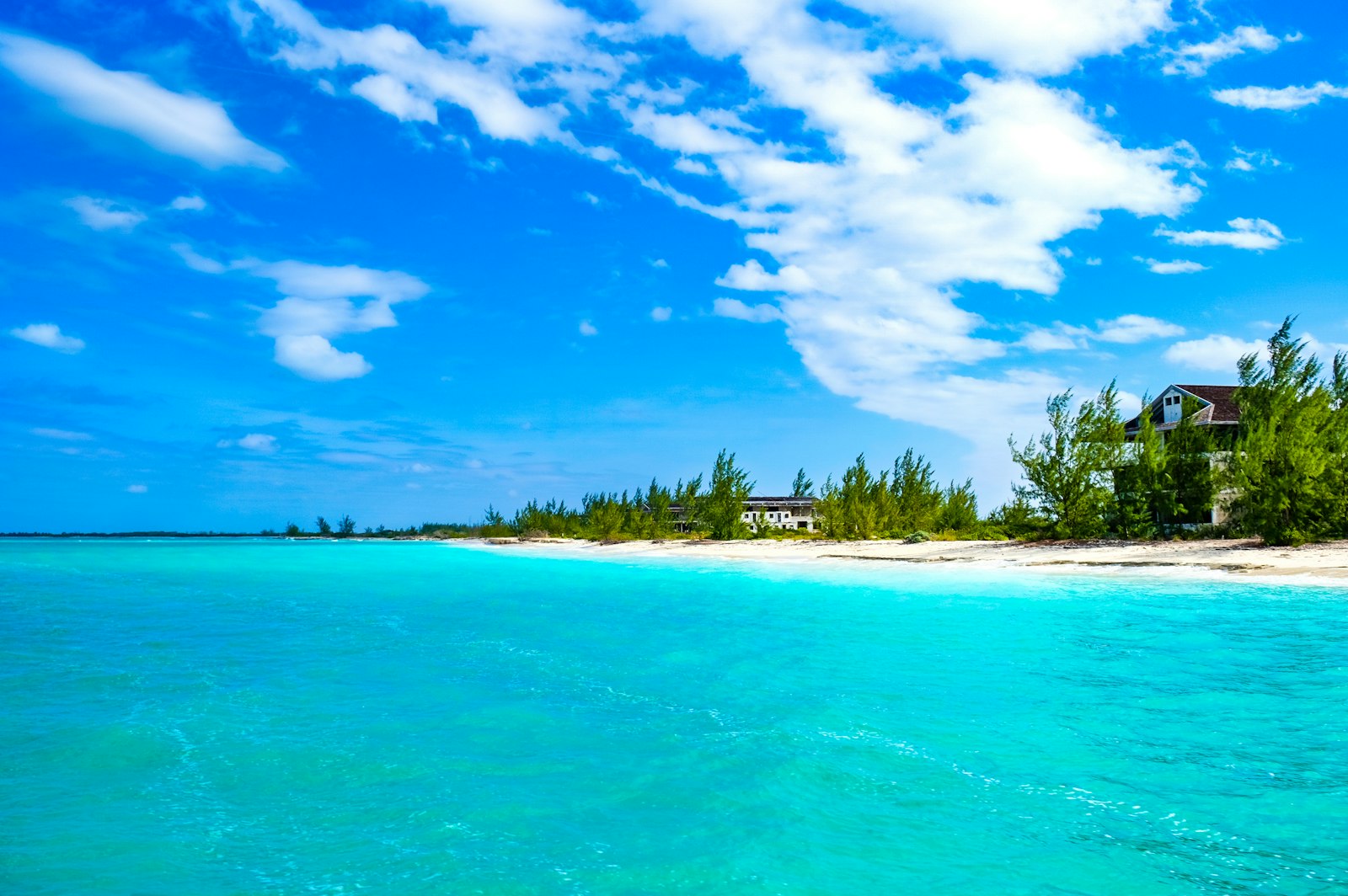
Can Foreigners Buy in the Turks and Caicos Islands?
Yes, foreigners can buy property in the Turks and Caicos Islands with no licence or permit. The British Overseas Territory charges stamp duty of up to 10% on Providenciales instead, and has no annual property tax, as at November 2026. A home bought here does not by itself give the right to live on the islands.
Key takeaways
No licence: foreign individuals can hold freehold land in the Turks and Caicos Islands without a permit, unlike in the BVI or Antigua and Barbuda.
Stamp duty: on Providenciales a purchase above US$500,000 pays 10% of the whole price.
Smaller islands: on North Caicos, Middle Caicos, South Caicos, Grand Turk and Salt Cay the top rate is 6.5%.
No annual tax: there is no annual property tax, income tax or capital gains tax.
Residence: the Permanent Residence Certificate starts at US$300,000 on the smaller islands and US$1,000,000 elsewhere, and a proposed law would change it.
Legal framework
The Turks and Caicos Islands are a British Overseas Territory and make their own property and tax law. For a buyer, that means title passes only when the transfer is registered at the Land Registry, and the stamp duty set by the territory's own Stamp Duty Ordinance must be paid within 30 days of signing.
Key facts
Legal framework: a British Overseas Territory with its own property and tax law (Verified)
Licence for foreign buyers: none needed (Corroborated)
Who holds title: an individual, or a company incorporated in the Turks and Caicos (Corroborated)
Stamp duty, all islands: nil up to US$25,000 (Verified)
Stamp duty, Providenciales and most islands: 6.5% to US$250,000, 8% to US$500,000, 10% above (Verified)
Stamp duty, the five smaller islands: 5% to US$100,000, 6.5% above (Verified)
How the rate applies: one rate on the whole price, not slice by slice (Verified (see note)). Note: the Ordinance's wording supports this and a buying guide states it; the reading is ours.
Annual property tax: none (Corroborated)
Legal fees: about 1% of the price (Estimate)
Permanent Residence Certificate: US$1,000,000 on any island, or US$300,000 on the five smaller islands (Verified)
Home that qualifies for the US$300,000 route: a distressed home on the official page, against a new or renovated home in a 2013 law-firm guide (Disputed)
Permanent Residence Certificate fees: US$150, US$1,500 and US$25,000, plus US$200 per dependant (Verified (see note)). Note: older guides say the US$1,500 is part of the US$25,000.
Do foreigners need a licence to buy in the Turks and Caicos Islands?
No. In the Turks and Caicos Islands in 2026, a foreign individual can buy and hold freehold land in their own name, with no licence of the kind the British Virgin Islands, Anguilla or the Eastern Caribbean states require. Chambers' 2026 guide, written by Dentons, and a January 2026 note on Legal 500 agree on this, and no licensing law for foreign buyers appears in the territory's official law index. No difference between American, British and Canadian buyers was found. A company is different: land can be held by an individual or by a company incorporated in the Turks and Caicos, so a foreign company buys through a local subsidiary that it owns. Title is registered as freehold or leasehold at the Land Registry, and condominiums use strata titles. Chambers notes there is no local title insurance, so the attorney's search of the register matters.
What stamp duty a buyer pays
In the Turks and Caicos the main buyer cost is stamp duty, and it depends on the island and the price. The Stamp Duty Ordinance charges nothing up to US$25,000. On Providenciales, and every island other than the five named below, the rate is 6.5% up to US$250,000, 8% up to US$500,000 and 10% above that. On Grand Turk, Salt Cay, South Caicos, Middle Caicos and North Caicos it is 5% up to US$100,000 and 6.5% above. One rate applies to the whole price, so crossing a band raises the duty on every dollar. In law all parties to the transfer are liable, but Chambers says the contract usually puts it on the buyer, and it must be paid within 30 days of signing. Selling shares in a company that owns Turks and Caicos land also attracts duty, handled by the Ministry of Finance since 1 July 2025. Legal fees are about 1% of the price according to one buying guide. Agent commission, usually paid by the seller, is about 6% on homes and 10% on land.
Worked example: buyer costs on a US$600,000 home on Providenciales
A US$600,000 home on Providenciales is above US$500,000, so the 10% rate applies to the whole price.
Stamp duty at 10%: US$60,000.
Legal fees at about 1%: US$6,000.
Total: US$60,000 + US$6,000 = US$66,000, or 11% of the price.
The same home on North Caicos would pay 6.5%, or US$39,000, giving US$45,000 with legal fees. Land Registry fees are small. This is our calculation from the figures above, not a published total.
Does buying a home give residence?
Not by itself. Owning property gives no right to live or work in the Turks and Caicos Islands. The government's citizenship and immigration site lists investment routes to a Permanent Residence Certificate: US$1,000,000 invested in a home or business on any island, or US$300,000 in a home on one of the five smaller islands. That page describes the lower route as a distressed property the applicant lives in, while a 2013 law-firm guide also allows a new home, so check which applies. The official fees are US$150 to submit, US$1,500 for the Certificate of Undertaking and US$25,000 for the certificate, with US$200 for each dependant. The page says a complete application normally takes 8 to 10 weeks. In October 2026 IMI Daily reported a proposed Immigration Bill that would replace these investment routes with a renewable 25-year permit that does not lead to permanent residence. It was not confirmed as passed when this guide was written, so ask an immigration attorney which rules apply on the day you apply.
Where sources disagree
Home that qualifies for the US$300,000 route: the official page describes a distressed property used as the applicant's home; Misick and Stanbrook (2013) describe a new home or a renovated distressed property. Ask an immigration attorney to confirm before relying on the lower threshold.
Who this suits, and who it does not
The Turks and Caicos suit a foreign buyer who wants freehold title without a licence application and who accepts a large one-off stamp duty in exchange for no annual property tax. They also suit a buyer of a modest home on the smaller islands, where the top rate is 6.5%.
They suit less well a buyer near US$500,000 on Providenciales, because a small rise in price moves the whole purchase into the 10% band. They also suit less well anyone who expects the purchase to give residence, as that needs a separate application and the rules may change.
Questions and answers
Can foreigners buy property in the Turks and Caicos Islands?
Yes. A foreign individual can buy and hold freehold land without a licence or permit. A foreign company holds land through a company incorporated in the Turks and Caicos.
How much is stamp duty in the Turks and Caicos?
On Providenciales it is 6.5% up to US$250,000, 8% up to US$500,000 and 10% above, charged on the whole price. On the five smaller islands it is 5% up to US$100,000 and 6.5% above.
Is there property tax in the Turks and Caicos Islands?
No. There is no annual property tax, income tax or capital gains tax. Short-term rentals pay a 12% accommodation tax.
Does buying property in the Turks and Caicos give residency?
No. Residence needs a separate permit. The Permanent Residence Certificate by investment starts at US$1,000,000, or US$300,000 on the five smaller islands, and a proposed 2026 law would change it.
Related guides
More on Turks and Caicos Islands
Best Areas to Buy in Turks and Caicos: Grace Bay, Leeward and Long Bay
Renting Out Your Turks and Caicos Property: Licences, the 12% Tax and Tighter Enforcement
Similar guides for other islands
About the data
Figures are the latest available as of November 2026. Next review due February 2027.
This guide draws on 13 sources: 7 official or institutional, 3 law firm, 1 specialist news and 2 buying guide.
1 figure is marked Estimate and 1 Disputed; see Where sources disagree.
No prices are quoted. The worked example uses an illustrative price.
The stamp duty rates were read in the revised edition of the Stamp Duty Ordinance showing the law as at 31 March 2021. No later change was found, but the 2024 to 2026 budget documents could not be read, so ask the attorney to confirm the current rates. The Visit TCI guides are treated as non-official, because it could not be confirmed that the site belongs to the tourist board.
Fact statuses: Verified means stated by a primary or official source (Verified (see note) adds a caveat). Corroborated means several independent sources agree, but no primary source was found. Estimate means a single source, an agency figure or an asking price. Disputed means sources conflict. Calculated by Pan Caribbean means our own arithmetic from the figures shown.
Sources and checks
Researched November 2026. Next review due February 2027.
Stamp Duty Ordinance, Cap. 19.05, revised edition (Attorney General's Chambers) (official or institutional)
Attorney General's Chambers: 2018 revised laws (official or institutional)
Citizenship and Immigration: Permanent Residence Certificate (official or institutional)
Invest Turks and Caicos: Permanent Residence Certificate process, investment routes (official or institutional)
Ministry of Finance: share transfer duty notice, 16 July 2025 (official or institutional)
Revenue Department: Hotel and Tourism Taxation (official or institutional)
Inland Revenue Department: real estate broker licensing brochure, June 2026 (official or institutional)
Chambers Real Estate 2026: Turks and Caicos, by Dentons (law firm)
Misick and Stanbrook: investment-based permanent residency, 1 October 2013 (law firm)
IMI Daily: Turks and Caicos proposes 25-year investor permits, 21 October 2026 (specialist news)
Visit TCI: stamp duty guide (buying guide)
Visit TCI: real estate buying guide (buying guide)
About Pan Caribbean
Pan Caribbean is a Caribbean property marketplace covering 23 markets: 11 independent nations and 12 overseas territories. It gives buyers clear, sourced information on each market, including prices, residency, buying costs and daily life, and offers information and consultancy services on the market to developers and investors.
This guide gives general information, not legal, tax or financial advice. Pan Caribbean is not an estate agent or broker and does not act in any sale or purchase. Confirm the details with an independent licensed professional before acting.
Explore related blogs
View All
Can Foreigners Buy in The Bahamas?
Buying Process: Legal, Tax & Financing
Can Foreigners Buy in the British Virgin Islands?
Buying Process: Legal, Tax & Financing
Can Foreigners Buy in Antigua and Barbuda?
Buying Process: Legal, Tax & Financing
Can Foreigners Buy in Dominica?
Buying Process: Legal, Tax & Financing
Looking for Properties?
Browse homes that match your needs and budget with expert support and personalized advice to help you find your perfect Caribbean property. Get started within 5 days for quality advice to begin searching.