Can Foreigners Buy in Antigua and Barbuda?
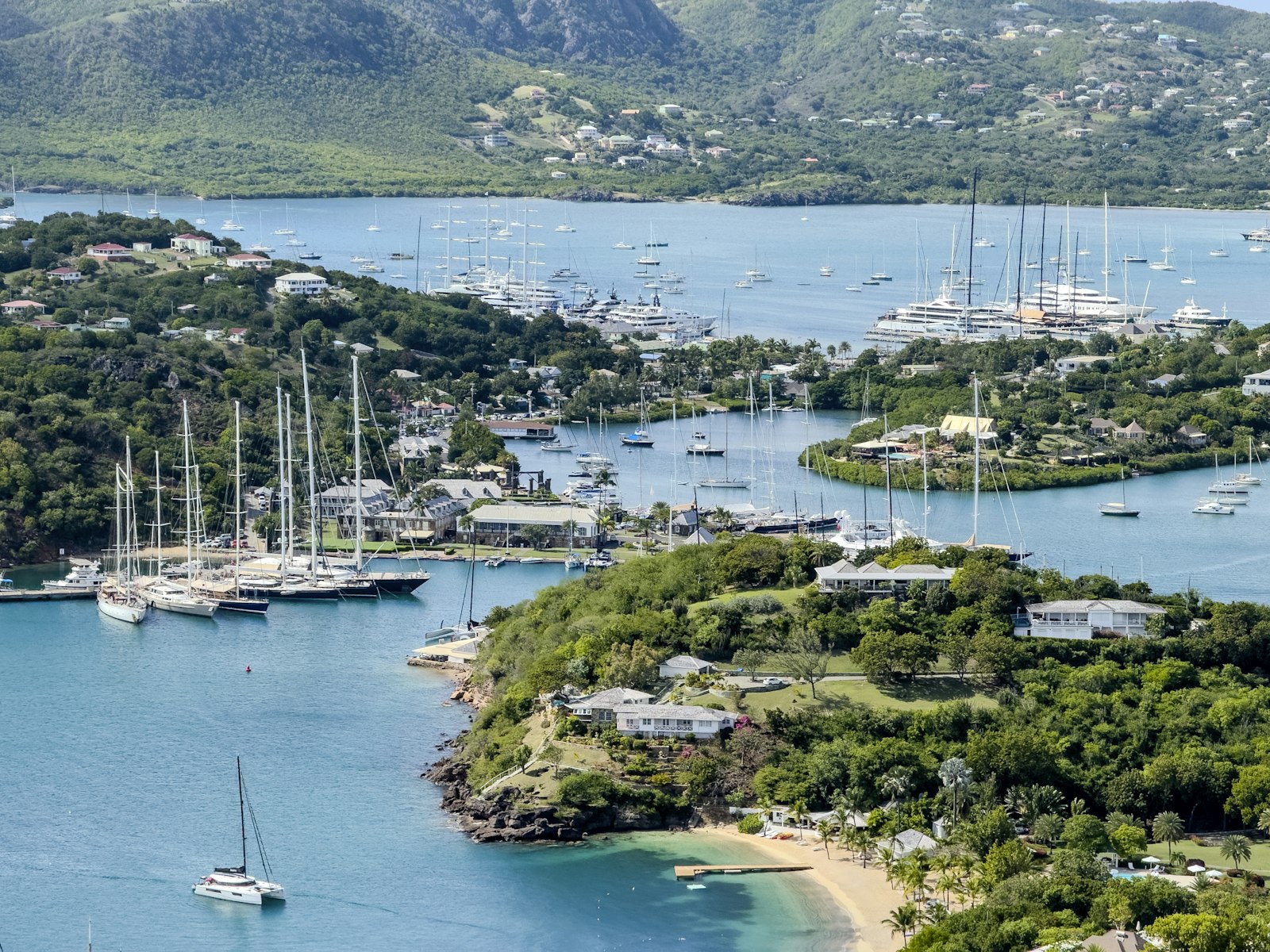
Can Foreigners Buy in Antigua and Barbuda?
Yes, foreigners can buy property in Antigua and Barbuda, but they need a Non-Citizens Land Holding Licence first. Antigua and Barbuda is an independent nation. Since 2020 the law has set the licence duty on freehold land at 7% of market value, although some 2026 adviser guides still quote 5%, as at November 2026.
Key takeaways
Licence: a non-citizen applies to the Solicitor General at the Ministry of Legal Affairs, with an EC$100 application fee, and the Cabinet advises the Governor-General on the grant.
Licence duty: the 2020 amending Act sets 7% of the market value of freehold land; Deloitte and Expanship still give 5% in 2026.
Stamp duty: 2.5% of the price paid by the buyer and 7.5% by the seller, according to Deloitte and Expanship.
Speed: a buyer can pay US$1,500 to US$5,500 for a decision within 14 days of a complete application.
Our estimate: on a US$500,000 purchase, the licence duty, buyer's stamp duty and application fee come to about US$47,537 at 7%, before legal fees.
Legal framework
Antigua and Barbuda is an independent nation and sets its own property, tax and immigration law. For a foreign buyer, the law that matters is the Non-Citizens Land Holding Regulation Act, Cap. 293, as amended in 2018 and 2020: a non-citizen who holds land without a registered licence risks losing it, so the licence comes before completion, not after.
Key facts
Legal framework: Antigua and Barbuda is an independent nation that sets its own property, tax and immigration law (Verified)
Licence required: non-citizens apply to the Solicitor General, Ministry of Legal Affairs; the Cabinet advises the Governor-General on the grant (Verified)
Application fee: EC$100 (about US$37), paid to the Commissioner of Inland Revenue (Verified (see note)). Note: the Act and the 2021 regulations say one hundred dollars without a currency code; the local currency is the EC$.
Licence duty on freehold land: 7% of market value in the 2020 Act, against 5% in Deloitte (2026) and Expanship (2026) (Disputed)
Buyer's stamp duty: 2.5% of the higher of the price or the assessed value (Corroborated)
Seller's stamp duty: 7.5% of the higher of the price or the assessed value (Corroborated)
Non-resident seller: a 5% appreciation tax on the gain in value (Corroborated)
Registration: the licence has no effect until registered in the Record Office, which needs the licence duty paid (Verified)
Fast track: a decision within 14 days for a fee of US$1,500 (under US$1.5 million) to US$5,500 (US$5.5 million or more) (Verified)
Citizenship by investment: minimum US$300,000 in approved real estate, which cannot be resold for 5 years (Verified)
Barbuda: the government says freehold title has been given to long-settled Barbudans; the Barbuda Council says the land is not for sale and is in court (Disputed)
Currency: EC$2.70 to US$1, fixed since 7 July 1976 (Verified)
Who needs the Non-Citizens Land Holding Licence?
In Antigua and Barbuda in 2026, any buyer who is not a citizen needs the licence, whether American, British, Canadian or European. No difference between these nationalities was found in the law read for this guide. The 2020 amending Act widened the definition of a non-citizen to include an Antiguan company controlled by non-citizens and every company incorporated abroad, so buying through a company does not avoid the rule. Separate licences, each with its own duty, are needed to be a director or shareholder of a company that holds land, or a beneficiary of a trust that does. The Act lets the Governor-General declare, by Order, that people from named Commonwealth Caribbean territories are not non-citizens. No such Order was read for this guide, so an Eastern Caribbean buyer should ask an attorney whether one covers them. The spouse of a citizen can apply to the Minister to be exempt from the licence duty, but still needs the licence.
How the application works
The 2021 regulations set out the forms: Form NCLHL 1 for an individual buying land, Form NCLHL 2 for a company. The form is completed online or downloaded from the Ministry of Legal Affairs, signed in person, and sent to the Solicitor General with a receipt for the EC$100 application fee. The form's own notice says the information lets the Cabinet advise the Governor-General on whether the applicant is a fit and proper person to hold and develop the land. No standard processing time is published. A buyer who needs certainty can ask the Minister in writing for expedited processing, which promises a response within 14 days of a complete application, for a fee paid to the Commissioner of Inland Revenue: US$1,500 for land worth under US$1.5 million, US$3,500 up to US$5.5 million, and US$5,500 above that. The licence is not registered in the Record Office until the duty is paid, and it has no effect until it is registered. Its conditions, such as a duty to develop the land, keep applying even if the owner later becomes a citizen, until the Minister issues a certificate of compliance.
What the licence and taxes cost
The licence duty is the largest cost for a foreign buyer in Antigua and Barbuda, and the figure depends on which source is followed. The Schedule to the 2020 amending Act sets 7% of the market value of freehold land, 7% for a lease of more than 99 years, 5% for a lease of 10 to 50 years and 3% for a lease under 10 years. The 2018 Act had set 5%, and Deloitte's 2026 summary and an Expanship guide from September 2026 still give 5%. No later Act returning the rate to 5% was found. On top of the licence duty, the buyer pays stamp duty of 2.5% and the seller 7.5%, both on the higher of the price or the assessed value. Deloitte and Expanship add a 5% appreciation tax for non-resident sellers. For a development, the Governor-General can defer the licence duty for up to three years. St Vincent and the Grenadines, to the south, uses a similar licence, and our guide to buying there sets out its fee. No reliable figure was found for attorney fees, so none is given here.
Barbuda is a separate question
Barbuda's land has been disputed since 2017. In November 2025 the government said the 2007 Barbuda Land Act had been replaced and freehold title given to long-settled Barbudans. In June 2026 the Barbuda Council said land on Barbuda is not for sale in law and that it was challenging the government's land registry plan in court. No ruling was found. Until the courts decide, a buyer looking at Barbuda should have an attorney confirm that the seller holds a title that can be transferred to a non-citizen. This guide's costs apply to Antigua.
Worked example: buyer costs on a US$500,000 purchase in Antigua and Barbuda
A US$500,000 purchase is EC$1,350,000 at the fixed rate of EC$2.70 to US$1.
Application fee: EC$100, about US$37.
Licence duty at 7%: US$35,000. At 5%: US$25,000.
Buyer's stamp duty at 2.5%: US$12,500.
Total at 7%: US$37 + US$35,000 + US$12,500 = US$47,537, or about 9.5% of the price.
Total at 5%: US$37 + US$25,000 + US$12,500 = US$37,537, or about 7.5%.
Optional fast track at this price: US$1,500 more.
Legal fees and survey costs come on top. This is our calculation from the figures above, not a published total.
Where sources disagree
Licence duty rate: the 2020 amending Act sets 7% of market value for freehold land; Deloitte (January 2026) and Expanship (September 2026) give 5%. Ask the attorney, or the Inland Revenue Department, which rate it is assessing before signing.
Barbuda: the government says freehold title has been granted to long-settled Barbudans; the Barbuda Council says the land is not for sale and is in court. Ask an attorney to confirm the title before any offer on Barbuda.
Who this suits, and who it does not
The process suits a buyer of a finished home or an approved development on Antigua who can budget about 10% of the price for the licence duty and buyer's stamp duty, and who can wait for, or pay to speed up, a Cabinet decision. The fixed fast-track fee helps a buyer with a completion deadline.
It suits less well a buyer of vacant land who has no plan to build, because licences carry development conditions that stay in force even after the owner becomes a citizen. It also suits less well anyone looking at Barbuda while the courts decide who can sell land there.
Questions and answers
Can foreigners buy property in Antigua and Barbuda?
Yes. A non-citizen needs a Non-Citizens Land Holding Licence, applied for through the Solicitor General with an EC$100 application fee, and the licence must be registered before it has effect.
How much is the non-citizen land holding licence in Antigua?
The 2020 amending Act sets 7% of the market value of freehold land. Deloitte and Expanship still give 5% in 2026, so ask the attorney which rate is being assessed.
Do US, UK or Canadian citizens need the licence in Antigua and Barbuda?
Yes. No difference between these nationalities was found. Companies controlled by non-citizens, and companies formed abroad, also need a licence.
Does buying through citizenship by investment avoid the licence in Antigua?
The real estate option needs at least US$300,000 in approved property, held for 5 years. One adviser says these buyers do not pay the licence fee, but the official pages read do not say so, so confirm it with the attorney.
How long does the licence take in Antigua and Barbuda?
No standard time is published. For US$1,500 to US$5,500, depending on the land's value, the Minister will give a decision within 14 days of a complete application.
Related guides
More on Antigua and Barbuda
Similar guides for other islands
About the data
Figures are the latest available as of November 2026. Next review due February 2027.
This guide draws on 10 sources: 6 official or institutional, 2 adviser and 2 press.
0 figures are marked Estimate and 2 Disputed; see Where sources disagree. No official current property tax rate was found, so none is given.
No prices are quoted. The worked example uses an illustrative price.
The writer read the 2020 amending Act and the 2021 regulations in full. The 2018 Act and the Deloitte summary were read by a research run in the same session. The Inland Revenue Department's pages give no rates, so the stamp duty figures rest on advisers.
Fact statuses: Verified means stated by a primary or official source (Verified (see note) adds a caveat). Corroborated means several independent sources agree, but no primary source was found. Estimate means a single source, an agency figure or an asking price. Disputed means sources conflict. Calculated by Pan Caribbean means our own arithmetic from the figures shown.
Sources and checks
Researched November 2026. Next review due February 2027.
Non-Citizens Land Holding Regulation (Amendment) Act 2020, No. 32 of 2020 (FAOLEX copy of the gazetted Act) (official or institutional)
Non-Citizens Land Holding Regulation (Prescribed Forms) Regulations 2021, SI 2021 No. 108 (FAOLEX copy) (official or institutional)
Non-Citizens Land Holding Regulation (Amendment) Act 2018 (FAOLEX copy) (official or institutional)
Citizenship by Investment Unit: real estate option (official or institutional)
Inland Revenue Department: Land Value Appreciation Tax (official or institutional)
Eastern Caribbean Central Bank: 50 years of the EC dollar peg (official or institutional)
Expanship: Stamp duty in Antigua and Barbuda, 24 September 2026 (adviser)
Antigua News: Government highlights changes on Barbuda, 20 November 2025 (press)
Real News Antigua: Barbuda Council rejects land registry push, 10 June 2026 (press)
About Pan Caribbean
Pan Caribbean is a Caribbean property marketplace covering 23 markets: 11 independent nations and 12 overseas territories. It gives buyers clear, sourced information on each market, including prices, residency, buying costs and daily life, and offers information and consultancy services on the market to developers and investors.
This guide gives general information, not legal, tax or financial advice. Pan Caribbean is not an estate agent or broker and does not act in any sale or purchase. Confirm the details with an independent licensed professional before acting.
Explore related blogs
View All
Can Foreigners Buy in Dominica?
Buying Process: Legal, Tax & Financing
Can Foreigners Buy in Saint-Martin (French Side)?
Buying Process: Legal, Tax & Financing
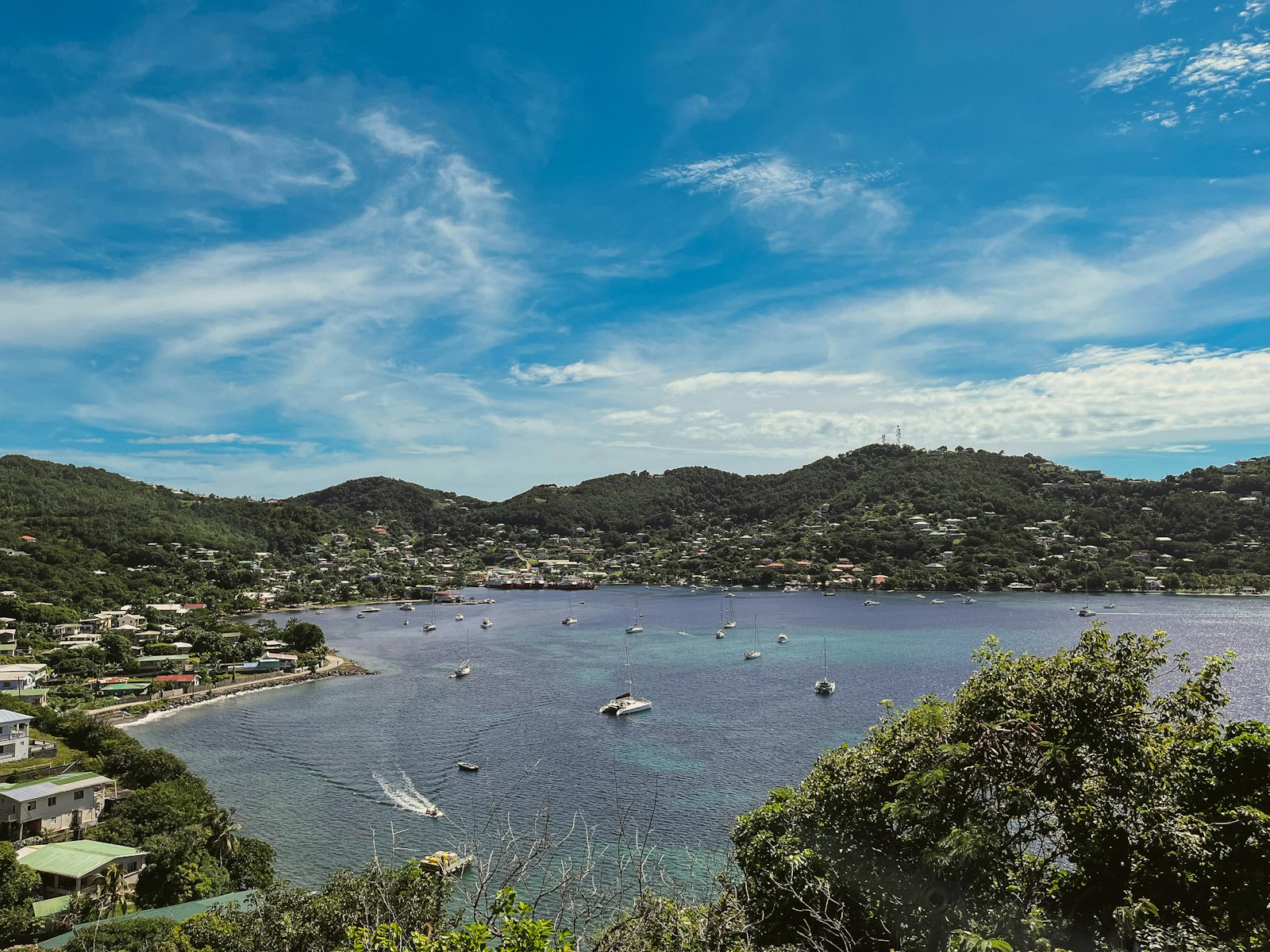
Can Foreigners Buy in St Vincent and the Grenadines?
Buying Process: Legal, Tax & Financing
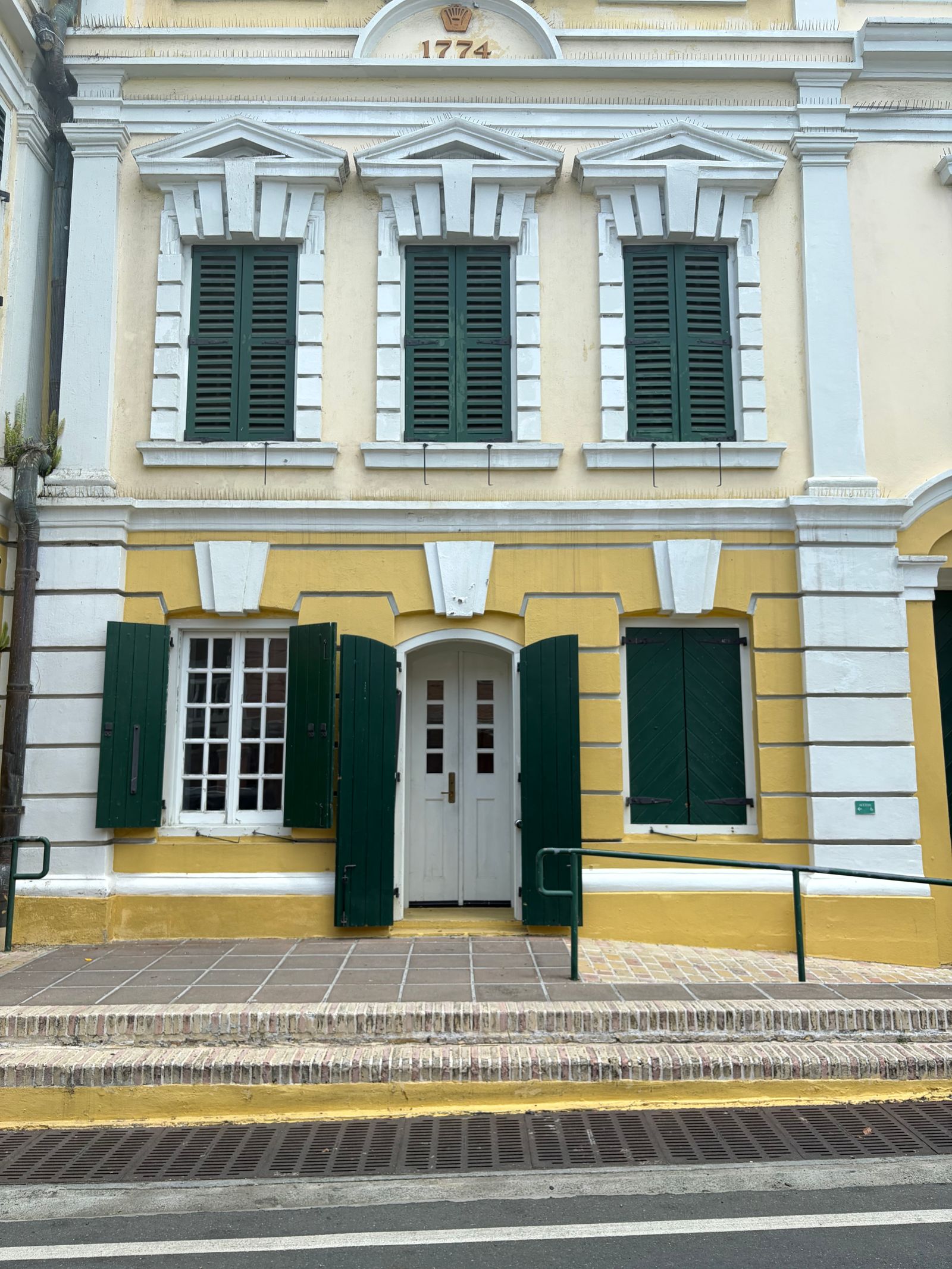
Legal, Tax and Financing Basics for Buying in the US Virgin Islands
Buying Process: Legal, Tax & Financing
Looking for Properties?
Browse homes that match your needs and budget with expert support and personalized advice to help you find your perfect Caribbean property. Get started within 5 days for quality advice to begin searching.