A Practical Guide to Relocating to Antigua and Barbuda
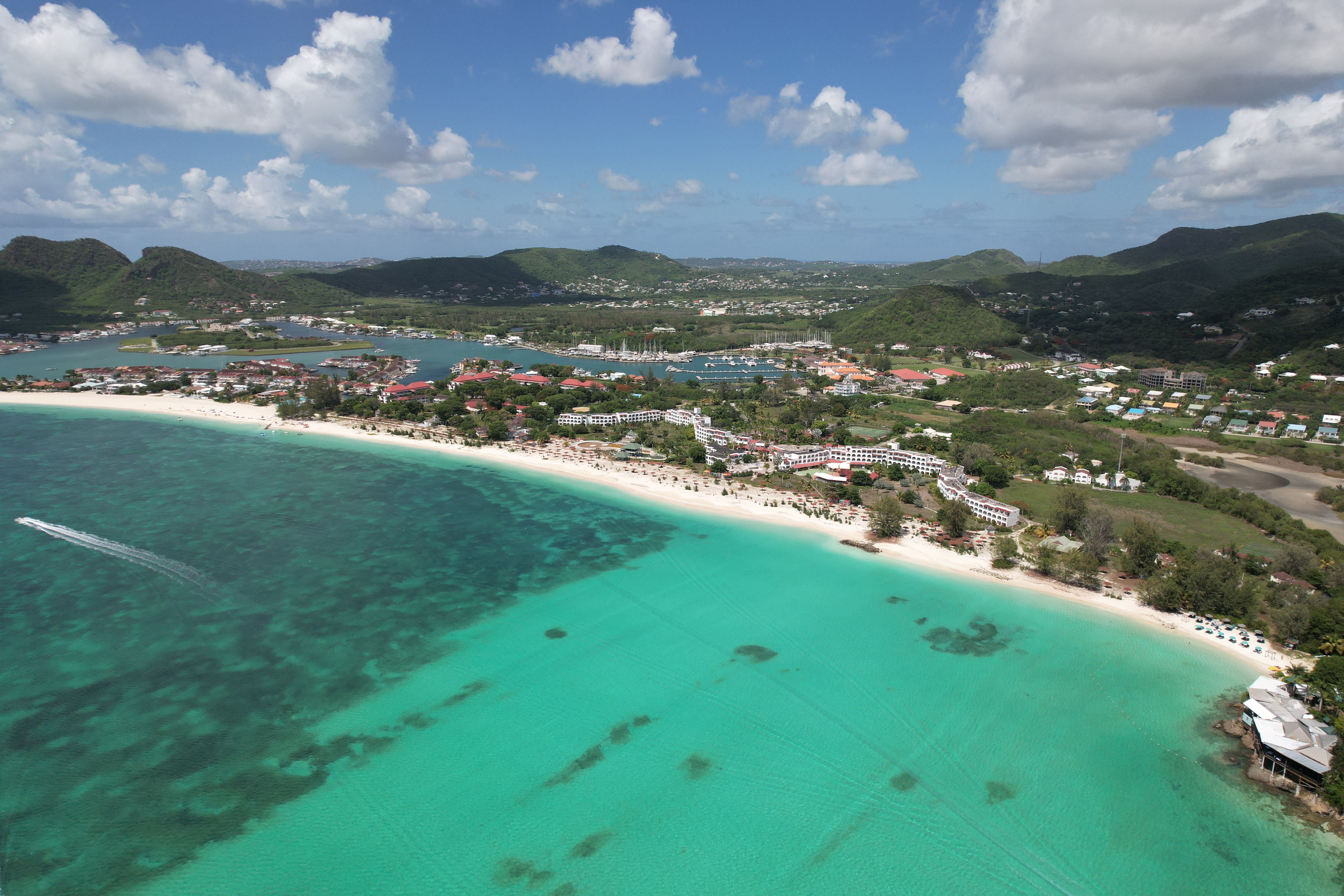
A Practical Guide to Relocating to Antigua and Barbuda
Relocating to Antigua and Barbuda, an independent nation, involves a Non-Citizen Land Holding Licence costing 7 per cent of the purchase price if you buy, standard import charges on household goods for first-time foreign residents, a Temporary Driving Permit and a local bank account. Import duty on general consumer goods is typically around 20 to 25 per cent, as at September 2026.
Antigua and Barbuda is an independent nation and sets its own property, tax and immigration law.
Most people who move to Antigua and Barbuda underestimate how much of the process happens on paper before it happens on the beach. The pace of life is the reason people come. The licence, the shipping container, the customs bill and the driving permit are what actually get them there, and the detail on all four is worth knowing before you book a one-way ticket.
Key facts
Legal framework: Antigua and Barbuda is an independent nation and sets its own property, tax and immigration law. (Verified)
Non-Citizen Land Holding Licence fee: 7 per cent of the purchase price (Corroborated)
General consumer goods import duty category rates (furniture, electronics, appliances): around 20 to 25 per cent (Estimate)
Entry and staying on
Citizens of the UK, most EU countries, the US and Canada can enter without a visa for tourist stays, though the permitted length varies by nationality and is worth confirming directly with the Antigua and Barbuda High Commission before you commit to a date. A tourist stamp is not a route to living there long-term. Staying beyond that means either a work permit tied to local employment, the Nomad Digital Residence visa for remote workers, or residency through property purchase and the Citizenship by Investment Programme, each with a separate application and its own timeline.
Buying before you arrive
Non-citizens need a Non-Citizen Land Holding Licence before a property purchase can complete. Following a 2020 amendment to the Non-Citizens Land Holding Regulations that raised the charge, the licence now costs 7 per cent of the purchase price, with approval typically taking three to six months, so it pays to build both the cost and the timeline into your moving date rather than assume completion will be quick or cheap. A number of older guides online still quote a 5 per cent fee from before the amendment, so it is worth confirming the current rate with a local Antiguan attorney rather than relying on a figure that has not been updated since the change. Buyers using an approved Citizenship by Investment project can see this fee waived, which is one reason that route appeals to some relocating families, though it carries its own due diligence process and cost. This is not legal advice, and anyone at this stage should be working with a licensed Antiguan attorney rather than a blog post.
What customs actually involves
This is the part people ask about most, and it is worth being specific rather than vague. Antigua's duty-free returning-resident concessions, which waive import duty on used household effects, are written for citizens who have lived abroad and are returning to resume residence, not for foreign nationals moving there for the first time. If that is your situation, budget for the standard regime: general consumer goods typically attract import duty of around 20 to 25 per cent, on top of the 17 per cent Antigua and Barbuda Sales Tax, a Revenue Recovery Charge of around 10 per cent and a Customs Service Charge of 6 to 10 per cent, all calculated on the cost, insurance and freight value of the shipment. There is no de minimis threshold, so even modest shipments get assessed, and the total landed cost on a container of furniture and electronics can run well above the invoice price once every charge is added.
Personal effects carried in by air get a separate, much smaller allowance, currently USD 200 per resident, with duty charged at 25 per cent on anything above that, so it is worth declaring accurately rather than hoping items go unnoticed. Vehicles have their own concession: Customs will waive duty and tax on the first EC$60,000 of a vehicle's value once every five years for qualifying individuals, a concrete figure worth checking against your own situation via Customs' online duty calculator rather than estimating. Pets need an import permit and up-to-date rabies titre records arranged well ahead of travel, plant material needs a phytosanitary certificate, and meat products are prohibited outright. Using a customs broker to handle the ASYCUDA World declaration will save most people a genuinely frustrating few days at the port, since the paperwork is detailed and mistakes cause delays rather than just fines.
Driving legally once you're there
New arrivals can drive on a valid home country licence for up to three months as a resident, or up to six months if arriving as a visitor before transitioning to residency, but a local Temporary Driving Permit is also required alongside your home licence from day one, costing around USD 20 and valid for three months. Once you pass the three-month resident threshold, you need a full Antiguan and Barbudan driving licence, either by exchanging your existing one where a reciprocal arrangement exists or by sitting the local theory and practical test. Carrying an International Driving Permit alongside your home licence is strongly advised, particularly if your licence is not printed in English, since it functions as an official translation that both rental companies and police accept without argument. Traffic keeps to the left, and the urban speed limit is a modest 20 km/h, which surprises drivers used to faster city limits.
Banking and getting set up
Non-residents, including US citizens, can open an account with an Antiguan bank, and some institutions allow remote onboarding with certified documents, though most will ask for a passport, proof of address, evidence of the source of funds and, in some cases, a reference letter from your existing bank, a step worth starting before you travel rather than after. The Eastern Caribbean dollar is pegged to the US dollar at a fixed rate of XCD 2.70 to USD 1, which removes one layer of currency uncertainty for anyone budgeting from a US dollar income. A local account, once open, tends to make everything downstream faster: mobile contracts, utility connections and even some landlord references ask for one as proof you are properly settled rather than passing through.
Settling in
Most people who relocate successfully treat the first few weeks as administrative rather than a holiday: the licence application, the customs clearance, the driving permit and the bank account all move in parallel, and getting a fixed address early tends to unstick the rest. None of this is meant to put you off Antigua. It is meant to save you a surprise bill, a delayed container or an awkward conversation with a police officer over an out-of-date permit, so that the actual business of settling in can start on schedule.
Questions and answers
How much is the Non-Citizen Land Holding Licence in Antigua and Barbuda?
Following a 2020 amendment, the licence costs 7 per cent of the purchase price, with approval typically taking three to six months. Some older guides still quote a 5 per cent fee, so confirm the current rate with a local Antiguan attorney.
What import duty do new residents pay in Antigua and Barbuda?
Duty-free returning-resident concessions are for returning citizens, not first-time foreign residents. General consumer goods typically attract import duty of around 20 to 25 per cent, plus the 17 per cent sales tax, a Revenue Recovery Charge of around 10 per cent and a Customs Service Charge of 6 to 10 per cent, all on the cost, insurance and freight value.
Can I drive in Antigua and Barbuda on my home licence?
New residents can drive on a valid home licence for up to three months, but a local Temporary Driving Permit, costing around USD 20 and valid for three months, is required alongside it. After three months as a resident, you need a full Antiguan and Barbudan driving licence.
Can foreigners open a bank account in Antigua and Barbuda?
Non-residents, including US citizens, can open an account with an Antiguan bank, and some institutions allow remote onboarding with certified documents. Most ask for a passport, proof of address, evidence of the source of funds and, in some cases, a reference letter from your existing bank.
Related guides
More on Antigua and Barbuda
Similar guides for other islands
A Practical Guide to Relocating to the British Virgin Islands
Relocating to St Barthélemy: A Guide for High-Net-Worth Buyers
About the data
Figures are the latest available as of September 2026. Next review due March 2027.
This guide draws on 8 sources: 6 agency, adviser or other published source, 2 official or institutional.
1 figure(s) are marked Estimate.
Fact statuses: Verified means stated by a primary or official source (Verified (see note) adds a caveat). Corroborated means several independent sources agree, but no primary source was found. Estimate means a single source, an agency figure or an asking price. Disputed means sources conflict. Calculated by Pan Caribbean means our own arithmetic from the figures shown.
Sources and checks
Researched September 2026. Next review due March 2027.
Antigua Estates: buyer's guide (agency, adviser or other published source)
EHI Realty Antigua: sellers' and buyers' guide (agency, adviser or other published source)
Antigua and Barbuda Customs: guidance for nationals returning home (official or institutional)
Antigua and Barbuda Customs: vehicle importation (official or institutional)
Stackry: duties and taxes in Antigua and Barbuda (agency, adviser or other published source)
VC Bird International Airport: customs and immigration (agency, adviser or other published source)
Expat Focus: driving licences in Antigua and Barbuda (agency, adviser or other published source)
Golden Harbors: banks in Antigua and Barbuda (agency, adviser or other published source)
About Pan Caribbean
Pan Caribbean is a property listing portal and market data platform covering 23 markets across the Caribbean. Buyers, investors, agents and developers can search, compare and research property throughout the region, all in one place.
This guide gives general information, not legal, tax or financial advice. Pan Caribbean is not an estate agent or broker and does not act in any sale or purchase. Confirm the details with a licensed local adviser before acting.
Explore related blogs
View All
Curaçao: Relocating and Buying Property Guide
Relocation Guides

Aruba: Relocating and Buying Property Guide
Relocation Guides
Saint-Martin: Relocating and Buying Property Guide
Relocation Guides
Anguilla: Relocating and Buying Property Guide
Relocation Guides
Looking for Properties?
Browse homes that match your needs and budget with expert support and personalized advice to help you find your perfect Caribbean property. Get started within 5 days for quality advice to begin searching.