Anguilla:
Relocating and Buying Property Guide
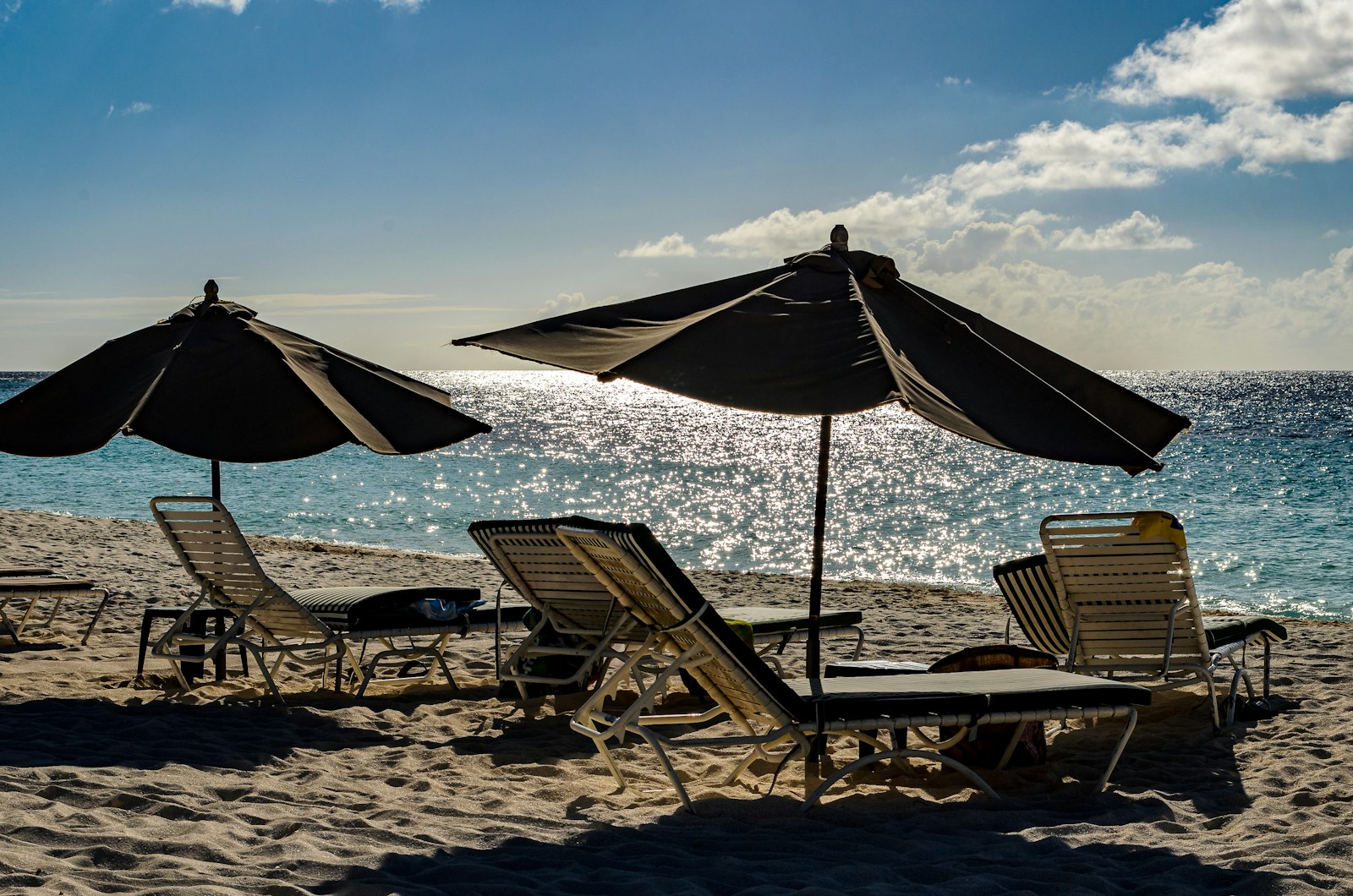
Anguilla: Relocating and Buying Property Guide
Foreign buyers in Anguilla need an Alien Land Holding Licence, and whether its stamp duty is 12.5% or a reduced 5% to 6.25% is unsettled. The island has no income, capital gains or estate tax, as at October 2026.
Key takeaways
Licence: Every non-Belonger buyer needs an Alien Land Holding Licence from the government, with a US$400 application fee.
Buyer cost: The standard stamp duty on the licence is 12.5% plus 5% transfer duty. A reduced rate of 5% for developed property and 6.25% for land was due to expire in December 2025, and whether it was extended is not confirmed.
Taxes: Anguilla charges no income tax, capital gains tax or estate tax. Property tax is charged on built property, and rates differ between sources.
Belonger status: The government lists three routes: parentage, five years of marriage to a Belonger, or 15 years of residence.
Hurricanes: Hurricane Irma in 2017 was the most powerful hurricane to hit the island.
Legal framework
Anguilla is a British Overseas Territory. A UK-appointed Governor represents the Crown, the territory has its own constitution and an elected legislature, and its legal system follows English-tradition common law, with the Judicial Committee of the Privy Council as the final court of appeal for virtually all British Overseas Territories. It is not part of the European Union. In practice, a non-Belonger buyer applies for the licence through an attorney after an offer is accepted, and an undeveloped plot also carries a 10% refundable deposit until construction is complete.
Key facts
Legal framework: Anguilla is a British Overseas Territory. A UK-appointed Governor represents the Crown, the territory has its own constitution and an elected legislature, and its legal system follows English-tradition common law, with the Judicial Committee of the Privy Council as the final court of appeal for virtually all British Overseas Territories. It is not part of the European Union. (Verified)
Area: 91 km2, with a coral limestone surface; capital The Valley (Corroborated)
Population: 15,753 at the 2021 census; the CIA lists a 2024 estimate of 19,416 (Disputed)
Currency: Eastern Caribbean dollar at 2.70 to the US dollar; the US dollar is widely accepted (Corroborated)
Alien Land Holding Licence: required of every non-Belonger buyer; application fee US$400 (Corroborated)
Licence stamp duty: 12.5% standard; 5% (developed) and 6.25% (undeveloped) under a reduced rate that was due to expire in December 2025 (Disputed)
Transfer duty: 5% on transfer of land, customarily paid by the purchaser (Disputed)
Annual property tax: residential 0.3%, commercial 0.35%, bare land nil (one source); other sources say 0.75% or none for owner-occupied property (Disputed)
Belonger status: by parentage, five years of marriage to a Belonger, or 15 years of residence (Verified)
Storms: Hurricane Luis in 1995, Lenny in 1999 (flooding of 1.5 to 6 metres) and Irma in 2017, the most powerful to hit the island (Corroborated)
What Anguilla is
Anguilla is a flat, coral-limestone island of 91 square kilometres, the most northerly of the Leeward Islands, about eight kilometres north of Saint-Martin. The capital is The Valley. The 2021 census counted 15,753 people. It separated from the federation with Saint Kitts and Nevis, formally in 1980, and is a self-governing British Overseas Territory. The currency is the Eastern Caribbean dollar at 2.70 to the US dollar, and the US dollar is widely accepted. The only airport is Clayton J. Lloyd International, and a short ferry crosses from Blowing Point to Saint-Martin. The island has been hit by Hurricane Luis in 1995, Lenny in 1999, which brought flooding of 1.5 to 6 metres, and Irma in 2017, the most powerful to reach it.
Can foreigners buy property in Anguilla?
Yes, with a licence. Anyone who is not a Belonger needs an Alien Land Holding Licence to acquire property, applied for through the Department of Lands and Surveys with references and a US$400 application fee. Buying undeveloped land adds a 10% refundable deposit, returned when construction is finished within the time set on the licence. The licence itself carries stamp duty, and this is where the sources split. The standard rate is 12.5%. A Chambers practice guide and a 2026 agency guide describe a reduced rate of 5% for developed property and 6.25% for undeveloped land, and say the duty can be negotiated lower. An adviser article published in December 2025 said it was unclear whether that reduction was extended beyond its stated expiry that month. Transfer duty of 5% is added, customarily by the purchaser, though one directory says the seller pays. The cost article for Anguilla works through the numbers.
Living there
Anguilla charges no income tax, no capital gains tax and no estate tax, according to Deloitte as quoted by a tax directory, which also lists a 13% general services tax and a residential property tax of 0.3%. The government's Belonger status can be obtained through parentage, five years of marriage to a Belonger, or 15 years of residence, and the residency article for Anguilla covers the position of buyers.
Worked example: licence and transfer duty on a US$1,000,000 purchase
On a US$1,000,000 purchase of developed property, transfer duty of 5% is US$50,000. The licence stamp duty is US$125,000 at the standard 12.5%, giving US$175,000, or 17.5%, or US$50,000 at the reduced 5%, giving US$100,000, or 10%. Legal fees of 1% to 2% (US$10,000 to US$20,000) and the US$400 application fee are extra. This is our calculation from the figures above, not a published total.
Where sources disagree
Licence stamp duty: 12.5% standard against a reduced 5% (developed) and 6.25% (undeveloped) that was due to end in December 2025. Ask an Anguilla attorney which rate applies on the day of purchase.
Who pays transfer duty: the purchaser, customarily, according to a law-firm guide; the seller, according to one tax directory.
Annual property tax: 0.3% residential and 0.35% commercial with nil on bare land (one source); a flat 0.75% (an older source); none for owner-occupied property (an agency). Confirm with the Revenue Department.
Belonger by residence: 15 years on the government's pages, 25 years on an adviser's page. The official pages are used.
Who this suits, and who it does not
Suits: Buyers who value a low-tax, low-density island and accept a high entry cost.
Does not suit: Buyers who need a low purchase cost, a fast route to residency, or certainty about the licence rate before they commit.
Questions and answers
Can foreigners buy property in Anguilla?
Yes, with an Alien Land Holding Licence, which has a US$400 application fee and carries stamp duty of 12.5% at the standard rate.
How much does the Alien Land Holding Licence cost in Anguilla?
The standard stamp duty on the licence is 12.5%. A reduced 5% (developed) and 6.25% (undeveloped) rate was due to expire in December 2025, and sources disagree on whether it continues.
Does Anguilla have income tax or capital gains tax?
No. Anguilla charges no income tax, no capital gains tax and no estate tax, according to Deloitte as quoted by a tax directory.
How do you become a Belonger in Anguilla?
The government lists three routes: parentage, five years of marriage to a Belonger, or 15 years of residence.
Was Anguilla hit by Hurricane Irma?
Yes. Hurricane Irma in 2017 was the most powerful hurricane to hit the island, after Luis in 1995 and Lenny in 1999.
Related guides
More on Anguilla:
Similar guides for other islands:
British Virgin Islands: Relocating and Buying Guide
Making the Move: A Practical Guide to Relocating to Dominica
About the data
Figures are the latest available as of October 2026. Next review due April 2027.
This guide draws on 9 sources: 3 agency, adviser or other published source, 2 law or professional firm, 2 official or institutional, 2 reference (Wikipedia).
0 figure(s) are marked Estimate and 4 Disputed; see Where sources disagree.
Fact statuses: Verified means stated by a primary or official source (Verified (see note) adds a caveat). Corroborated means several independent sources agree, but no primary source was found. Estimate means a single source, an agency figure or an asking price. Disputed means sources conflict. Calculated by Pan Caribbean means our own arithmetic from the figures shown.
Sources and checks
Lex Mundi: doing business in Anguilla (law or professional firm)
Chambers: Real Estate 2025, Anguilla (law or professional firm)
Government of Anguilla: Anguilla status (official or institutional)
Government of Anguilla: Immigration Department (official or institutional)
Dan Merriam: alien landholding licence cost and timeline (agency, adviser or other published source)
Tax Haven Directory: Anguilla zero-tax guide (agency, adviser or other published source)
7th Heaven Properties: buying property in Anguilla (agency, adviser or other published source)
Wikipedia: Anguilla (reference (Wikipedia))
Wikipedia: Geography of Anguilla (reference (Wikipedia))
About Pan Caribbean
Pan Caribbean is a property listing portal and market data platform covering 23 markets across the Caribbean. Buyers, investors, agents and developers can search, compare and research property throughout the region, all in one place.
This guide gives general information, not legal, tax or financial advice. Pan Caribbean is not an estate agent or broker and does not act in any sale or purchase. Confirm the details with a licensed local adviser before acting.
Explore related blogs
View All
Curaçao: Relocating and Buying Property Guide
Relocation Guides
Aruba: Relocating and Buying Property Guide
Relocation Guides
Saint-Martin: Relocating and Buying Property Guide
Relocation Guides
Trinidad and Tobago: Relocating and Buying Guide
Relocation Guides
Looking for Properties?
Browse homes that match your needs and budget with expert support and personalized advice to help you find your perfect Caribbean property. Get started within 5 days for quality advice to begin searching.