Aruba:
Relocating and Buying Property Guide
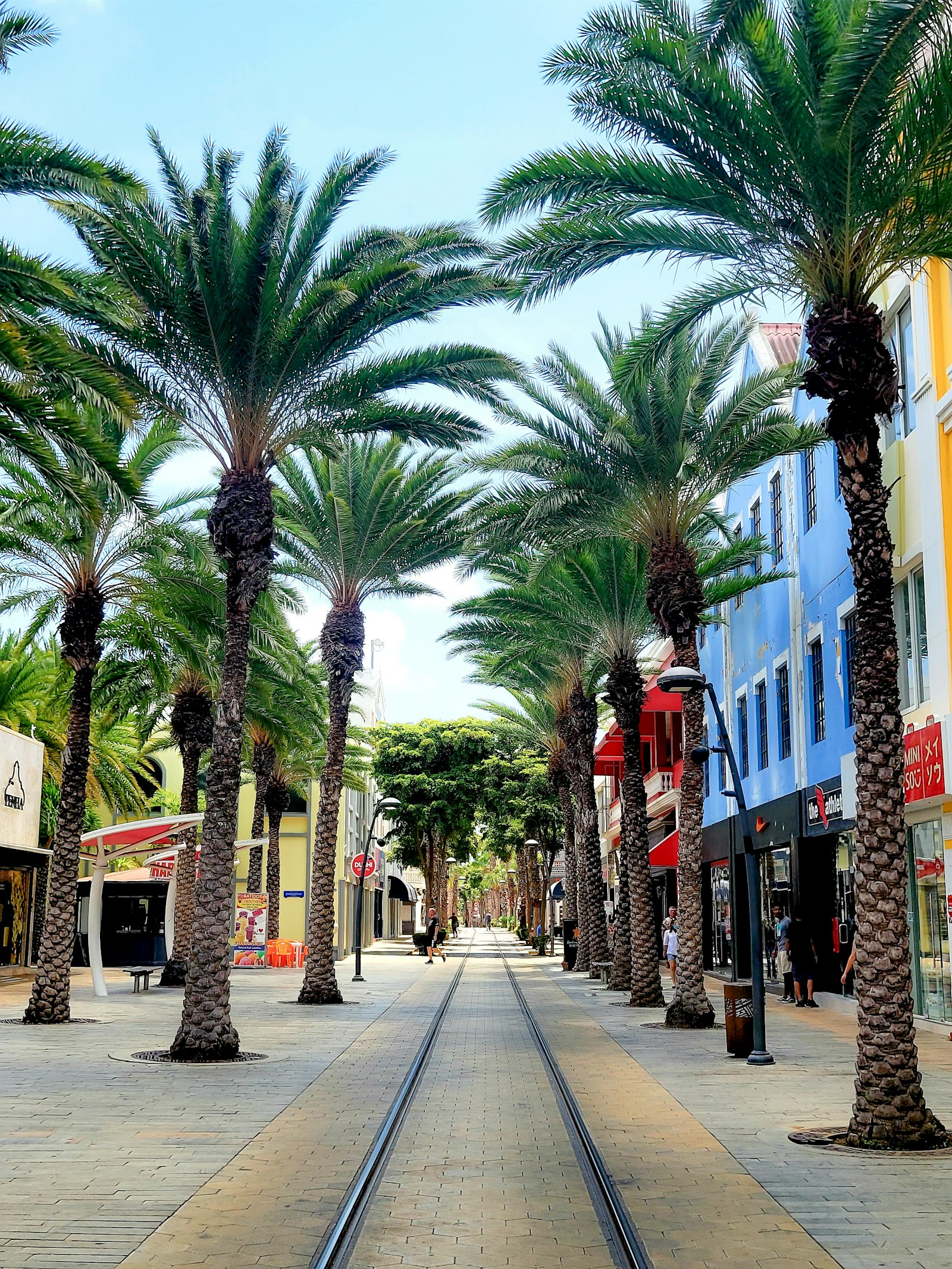
Aruba: Relocating and Buying Property Guide
Foreigners buy property in Aruba on the same terms as Arubans, with transfer tax of 3% or 6% and notary fees of about 2%, as at October 2026. Land is either freehold or a 60-year lease.
Key takeaways
Foreign buyers: Foreigners have the same property rights as Arubans, and no special permission is needed.
Two kinds of land: Property is either eigendom (freehold) or erfpacht (a 60-year government lease, renewable). The building is owned either way.
Buying cost: Transfer tax is 3% up to AWG 250,000 (about US$140,000) and 6% above, plus notary fees of about 2%. Sources disagree on whether the 6% applies to the whole price or only the part above the threshold.
Annual tax: Non-residents pay a flat 0.6% land tax, quoted by several agencies.
Weather: Aruba lies outside the hurricane belt, though it is occasionally affected by hurricanes.
Legal framework
Aruba is an autonomous constituent country of the Kingdom of the Netherlands (since 1986), with its own parliament, prime minister and courts. Foreign policy and defence are Kingdom matters. Residents hold Dutch nationality, but Aruba is outside the European Union and the Schengen Area and sets its own entry rules. The currency is the Aruban florin, pegged at 1.79 to the US dollar. In practice, a civil-law notary handles every transfer, collects the transfer tax for the government, and typically takes two to three months to close.
Key facts
Legal framework: Aruba is an autonomous constituent country of the Kingdom of the Netherlands (since 1986), with its own parliament, prime minister and courts. Foreign policy and defence are Kingdom matters. Residents hold Dutch nationality, but Aruba is outside the European Union and the Schengen Area and sets its own entry rules. The currency is the Aruban florin, pegged at 1.79 to the US dollar. (Verified)
Area and population: about 180 km2; about 107,600 in 2024 (World Bank) and about 108,200 for 2026 (UN) (Corroborated)
Language: Dutch and Papiamento are official (Papiamento since 2003); English and Spanish are widely spoken (Corroborated)
Currency: Aruban florin, pegged at 1.79 to the US dollar; the US dollar is widely accepted (Corroborated)
Foreign ownership: the same rights as Arubans; the process is the same for residents and non-residents (Corroborated)
Land tenure: eigendom (freehold) or erfpacht (60-year government lease with an annual fee, renewed automatically in one source) (Corroborated)
Transfer tax: 3% up to AWG 250,000 and 6% above; whether 6% applies to the whole price or the excess is not clear (Disputed)
Notary fees: about 2% (1% for the transfer deed and 1% for a mortgage deed), quoted as 1% to 2% for each deed by another agency (Corroborated)
Annual land tax: non-residents 0.6% of value; residents progressive from about 0.4%, with a deduction (Disputed)
Climate: outside the hurricane belt, but still occasionally affected by hurricanes (Corroborated)
What Aruba is
Aruba is the westernmost of the ABC islands, about 32 kilometres off Venezuela's coast, with an area of about 180 square kilometres (older sources say 193) and a population of about 107,600 in 2024. It left the Netherlands Antilles in 1986 and is an autonomous country in the Kingdom of the Netherlands. Dutch and Papiamento are the official languages, and English and Spanish are widely spoken. The currency is the Aruban florin, pegged at 1.79 to the US dollar, which is also widely accepted. Tourism provides the largest share of income. The island lies outside the hurricane belt, but is still occasionally affected by hurricanes.
Can foreigners buy property in Aruba?
Yes, on the same terms as Arubans. A civil-law notary, required by law, draws up the transfer deed, checks the land registry and public registers for the seller's title and any embargoes, and collects transfer tax for the government. Closing usually takes two to three months. Land is held either as eigendom, which is freehold, or erfpacht, a 60-year lease from the government with an annual fee, on which the building is yours to sell, mortgage or transfer. Local banks lend to non-residents, who should expect a down payment of 40% to 50%, according to one 2026 guide.
What does buying cost?
Transfer tax is 3% up to AWG 250,000, about US$140,000, and 6% above that, and it is paid by the buyer through the notary. Notary fees run at about 2%, covering the transfer deed and a mortgage deed if you borrow. Total closing costs are quoted at 5% to 8% by one agency, and 7% to 10% by another. Each year, non-residents pay a flat 0.6% land tax on appraised value. The cost article for Aruba works through the figures.
Living there
UK visitors can stay up to three months without a visa, and Aruba sets and enforces its own entry rules. A longer stay needs a residence permit. Advisers describe a one-year renewable permit, including a retirement or income route, and permanent residence after five consecutive years. The residency article for Aruba covers the position of buyers.
Worked example: transfer tax on a AWG 400,000 purchase
AWG 400,000 is about US$223,000 at 1.79. If 6% applies to the whole price, transfer tax is AWG 24,000. If 3% applies to the first AWG 250,000 (AWG 7,500) and 6% to the remaining AWG 150,000 (AWG 9,000), it is AWG 16,500. The difference is AWG 7,500, about US$4,200. This is our calculation from the figures above, not a published total, and the notary will confirm which method applies.
Where sources disagree
Transfer tax method: 3% below AWG 250,000 and 6% above, applied to the whole price according to most agencies, or 6% only on the difference according to one. Ask the notary.
Closing costs: 5% to 8% (one agency) against 7% to 10% (another).
Land tax for residents: progressive from about 0.4% with a deduction (older sources) against 0.4% from AWG 500,000 and 0.6% from AWG 750,000 (a 2026 agency). Non-residents are consistently 0.6%.
Area: about 180 km2 (most sources) against 193 km2 (older sources).
Who this suits, and who it does not
Suits: Buyers who want a straightforward purchase on the same terms as locals, in a tourism-led, high-income Dutch Caribbean economy outside the hurricane belt.
Does not suit: Buyers who want a citizenship or residency route tied to the purchase, or who are uneasy with Dutch-style notary procedures taking two to three months.
Questions and answers
Can foreigners buy property in Aruba?
Yes. Foreigners have the same property rights as Arubans, and the process is the same for residents and non-residents.
How much is transfer tax in Aruba?
Transfer tax is 3% up to AWG 250,000 (about US$140,000) and 6% above, paid by the buyer through the notary. Sources disagree on whether the 6% applies to the whole price.
What is erfpacht in Aruba?
Erfpacht is a 60-year lease of government land with an annual fee. The building on it can be sold, mortgaged or transferred like freehold.
How much is property tax in Aruba?
Non-residents pay a flat 0.6% of appraised value each year, according to several agencies.
Is Aruba in the hurricane belt?
No. Aruba lies outside the hurricane belt, though it is occasionally affected by hurricanes.
Related guides
More on Aruba:
Similar guides for other islands:
St Maarten: Relocating and Buying Property Guide
About the data
Figures are the latest available as of October 2026. Next review due April 2027.
This guide draws on 9 sources: 7 agency, adviser or other published source, 1 official or institutional, 1 reference (Wikipedia).
0 figure(s) are marked Estimate and 2 Disputed; see Where sources disagree.
Fact statuses: Verified means stated by a primary or official source (Verified (see note) adds a caveat). Corroborated means several independent sources agree, but no primary source was found. Estimate means a single source, an agency figure or an asking price. Disputed means sources conflict. Calculated by Pan Caribbean means our own arithmetic from the figures shown.
Sources and checks
UK government: Aruba entry requirements (official or institutional)
Guide to Doing Business in the Dutch Caribbean: Aruba (agency, adviser or other published source)
Aruba Real Estate: advice on buying (agency, adviser or other published source)
Bold Real Estate Aruba: all about taxes (agency, adviser or other published source)
Century 21 Aruba: buying property in Aruba (agency, adviser or other published source)
Homes Go Fast: Aruba buyer's guide 2026 (agency, adviser or other published source)
Jarnias: moving to Aruba (agency, adviser or other published source)
GlobalSecurity: Aruba (agency, adviser or other published source)
Wikipedia: Economy of Aruba (reference (Wikipedia))
About Pan Caribbean
Pan Caribbean is a property listing portal and market data platform covering 23 markets across the Caribbean. Buyers, investors, agents and developers can search, compare and research property throughout the region, all in one place.
This guide gives general information, not legal, tax or financial advice. Pan Caribbean is not an estate agent or broker and does not act in any sale or purchase. Confirm the details with a licensed local adviser before acting.
Explore related blogs
View All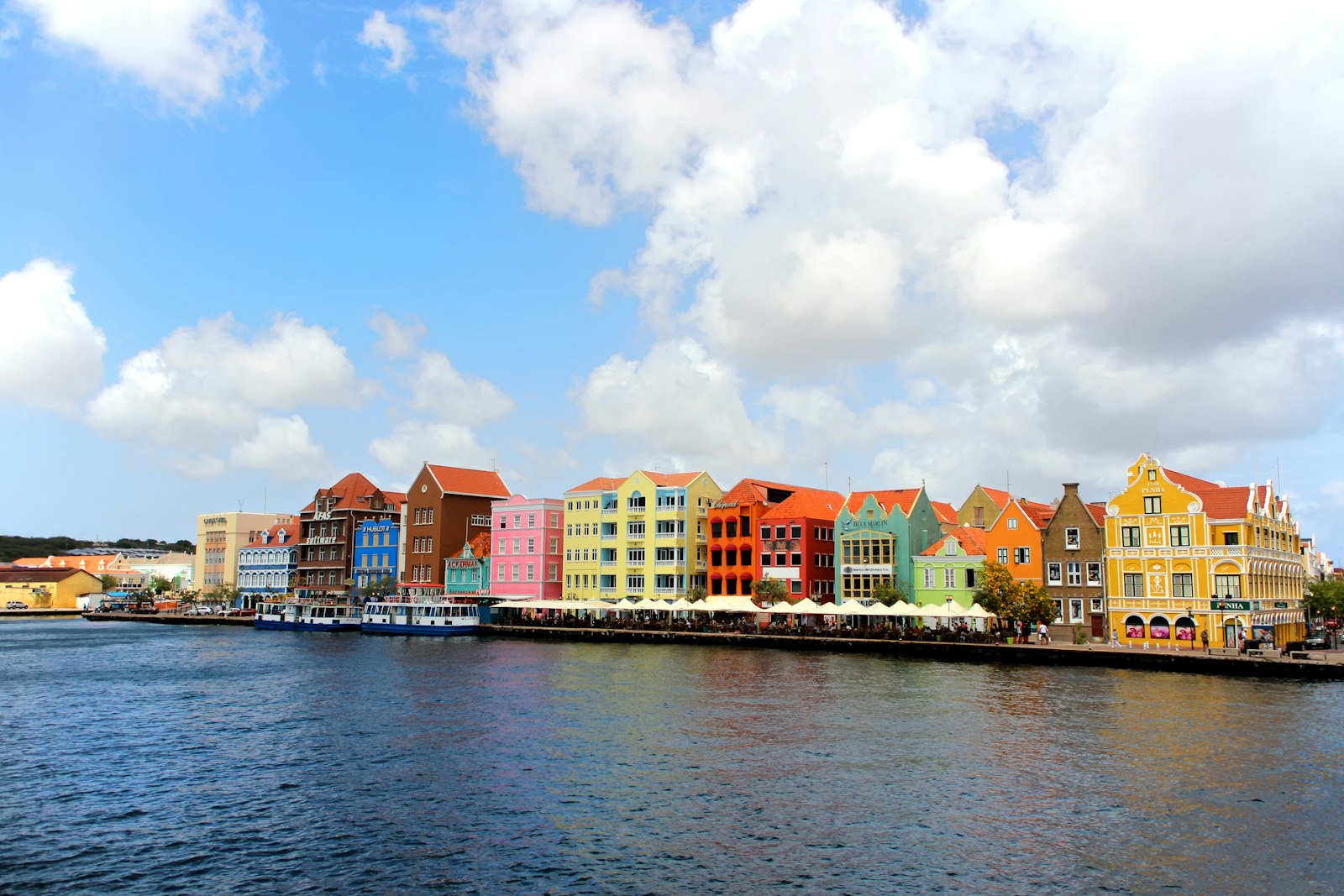
Curaçao: Relocating and Buying Property Guide
Relocation Guides
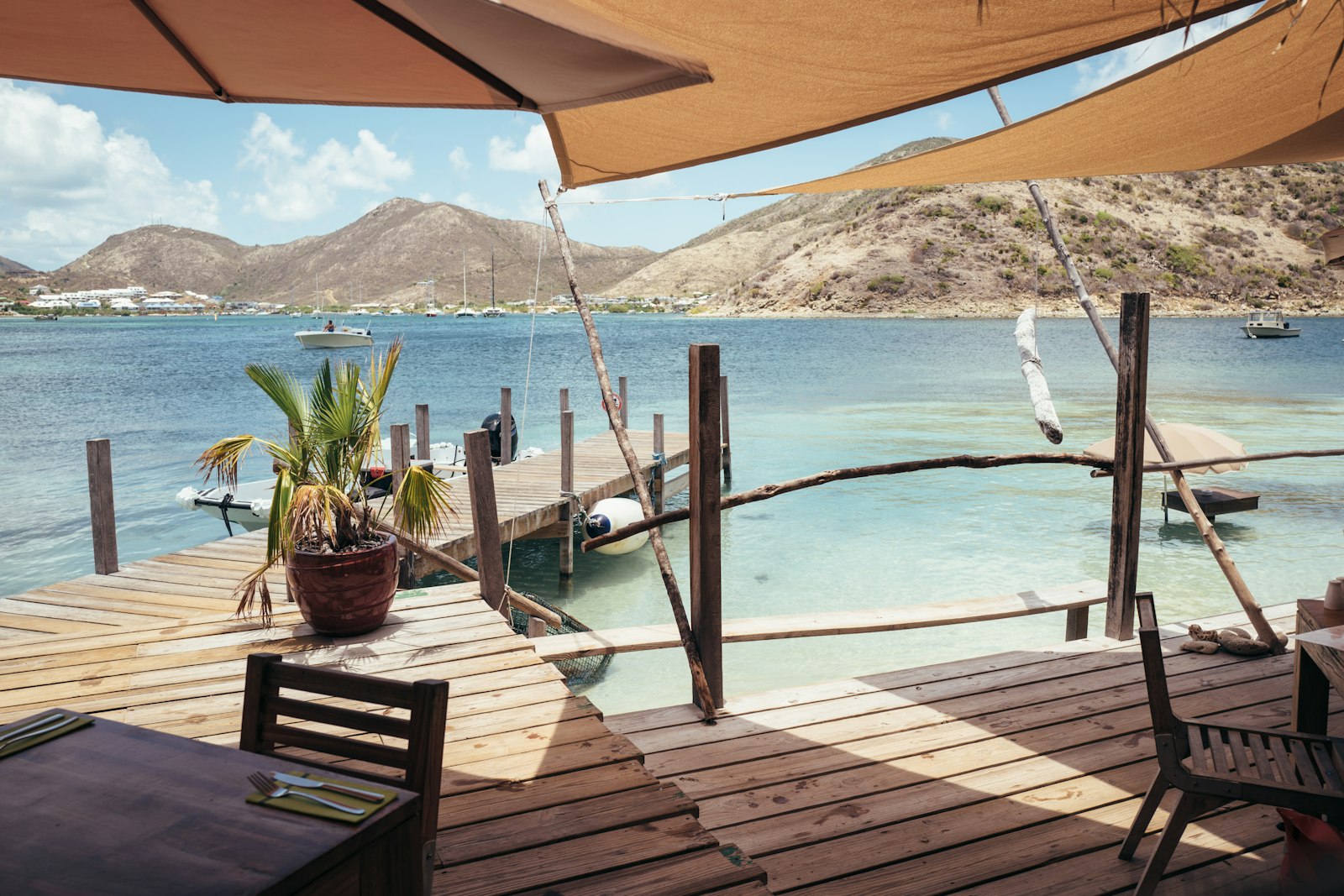
Saint-Martin: Relocating and Buying Property Guide
Relocation Guides
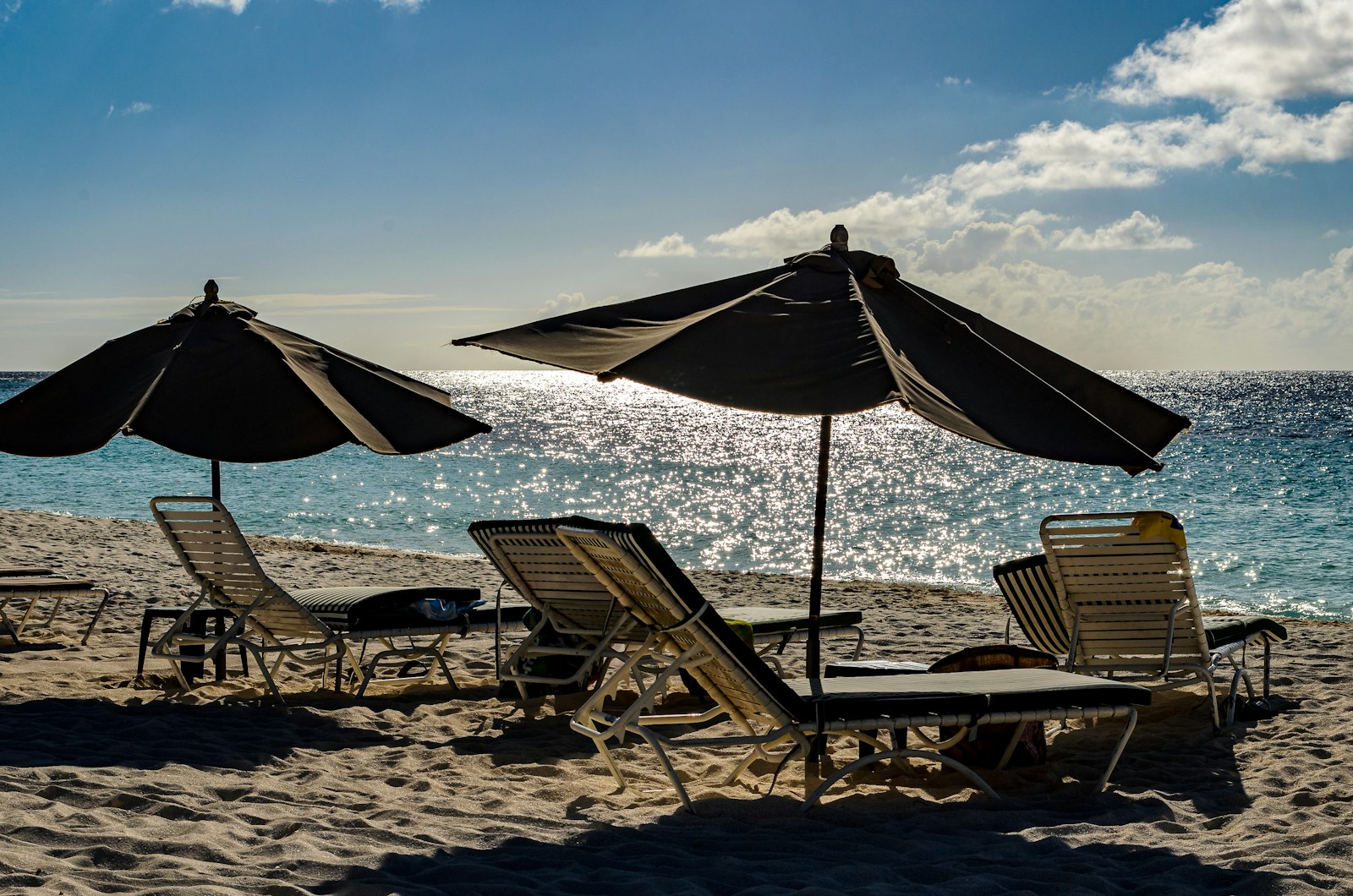
Anguilla: Relocating and Buying Property Guide
Relocation Guides
Trinidad and Tobago: Relocating and Buying Guide
Relocation Guides
Looking for Properties?
Browse homes that match your needs and budget with expert support and personalized advice to help you find your perfect Caribbean property. Get started within 5 days for quality advice to begin searching.