Curaçao:
Relocating and Buying Property Guide
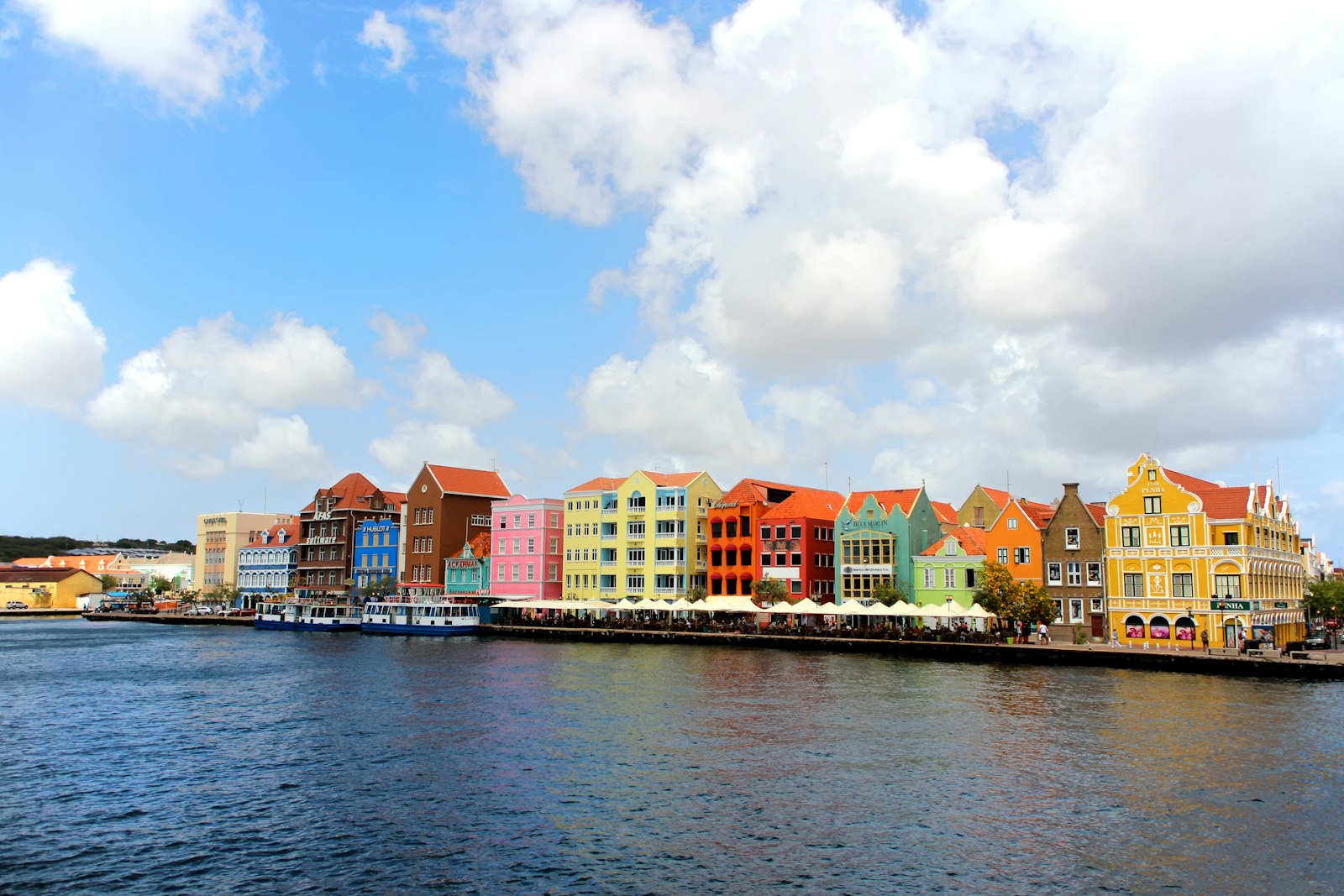
Curaçao: Relocating and Buying Property Guide
Foreigners buy freehold or leasehold property in Curaçao with no licence, paying a 4% transfer tax and notary fees, as at October 2026. An investor residence permit starts at XCG 500,000.
Key takeaways
Foreign buyers: There are no restrictions on foreign ownership, and no permit is needed to buy freehold (eigendom) or leasehold (erfpacht) property.
Buying cost: Transfer tax is 4%, paid by the buyer, with notary fees of 1% to 2%.
Investor permit: The Wealthy Investor 2014 permit starts at XCG 500,000 for three years. The official page speaks of a business investment, while advisers say property qualifies.
Policy change: Major immigration changes took effect on 1 April 2026, including conditions for permanent residence.
Weather: Curaçao is outside the hurricane belt, with a semi-arid climate.
Legal framework
Curaçao is an autonomous constituent country of the Kingdom of the Netherlands (since 10 October 2010), with its own parliament, prime minister and courts. Foreign policy and defence are Kingdom matters. Residents hold Dutch nationality, but Curaçao is outside the European Union and the Schengen Area. The currency is the Caribbean guilder, which replaced the Netherlands Antillean guilder on 31 March 2025 at 1.79 to the US dollar. In practice, a civil-law notary prepares the deed, the buyer pays a deposit of usually 10%, and the process takes six to twelve weeks according to one agency.
Key facts
Legal framework: Curaçao is an autonomous constituent country of the Kingdom of the Netherlands (since 10 October 2010), with its own parliament, prime minister and courts. Foreign policy and defence are Kingdom matters. Residents hold Dutch nationality, but Curaçao is outside the European Union and the Schengen Area. The currency is the Caribbean guilder, which replaced the Netherlands Antillean guilder on 31 March 2025 at 1.79 to the US dollar. (Verified)
Area and population: 444 km2; about 156,000 at the 2023 census (Verified)
Capital and heritage: Willemstad; its historic core is a UNESCO World Heritage Site (1997) (Corroborated)
Languages: Papiamentu, Dutch and English are official; Spanish is widely spoken (Corroborated)
Currency: Caribbean guilder (XCG), at 1.79 to the US dollar (Corroborated)
Foreign ownership: no restrictions; freehold (eigendom) or leasehold (erfpacht, 60 years with an annual canon) (Corroborated)
Transfer tax: 4% of the purchase price, paid by the buyer (Corroborated)
Annual property tax (OZB): about 0.3% or 0.4% to 0.6% of assessed value (Disputed)
Wealthy Investor 2014 permit: from XCG 500,000 for three years, XCG 750,000 for five, XCG 1.5 million indefinite (Verified)
Climate: semi-arid; outside the hurricane belt; highest point Christoffelberg at 372 m (Corroborated)
What Curaçao is
Curaçao is the largest of the ABC islands, 444 square kilometres, about 65 kilometres north of Venezuela. The 2023 census counted nearly 156,000 people. Willemstad is the capital, and its historic centre has been a UNESCO World Heritage Site since 1997. Since 10 October 2010 Curaçao has been an autonomous country in the Kingdom of the Netherlands. Papiamentu, Dutch and English are official languages, and Spanish is widely spoken. The currency is the Caribbean guilder, which replaced the Netherlands Antillean guilder on 31 March 2025 at 1.79 to the US dollar. The climate is semi-arid with sparse rain, and the island is outside the hurricane belt. The highest point is Christoffelberg, at 372 metres.
Can foreigners buy property in Curaçao?
Yes, without restriction. Both residents and non-residents can buy freehold (eigendom) or leasehold (erfpacht) property. Eigendom is full ownership of land and building, with only annual property tax due. Erfpacht means you own the building and lease the land from the government for 60 years, with an annual canon. A purchase agreement and a deposit of usually 10% come first, a civil-law notary prepares the deed of transfer, and one agency puts the process at six to twelve weeks. Several local banks lend to non-residents, typically asking 30% to 40% down.
What does buying cost?
Transfer tax is 4% of the price, paid by the buyer. Notary fees run at about 1% to 2%, and land registry fees are quoted at about US$450 by one agency and 0.5% to 1% by an older source. Annual property tax (OZB) is about 0.4% to 0.6% of assessed value, or 0.3% to 0.6% according to another agency. Private owners pay no capital gains tax on a home, according to several agencies. The cost article for Curaçao works through the figures.
Living there
Curaçao's Wealthy Investor 2014 permit, introduced on 6 September 2014, is for investors who want to stay more than six months a year: a business investment of at least XCG 500,000 gives a three-year permit, XCG 750,000 a five-year permit and XCG 1.5 million an indefinite one. The Library of Congress reports that major immigration changes took effect on 1 April 2026. The residency article for Curaçao explains what they mean for buyers.
Worked example: closing costs on a US$500,000 purchase
Transfer tax at 4% is US$20,000. Notary fees at 1% to 2% are US$5,000 to US$10,000, and land registry fees about US$450 according to one agency. The total is about US$25,450 to US$30,450, or 5.1% to 6.1%. This is our calculation from agency figures, not a published total.
Where sources disagree
Property tax rate: about 0.4% to 0.6% (most agencies) against 0.3% to 0.6% (one). Ask the notary or tax office for the rate on the property.
Land registry fees: about US$450 (a 2026 agency) against 0.5% to 1% of the price (an older agency).
Investor permit and property: the official page refers to a business investment of at least XCG 500,000. Advisers say a property purchase qualifies. Confirm with the Admission Office before relying on it.
Population: about 156,000 (2023 census) against 157,100 (a 2026 estimate).
Who this suits, and who it does not
Suits: Buyers who want a freehold or leasehold purchase with no licence, under Dutch-style law, in a semi-arid island outside the hurricane belt.
Does not suit: Buyers who want a guaranteed residency route from the purchase, or a tropical, high-rainfall setting.
Questions and answers
Can foreigners buy property in Curaçao?
Yes. There are no restrictions on foreign ownership, and no permit is needed to buy freehold or leasehold property.
How much is transfer tax in Curaçao?
Transfer tax is 4% of the purchase price, paid by the buyer, plus notary fees of about 1% to 2%.
What is erfpacht in Curaçao?
Erfpacht means you own the building and lease the land from the government for 60 years with an annual canon. Eigendom is full ownership.
What is the Curaçao investor permit?
The Wealthy Investor 2014 permit gives a three-year permit from XCG 500,000, a five-year permit from XCG 750,000 and an indefinite permit from XCG 1.5 million.
Is Curaçao in the hurricane belt?
No. Curaçao is outside the hurricane belt and has a semi-arid climate with sparse rain.
Related guides
More on Curaçao:
Similar guides for other islands:
St Maarten: Relocating and Buying Property Guide
About the data
Figures are the latest available as of October 2026. Next review due April 2027.
This guide draws on 9 sources: 4 agency, adviser or other published source, 3 official or institutional, 2 reference (Wikipedia).
0 figure(s) are marked Estimate and 1 Disputed; see Where sources disagree.
Fact statuses: Verified means stated by a primary or official source (Verified (see note) adds a caveat). Corroborated means several independent sources agree, but no primary source was found. Estimate means a single source, an agency figure or an asking price. Disputed means sources conflict. Calculated by Pan Caribbean means our own arithmetic from the figures shown.
Sources and checks
Immigration Department Curaçao: investor permit (official or institutional)
Library of Congress: Curaçao changes to immigration law (official or institutional)
UNHCR: about Curaçao (official or institutional)
Caribbean House Hunt: Curaçao buyer's guide (agency, adviser or other published source)
Second Home in Curaçao: tax implications (agency, adviser or other published source)
Global Citizen Solutions: living in Curaçao (agency, adviser or other published source)
Moret Real Estate: costs of buying a home in Curaçao (agency, adviser or other published source)
Britannica: Curaçao (reference (Wikipedia))
Wikipedia: Curaçao (reference (Wikipedia))
About Pan Caribbean
Pan Caribbean is a property listing portal and market data platform covering 23 markets across the Caribbean. Buyers, investors, agents and developers can search, compare and research property throughout the region, all in one place.
This guide gives general information, not legal, tax or financial advice. Pan Caribbean is not an estate agent or broker and does not act in any sale or purchase. Confirm the details with a licensed local adviser before acting.
Explore related blogs
View All
Aruba: Relocating and Buying Property Guide
Relocation Guides
Saint-Martin: Relocating and Buying Property Guide
Relocation Guides
Anguilla: Relocating and Buying Property Guide
Relocation Guides
Trinidad and Tobago: Relocating and Buying Guide
Relocation Guides
Looking for Properties?
Browse homes that match your needs and budget with expert support and personalized advice to help you find your perfect Caribbean property. Get started within 5 days for quality advice to begin searching.