Legal, Tax and Financing Basics for Buying in the US Virgin Islands
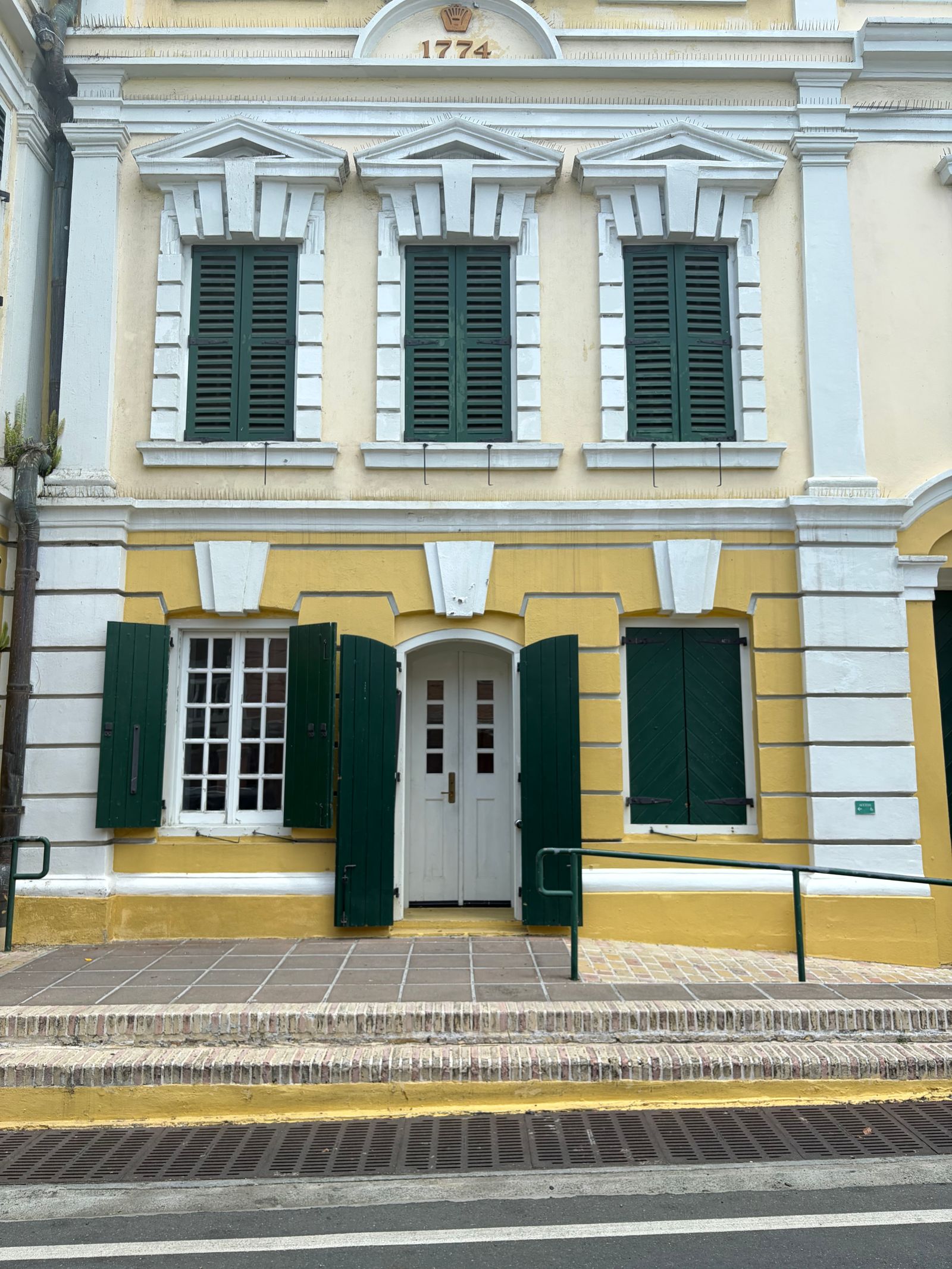
Legal, Tax and Financing Basics for Buying in the US Virgin Islands
The US Virgin Islands are US territory, so the legal framework feels familiar, but the closing costs, the tax detail and the paperwork timelines do not match the mainland. This guide separates what agencies agree on from what they do not.
Ownership and the legal process
Buyers take title fee simple, with the same constitutional protections as elsewhere in the United States, and the deed is recorded at the Recorder of Deeds. A local attorney handles title review, document preparation and closing, and closings typically take 30 to 45 days. Recording can take months, but possession passes at closing. Title history can be complicated on some properties, so a thorough review matters.
Stamp tax
The territory charges a graduated transfer tax, called stamp tax, on the higher of the purchase price or the assessed value, due at closing. Agencies quote it at 2% up to US$350,000, 2.5% from US$350,000 to US$1 million, 3% from US$1 million to US$5 million and 3.5% above that. It is usually paid by the seller unless negotiated, but guides differ on how the tiers work and who pays. One agent's example charges 2.5% on a US$500,000 sale as a whole, US$12,500, which suggests the rate applies to the full price. No government schedule turned up in this research, so confirm the tiers and the payer with the attorney and the Recorder of Deeds.
Title insurance and other costs
Title insurance costs roughly 0.6% to 0.8% of the price and is strongly recommended given the territory's history of complicated titles. Recording fees run roughly US$100 to US$300 in a 2026 guide, compared with about US$1 per US$1,000 in an older one. One local agency says closing costs run about 2% to 5% of the price with a mortgage and 1% to 3% for cash buyers, excluding transfer tax if the buyer pays it.
Property tax
This is the figure sources dispute most. Two agencies cite rates under Act 6991 of 0.377% of assessed value for residential property, 0.4946% for unimproved non-commercial land, 0.711% for commercial property and 1.407% for timeshares. A 2026 guide says 1.00% to 1.25% of assessed value, and an older guide describes 1.25% of 60% of assessed value. An earlier article in this series used the Act 6991 residential rate of 0.377%, applied to an assessed value of 60% of market value. The difference is large, so ask the Office of the Tax Assessor for the rate and assessed value for the specific property.
Financing
Fewer lenders operate in the territory than on the mainland. Two local mortgage companies are named by one guide as specialists, and the Virgin Islands Housing Finance Authority offers programmes for eligible families. Banks require the buyer to pay for title search, appraisal, surveys and inspections, and one older guide says rates run a point or two above stateside. Hurricane and windstorm cover must be in place before closing if there is a loan.
Income tax
US citizens with USVI-source income, including rental income, file a duplicate return with the Virgin Islands Bureau of Internal Revenue, under the mirror tax code covered earlier in this series.
Explore related blogs
View All
Renting Out Your Turks and Caicos Property: Licences, the 12% Tax and Tighter Enforcement
Investment Strategies
Renting Out Your Bahamas Property: Registration, VAT and the New Property Tax Class
Investment Strategies

Best Areas to Buy in St Vincent and the Grenadines: Villa, Bequia, Union Island and Beyond
Investment Strategies
Looking for Properties?
Browse homes that match your needs and budget with expert support and personalized advice to help you find your perfect Caribbean property. Get started within 5 days for quality advice to begin searching.