Can Foreigners Buy in the British Virgin Islands?
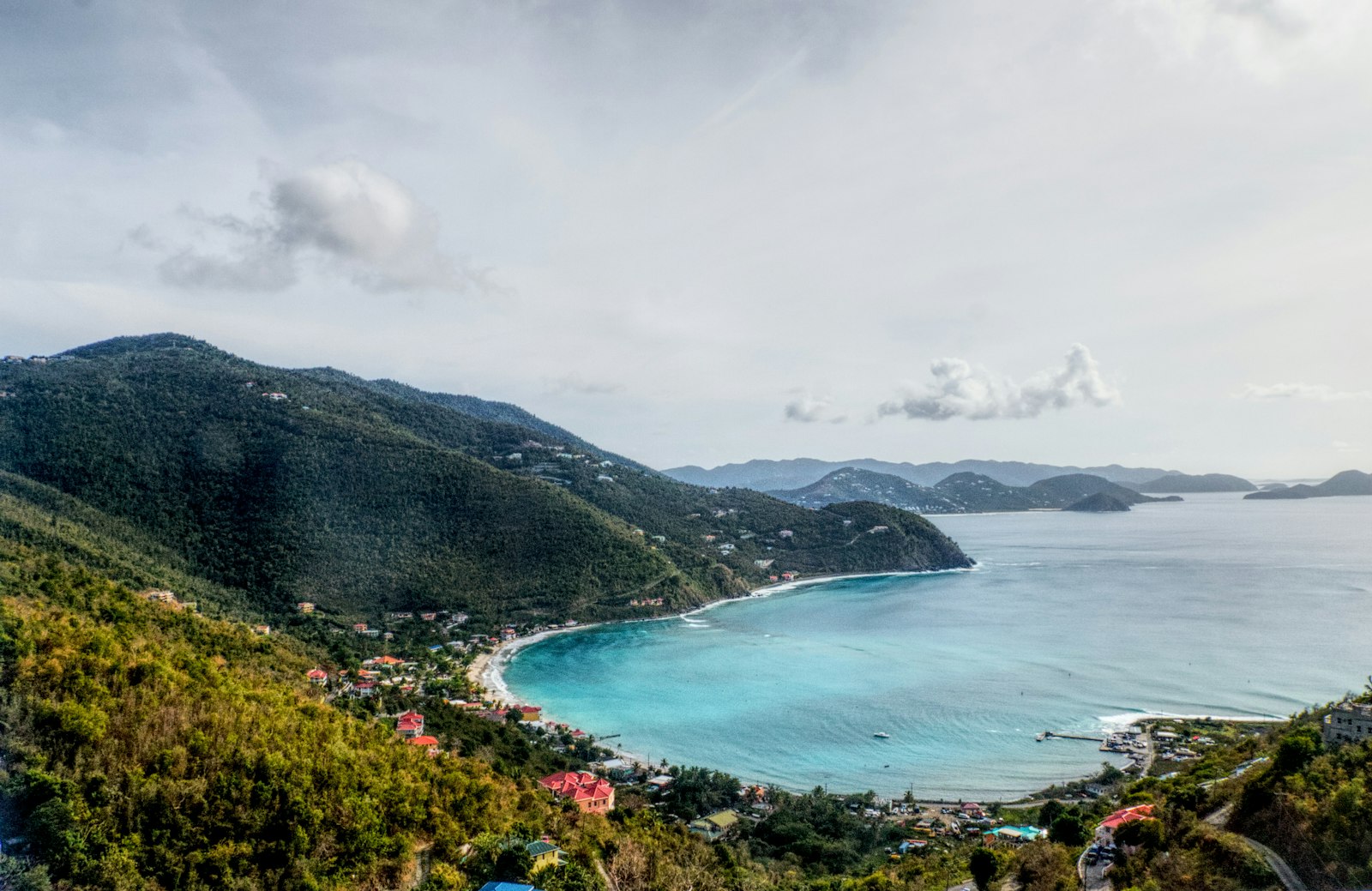
Can Foreigners Buy in the British Virgin Islands?
Yes, foreigners can buy property in the British Virgin Islands, but only with a Non-Belongers Land Holding Licence approved by Cabinet. The British Overseas Territory also charges non-Belongers 12% stamp duty, against 4% for Belongers, as at November 2026. British passport holders count as non-Belongers too.
Key takeaways
Licence: every buyer without Belonger status, including a British citizen, needs a Non-Belongers Land Holding Licence for each property.
Stamp duty: non-Belongers pay 12% of the price or market value, whichever is higher, three times the Belonger rate.
Conditions: the licence can require the land to be built on within a set period, reported as 5 years since 2024.
Annual taxes: land tax starts at US$50 a year and house tax is 1.5% of the assessed annual rental value.
Our estimate: buyer costs on a US$500,000 purchase come to about US$68,000 to US$70,500, or about 14%.
Legal framework
The British Virgin Islands are a British Overseas Territory and make their own land and tax law. For a buyer, the law that matters is the Non-Belongers Land Holding Regulation Act: a non-Belonger cannot hold land without a licence, so the sale agreement is normally made conditional on the licence being granted.
Key facts
Legal framework: a British Overseas Territory with its own land and tax law (Verified)
Licence: a Non-Belongers Land Holding Licence, approved by Cabinet, for each property and each buyer (Verified)
Who needs it: anyone without Belonger status, including British citizens, and companies with a non-Belonger director or more than a third non-Belonger shareholding (Corroborated)
Application fee: US$500 for an individual and US$1,500 for a company in a 2024 law-firm note, against US$200 and US$500 on an agency site (Disputed)
Building condition: 5 years plus a possible 2-year extension in the 2024 note, against about 3 years on the agency site (Disputed)
Stamp duty, non-Belongers: 12% of the price or market value, whichever is higher (Corroborated)
Stamp duty, Belongers: 4% (Corroborated)
Land tax, non-Belongers: US$50 a year up to half an acre, US$150 up to one acre, plus US$50 per further acre (Corroborated)
House tax: 1.5% of the assessed annual rental value (Corroborated)
Legal fees: about 1.5% to 2% of the price (Estimate)
Residence: buying gives no right to live there; a residence by investment programme was announced in 2025 but not launched (Verified (see note)). Note: the launch status rests on a March 2026 trade report.
Who needs the Non-Belongers Land Holding Licence?
In the British Virgin Islands in 2026, the dividing line is Belonger status, not nationality. A Belonger is someone with a legal connection to the territory, so American, Canadian, European and British buyers are all non-Belongers, and no difference between them was found. A company counts as a non-Belonger if it is incorporated outside the BVI, or if it is a BVI company with any non-Belonger director or with more than a third of its shares held by non-Belongers, according to Carey Olsen. The licence covers one property and one owner. Cabinet approves licences, often several at one meeting: three were approved on 22 July 2026, and the Premier told the House of Assembly that 67 were issued in 2023 and 81 in 2024. A non-Belonger who receives land by gift or inheritance also needs a licence.
How the licence works
A buyer usually signs a sale agreement with a 10% deposit, conditional on the licence. The application goes to the Ministry of Environment, Natural Resources and Climate Change, with references, a police certificate, bank statements, a valuation and a survey plan, according to the agency BVI Sotheby's. Harneys says the licence takes about 3 to 5 months and agreements often allow 12 months to complete. No official processing time was found. A licence for land usually requires building within a set period: a 2024 law-firm note on Policy No. 1 of 2023 gives 5 years with a possible 2-year extension, while the agency site still gives about 3 years. The 2027 Budget Address, in October 2026, promised computerised processing and clearer procedures from early 2027, after consultation.
What stamp duty and annual taxes cost
Stamp duty is the largest cost. Harneys, Carey Olsen and Deloitte agree that a non-Belonger pays 12% of the price or the market value, whichever is higher, against 4% for a Belonger; a recent valuation is needed for this. The official stamp duty guide could not be read, so the rate is shown as Corroborated. Buying the shares of a company that owns BVI land pays duty at the same rates, so a company structure does not avoid it. A 12% rate is higher than the 10% top rate in the Turks and Caicos Islands, which need no licence at all. Each year a non-Belonger pays land tax of US$50 for up to half an acre, US$150 for up to one acre and US$50 for each further acre, plus house tax at 1.5% of the assessed annual rental value. There is no capital gains, inheritance or gift tax.
Worked example: buyer costs on a US$500,000 purchase in the British Virgin Islands
This assumes the valuation is not higher than the price and the buyer is an individual.
Stamp duty at 12%: US$60,000.
Licence application fee: US$500 (the 2024 figure; US$200 on the agency site).
Legal fees at 1.5% to 2%: US$7,500 to US$10,000.
Total: US$60,000 + US$500 + US$7,500 = US$68,000, up to US$60,000 + US$500 + US$10,000 = US$70,500, or about 13.6% to 14.1% of the price.
A licence grant fee and survey and valuation fees come on top. Who bears the stamp duty is set in the sale agreement. This is our calculation from the figures above, not a published total.
Does buying property give residence?
No. Owning a home in the British Virgin Islands gives no right to live or work there. The 2025 Speech from the Throne announced a residence by investment programme, but IMI Daily reported in March 2026 that it had not launched, with no threshold set. Belonger status itself comes after long residence: the government's service page gives 20 consecutive years among its routes, with property owners asked to supply their licences and transfers. Ask an immigration attorney before planning a move.
Where sources disagree
Licence application fee: O'Neal Webster (February 2024) says US$500 for an individual and US$1,500 for a company; BVI Sotheby's (undated) says US$200 and US$500. Ask a BVI attorney for the current fee.
Building condition: O'Neal Webster says 5 years with a possible 2-year extension and a minimum of US$350,000; BVI Sotheby's says about 3 years and more than US$250,000. Ask the attorney which conditions the licence will carry.
Who this suits, and who it does not
The British Virgin Islands suit a buyer who plans to own for the long term, accepts a cost of about 14% on the way in and can wait several months for a licence. Annual taxes are low and there is no capital gains tax.
They suit less well a buyer of bare land who has no plan to build soon, because the licence can require building within a set period. They also suit less well anyone who needs a fixed completion date, as no official processing time is published.
Questions and answers
Can foreigners buy property in the British Virgin Islands?
Yes, with a Non-Belongers Land Holding Licence approved by Cabinet for each property. The sale is usually conditional on the licence.
Do British citizens need a licence to buy in the British Virgin Islands?
Yes. The test is Belonger status, not a British passport, so British, American and Canadian buyers all need the licence.
How much is stamp duty in the British Virgin Islands for foreigners?
12% of the price or market value, whichever is higher, against 4% for Belongers. The same rates apply to shares in a company that owns BVI land.
Does owning property in the BVI give residency?
No. A residence by investment programme was announced in 2025 but had not launched by March 2026.
Related guides
More on British Virgin Islands
BVI Residency and Belonger Status: What Property Buyers Should Understand
A Practical Guide to Relocating to the British Virgin Islands
Best Areas to Buy in the BVI: Tortola, Virgin Gorda and the Smaller Islands
Similar guides for other islands
About the data
Figures are the latest available as of November 2026. Next review due February 2027.
This guide draws on 12 sources: 5 official or institutional, 3 law firm, 1 adviser, 1 agency and 2 news.
1 figure is marked Estimate and 2 Disputed; see Where sources disagree.
No prices are quoted. The worked example uses an illustrative price.
The Non-Belongers Land Holding Regulation Act could not be read (only a scanned copy was found), and the government's licence and stamp duty pages returned errors. The licence requirement is confirmed by Cabinet's published decisions; the 12% rate rests on two law firms and Deloitte.
Fact statuses: Verified means stated by a primary or official source (Verified (see note) adds a caveat). Corroborated means several independent sources agree, but no primary source was found. Estimate means a single source, an agency figure or an asking price. Disputed means sources conflict. Calculated by Pan Caribbean means our own arithmetic from the figures shown.
Sources and checks
Researched November 2026. Next review due February 2027.
Government of the Virgin Islands: Cabinet decisions, meeting of 22 July 2026 (official or institutional)
Government of the Virgin Islands: Cabinet decisions, 3, 10 and 17 December 2025 (official or institutional)
Government of the Virgin Islands: 2027 Budget Address, 27 October 2026 (official or institutional)
Government of the Virgin Islands: 2025 Speech from the Throne, 8 January 2025 (official or institutional)
Government of the Virgin Islands: apply for Belonger status (official or institutional)
Harneys: guide to purchasing property in the British Virgin Islands, December 2024 (law firm)
Carey Olsen: British Virgin Islands private client guide 2026 (law firm)
O'Neal Webster on Legal 500: new rules for BVI non-Belonger landholders, 1 February 2024 (law firm)
BVI Sotheby's International Realty: purchasing property in the BVI (agency)
Virgin Islands News Online: licences issued in 2023 and 2024, 17 February 2025 (news)
IMI Daily: BVI Premier reaffirms residence by investment plans, 19 March 2026 (news)
About Pan Caribbean
Pan Caribbean is a Caribbean property marketplace covering 23 markets: 11 independent nations and 12 overseas territories. It gives buyers clear, sourced information on each market, including prices, residency, buying costs and daily life, and offers information and consultancy services on the market to developers and investors.
This guide gives general information, not legal, tax or financial advice. Pan Caribbean is not an estate agent or broker and does not act in any sale or purchase. Confirm the details with an independent licensed professional before acting.
Explore related blogs
View All
Can Foreigners Buy in The Bahamas?
Buying Process: Legal, Tax & Financing
Can Foreigners Buy in the Turks and Caicos Islands?
Buying Process: Legal, Tax & Financing
Can Foreigners Buy in Antigua and Barbuda?
Buying Process: Legal, Tax & Financing
Can Foreigners Buy in Dominica?
Buying Process: Legal, Tax & Financing
Looking for Properties?
Browse homes that match your needs and budget with expert support and personalized advice to help you find your perfect Caribbean property. Get started within 5 days for quality advice to begin searching.