Can Foreigners Buy in Martinique?

Can Foreigners Buy in Martinique?
Yes, foreigners can buy property in Martinique, a French overseas department, with no licence or nationality condition, as at November 2026. Transfer duty is about 6.32% of the price on an existing home, or about 5.81% for a first-time buyer. The coastal strip known as the cinquante pas géométriques belongs to the State, so beachfront titles need checking.
Key takeaways
Who can buy: French law has no general rule stopping a foreign national, resident or not, from buying property.
Transfer duty: Martinique raised its departmental rate to 5.00% under the 2025 option, about 6.32% in total.
First-time buyers: a first home used as the main residence stays at the 4.50% departmental rate, about 5.81% in total.
The coast: land in the cinquante pas géométriques is State property unless a private title can be shown.
Selling later: a non-resident pays 19% tax on the gain plus social levies, with full exemption after 30 years.
Legal framework
Martinique is an overseas department and region of France. French property, tax and notarial law applies, the currency is the euro, and every sale goes through a French notary. The rules for foreign buyers are therefore national French rules, with a few local differences: the departmental transfer duty rate, the notary fee uplift, and the State-owned coastal strip.
Key facts
Legal framework: a French overseas department and region; French law applies and the currency is the euro (Verified)
Foreign buyers: no general nationality or residence condition on buying property (Verified)
Departmental transfer duty: 5.00% since the 2025 option; 4.50% for a qualifying first-time buyer (Verified)
Other duty: communal tax 1.20% plus a State fee of 2.37% of the departmental duty (Verified)
Total transfer duty: about 6.32%, or about 5.81% for a qualifying first-time buyer (Calculated by Pan Caribbean)
Notary scale fee: 3.870% to EUR 6,500, then 1.596%, 1.064%, and 0.799% above EUR 60,000, before VAT (Verified)
Coastal strip: the cinquante pas géométriques is part of the State's maritime public domain (Verified)
Private land on the coast: only where the owner can show title; State land there can be sold to occupants (Verified)
VAT: the normal rate in Martinique is 8.5% (Verified)
Annual property tax: taxe foncière, paid by the owner at 1 January on half the cadastral rental value (Verified)
Second homes: council tax is due; a surcharge applies in 2 of the 21 communes allowed to levy it (Verified (see note)). Note: the official table does not name the two communes.
Capital gains for non-residents: 19% plus 17.2% social levies, or 7.5% for those insured in the EU, EEA, Switzerland or the UK (Verified)
Can a foreigner buy property in Martinique?
Yes. In August 2025 the French Ministry of Justice told the Senate that no law generally forbids selling property to a foreign national, and that the buyer's residence status makes no difference. That is national law, and it applies in Martinique as a French department. No licence or permit is needed to buy, unlike in many of the English-speaking islands. The checks fall on the money instead: the notaries' national body says the notary must verify where the funds come from, and the Banque de France counts property as direct investment, though its declaration only starts at EUR 15 million. Buying a home gives no right to live in Martinique; our residency guide covers visas and long stays.
The cinquante pas géométriques: why the coast is different
Much of Martinique's shoreline sits inside the zone des cinquante pas géométriques, a strip that the property code makes part of the State's maritime public domain. Private ownership inside it survives only where the owner can show a valid title, including rights that existed on 5 January 1986. Many houses in the zone were built by occupants without title, and the State can sell them the land after a prefectoral order. A 2022 decree extended this regularisation to occupation up to 2010 and allowed price reductions based on income and length of stay, according to Banque des Territoires. A public agency handles the zone and can operate until 1 January 2031 at the latest under the current law. A buyer of a seafront plot should ask the notary to confirm that the land is outside the zone or held under a valid private title.
What transfer duty costs in 2026
Transfer duty, the largest part of the "notary fees", has three layers. The official tax office table for June 2026 gives Martinique a departmental rate of 5.00%. That is the higher rate departments were allowed to choose for deeds signed from 1 April 2025 to 31 March 2028. Guadeloupe did not take it and stays at 4.50%. A first-time buyer of a main residence is spared the increase and pays 4.50%. On top come a communal tax of 1.20% and a State collection fee of 2.37% of the departmental duty. That makes about 6.32% for most buyers and about 5.81% for a qualifying first-time buyer. A foreign buyer of a holiday home pays the standard rate. On a new home sold with VAT within five years of completion, the notaries' body gives a reduced registration duty of 0.715%, and VAT is part of the price instead.
Notary fees and other buying costs
The notary's own fee follows a national scale: 3.870% of the price up to EUR 6,500, 1.596% to EUR 17,000, 1.064% to EUR 60,000 and 0.799% above, plus VAT. Notary fees in Martinique also carry an overseas uplift, which legal press put at 24% in 2024; the current figure could not be confirmed. A security contribution of 0.10% goes to the land registry. Each year the owner on 1 January pays taxe foncière, based on half the cadastral rental value. A furnished second home also pays council tax. The official 2026 table shows 2 of the 21 Martinique communes allowed to add a second-home surcharge doing so, at an average of 41.5%.
Worked example: buying an existing home for EUR 300,000
These assume a non-resident buying a holiday home, so the standard 5.00% departmental rate applies.
Departmental duty: 5.00% of EUR 300,000 = EUR 15,000.
Communal tax: 1.20% = EUR 3,600.
State fee: 2.37% of EUR 15,000 = EUR 355.50.
Security contribution: 0.10% = EUR 300.
Notary scale fee: EUR 251.55 + EUR 167.58 + EUR 457.52 + EUR 1,917.60 = EUR 2,794.25 before VAT and the overseas uplift.
Total: about EUR 22,050, or 7.35% of the price, before VAT on the notary's fee, the uplift and disbursements.
A qualifying first-time buyer of a main residence would pay EUR 13,500 departmental duty and EUR 319.95 State fee, bringing the total to about EUR 20,514, or 6.84%. This is our calculation from the official rates, not a published total.
Selling later as a non-resident
A non-resident who sells pays 19% income tax on the gain plus social levies, according to the tax office. The levies are 17.2%, or 7.5% for people insured in the EU, EEA, Switzerland or the UK. The gain becomes free of income tax after 22 years of ownership and free of the levies after 30. A seller living outside the EU, Iceland and Norway needs a tax representative unless the price is EUR 150,000 or less per seller or the gain is exempt. Owners who let short term should note that registration of furnished holiday lets is due to become compulsory in every French commune once a national online service opens, planned for late 2026, with the number shown on every listing.
Where sources disagree
Transfer duty "5.81% or 5.00%": our cost guide for Martinique shows these as conflicting. The official June 2026 table explains both: 5.00% is the departmental rate for most buyers, and about 5.81% is the total for a first-time buyer at 4.50%. The total for other buyers is about 6.32%. Ask the notary which rate applies to the deed.
The overseas uplift on notary fees: legal press gives 24% for Martinique from 2024; an older text gave 25%. The current article could not be read. Ask the notary for the figure on the estimate.
The width of the coastal strip: figures of 81.20 m circulate, but the property code states that width only for French Guiana and, where not delimited, Mayotte; in Martinique the strip is set by delimitation. Ask the notary for the plot's position on the official map.
Who this suits, and who it does not
Martinique suits a buyer who wants a purchase with no licence, a notary-led process under French law, and euro pricing. Transfer duty and fees come to about 7% to 7.5% on an existing home.
It suits less well a buyer looking at the waterfront who is not ready for a title check against the State's coastal strip. Those who want a residence right from the purchase are also poorly served, because buying gives none.
Questions and answers
Can foreigners buy property in Martinique?
Yes. French law has no general nationality or residence condition, and no licence is needed. A notary handles every sale and checks where the money comes from.
What is the transfer duty in Martinique in 2026?
The departmental rate is 5.00%, or 4.50% for a first-time buyer of a main residence. With the communal tax and State fee, the totals are about 6.32% and 5.81%.
What are the cinquante pas géométriques?
A coastal strip that belongs to the State's maritime public domain. Private land there is valid only with a proven title, and the State can sell land to occupants.
Does buying property in Martinique give residency?
No. Buying a home gives no right of residence; non-EU buyers follow French visa and residence rules.
Related guides
More on Martinique
Residency in Martinique: Which Rules Apply to You and What Happens After You Arrive
What Buying and Living in Martinique Costs: Notary Fees and the 'Vie Chère' Gap
Best Areas to Buy in Martinique: Les Trois-Îlets, Sainte-Anne, Le Diamant and the Atlantic Coast
Similar guides for other islands
About the data
Figures are the latest available as of November 2026. Next review due February 2027.
This guide draws on 18 sources: 16 official or institutional (including the national notaries' body and the public bank Banque des Territoires), 1 legal press and 1 legal publisher.
0 figures are marked Estimate and 0 Disputed in Key facts; see Where sources disagree for three points where sources differ.
No prices are quoted. The worked example uses an illustrative price.
Some code articles were read through Légifrance search results, because the full pages refused automated reading. The current text of the notary uplift article could not be read.
Fact statuses: Verified means stated by a primary or official source (Verified (see note) adds a caveat). Corroborated means several independent sources agree, but no primary source was found. Estimate means a single source, an agency figure or an asking price. Disputed means sources conflict. Calculated by Pan Caribbean means our own arithmetic from the figures shown.
Sources and checks
Researched November 2026. Next review due February 2027.
French Senate: Ministry of Justice answer to written question 03618 on property sales to foreign nationals, 21 August 2025 (official or institutional)
Notaires de France: buying in France as a non-resident, 18 September 2023 (official or institutional)
Banque de France: direct investment declaration form (official or institutional)
Légifrance: Code général de la propriété des personnes publiques, articles L5111-1 to L5111-4 and R5111-1 to R5111-2 (official or institutional)
Banque des Territoires: decree reshapes the cinquante pas géométriques regime in the Antilles, July 2022 (official or institutional)
DGFiP: departmental transfer duty rates applicable at 1 June 2026 (official or institutional)
Collectivités locales: transfer duties (official or institutional)
BOFiP: optional increase in the departmental transfer duty rate, 17 June 2026 (official or institutional)
Notaires de France: transfer duties and the costs of a sale, 5 December 2025 (official or institutional)
Notaires de France: buying with reduced notary fees (official or institutional)
impots.gouv.fr: VAT rates in the overseas departments, 13 October 2026 (official or institutional)
Service-Public: taxe foncière, checked 25 September 2026 (official or institutional)
Service-Public: council tax on second homes, checked 24 August 2026 (official or institutional)
DGFiP: 2026 council decisions on the second-home surcharge, July 2026 (official or institutional)
impots.gouv.fr: tax on a property sale by a non-resident, 27 January 2026 (official or institutional)
Service-Public: registration of furnished holiday lets, 27 July 2026 (official or institutional)
WebLex: notary tariffs for property sales, 20 February 2026 (adviser)
About Pan Caribbean
Pan Caribbean is a Caribbean property marketplace covering 23 markets: 11 independent nations and 12 overseas territories. It gives buyers clear, sourced information on each market, including prices, residency, buying costs and daily life, and offers information and consultancy services on the market to developers and investors.
This guide gives general information, not legal, tax or financial advice. Pan Caribbean is not an estate agent or broker and does not act in any sale or purchase. Confirm the details with an independent licensed professional before acting.
Explore related blogs
View All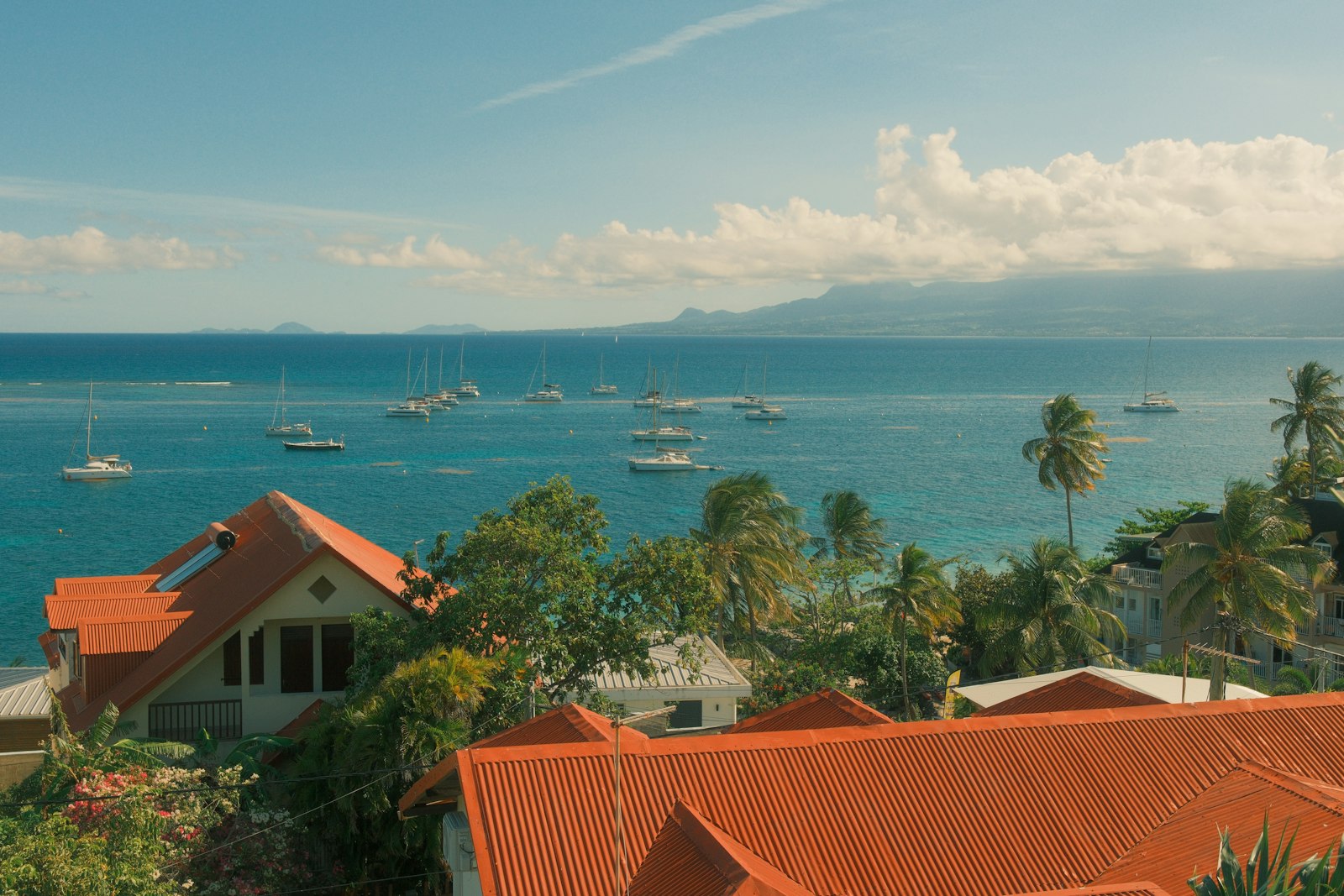
Can Foreigners Buy in Guadeloupe?
Buying Process: Legal, Tax & Financing
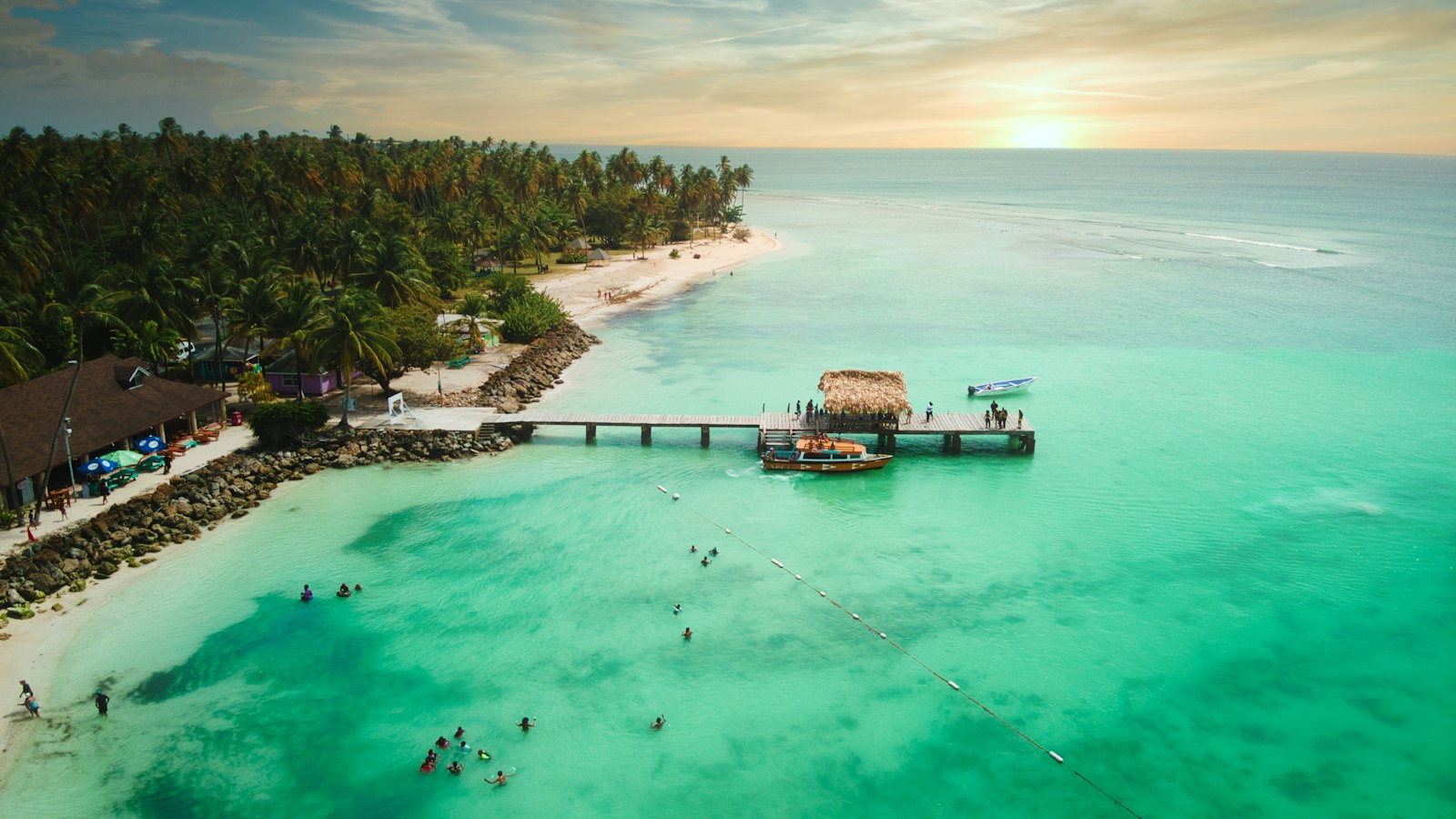
Can Foreigners Buy in Trinidad and Tobago?
Buying Process: Legal, Tax & Financing
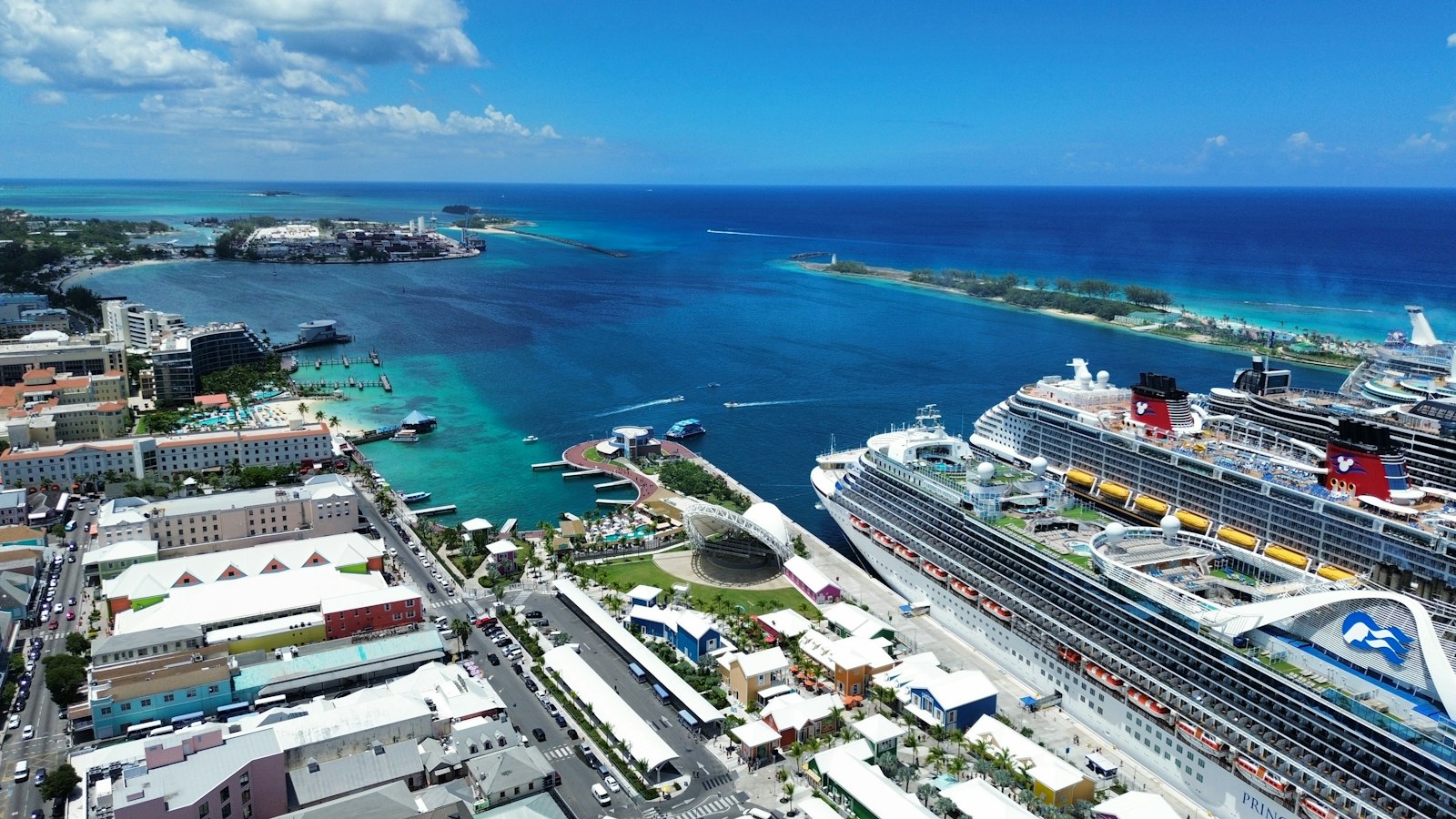
Can Foreigners Buy in The Bahamas?
Buying Process: Legal, Tax & Financing
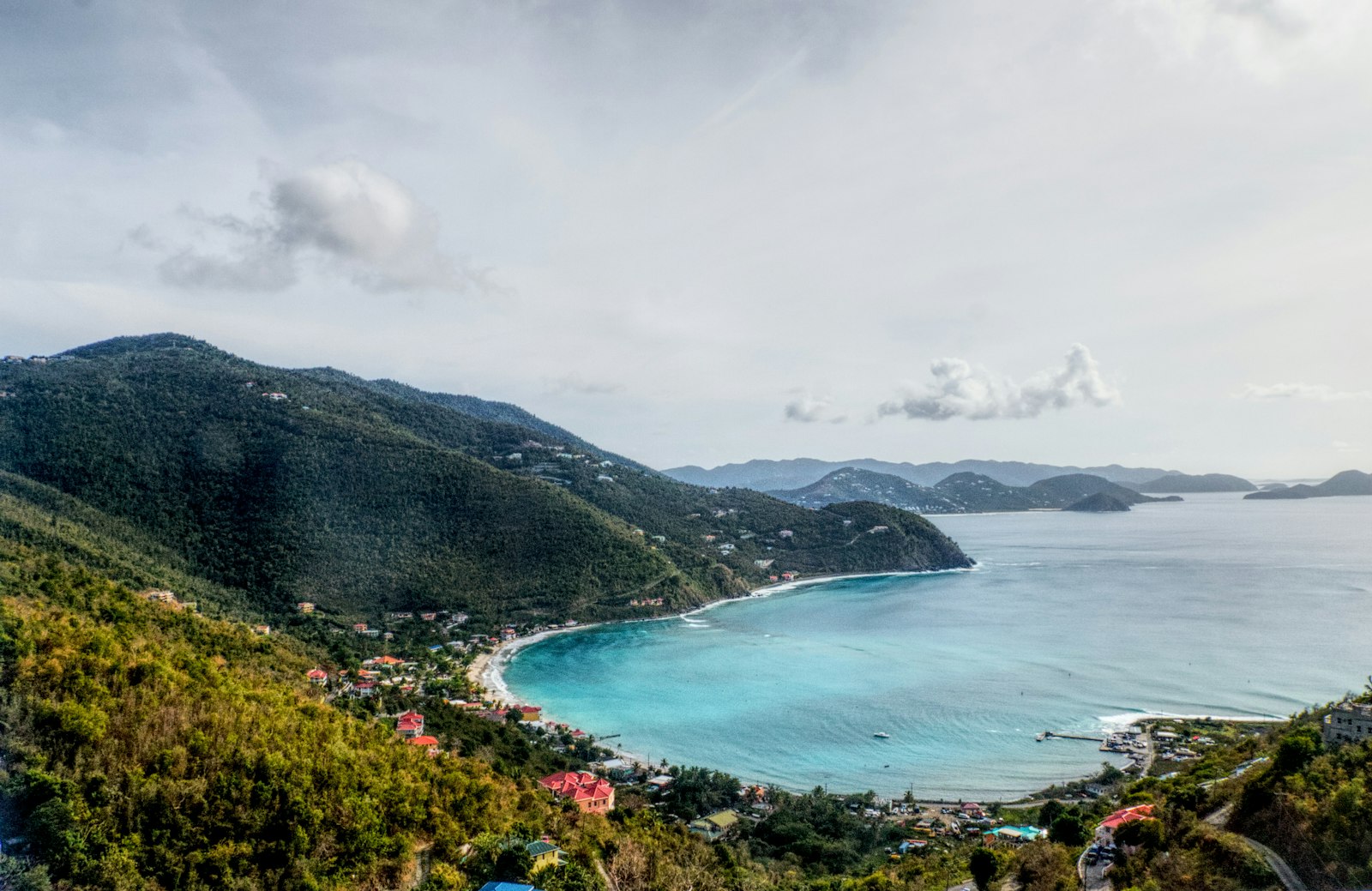
Can Foreigners Buy in the British Virgin Islands?
Buying Process: Legal, Tax & Financing
Looking for Properties?
Browse homes that match your needs and budget with expert support and personalized advice to help you find your perfect Caribbean property. Get started within 5 days for quality advice to begin searching.