What Buying and Living in the Bahamas Actually Costs After the July 2026 Tax Change
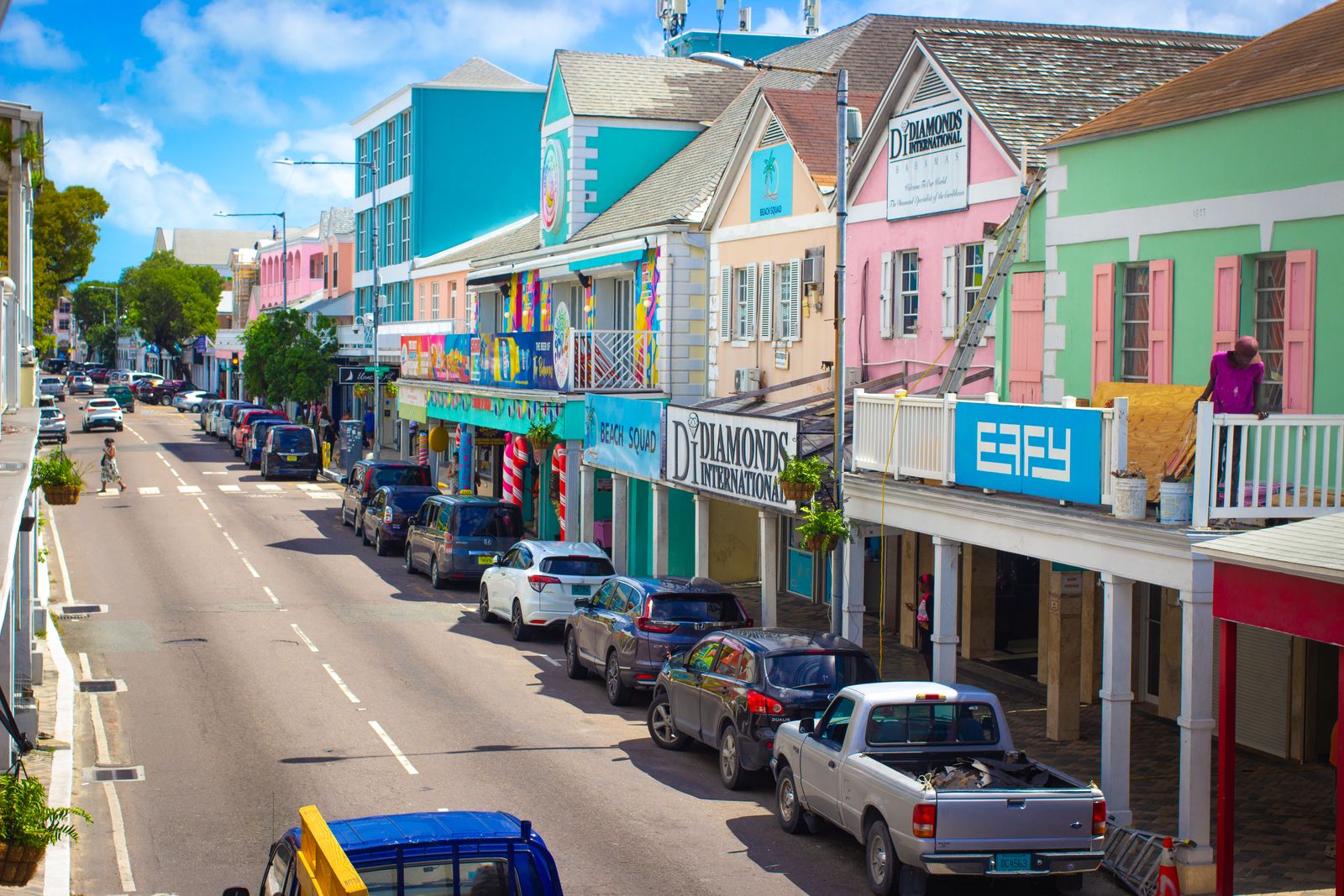
What Buying and Living in the Bahamas Actually Costs After the July 2026 Tax Change
The Bahamas has no income tax, no capital gains tax and no inheritance tax, so the costs that matter are VAT on the transfer, the legal bill, a property tax that changed in July 2026, and an electricity bill that surprises people.
VAT on the transfer
Foreign buyers pay a flat 10% VAT on the conveyance, which is customarily split equally with the seller, leaving the buyer with 5% unless the contract says otherwise. That was covered earlier in this series, and a Nassau broker calls it the largest single closing cost.
Legal and other buying costs
A Nassau brokerage puts legal fees at about 2.5% to 3.5% plus 10% VAT on the fees, with 3.5% or more for unregistered land, title insurance at 0.5% to 1%, and a Bahamas Investments Authority registration fee of about US$250. It estimates total buyer-side closing costs at roughly 8% to 11% of the price, and 7% to 12% in another of its tools. That is one brokerage's view, so request a written estimate.
The new property tax
The Real Property Tax (Amendment) Act, 2026 creates a class of foreign owner-occupied property. The bill text on the government's legislation site states that it comes into force on 1 July 2026 and sets an annual cap of US$200,000 for that class. Bahamians and permanent residents with the right to work keep the owner-occupied scale: the first US$300,000 exempt, 0.625% on the next US$200,000 and 1% above, capped at US$150,000. Foreign-owned rental and commercial property pays 0.75% up to US$500,000, 1% on the next US$1.5 million and 1.5% above.
The rate for foreign owner-occupiers is reported differently. Early reports describe a flat 0.625% with no exemption, while a site that says it checked the Act itself describes 0.625% on the first US$1 million and 1% above. One article notes the Department of Inland Revenue had not yet published the final Act or updated its rate guide as of September. Ask the Department which class and rate your bill uses.
Electricity and rent
Electricity is the line that surprises. Sources quote about US$0.33 to US$0.44 per kWh all-in, and basic utilities for an apartment at US$316 to US$398 a month. A 2026 article says the utility's published fuel-charge table appears to stop in February 2026, so the current rate is uncertain.
Rents have no official index. A Nassau one-bedroom is quoted at US$1,490 in the centre by one site, US$1,366 by another and US$1,500 to US$2,500 by a third. One article points out that a leading aggregator's centre-and-outside figures are the wrong way round, a sign of a thin sample.
Groceries and health
Almost everything is imported, so groceries cost well above US levels. Wise puts monthly groceries at about US$566 per person in Nassau. Health insurance is quoted at US$200 to US$350 a month for an individual in one guide and US$5,000 to US$15,000 a year for international cover in another. Out Islands have limited healthcare, so medical evacuation cover matters.
What this means for a buyer
Budget for 5% VAT, legal fees and registration, and then confirm the foreign owner-occupied tax class with the Department of Inland Revenue before relying on any rate. For living costs, build the budget from the island and neighbourhood, because the aggregators disagree.
Explore related blogs
View All
Renting Out Your Turks and Caicos Property: Licences, the 12% Tax and Tighter Enforcement
Investment Strategies
Renting Out Your Bahamas Property: Registration, VAT and the New Property Tax Class
Investment Strategies

Best Areas to Buy in St Vincent and the Grenadines: Villa, Bequia, Union Island and Beyond
Investment Strategies
Looking for Properties?
Browse homes that match your needs and budget with expert support and personalized advice to help you find your perfect Caribbean property. Get started within 5 days for quality advice to begin searching.