Relocating to the Bahamas:
What Overseas Buyers Need to Know
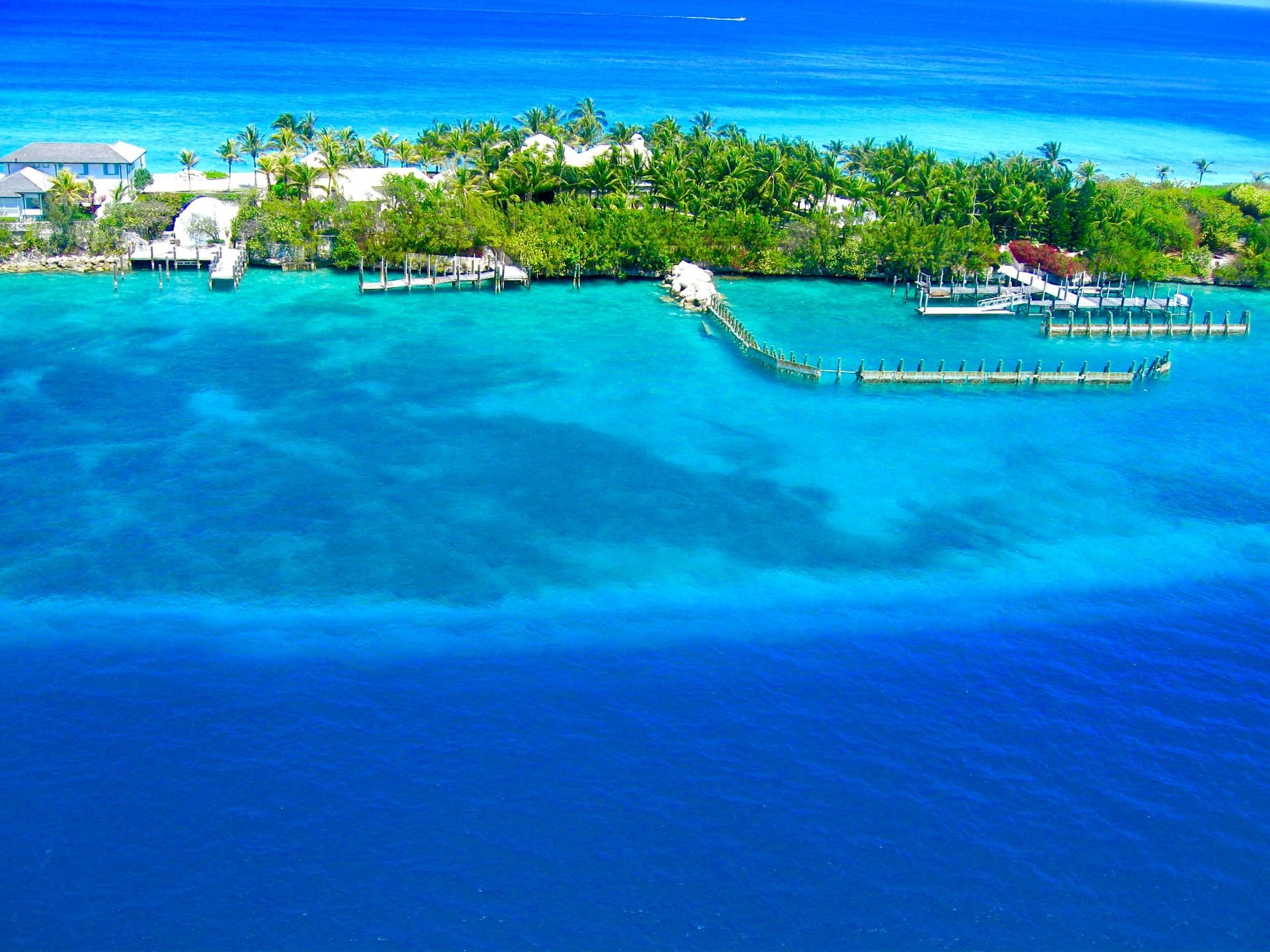
Relocating to the Bahamas: What Overseas Buyers Need to Know
The Bahamas runs one of the more liberal foreign property regimes in the Caribbean, wrapped around a tax system that raises its revenue almost entirely from VAT and customs duty rather than income tax. For anyone relocating from a high-tax jurisdiction, that trade-off is usually the headline. The paperwork underneath it deserves proper attention first.
Buying property
Foreign buyers can purchase residential property in the Bahamas without significant restriction. Under the International Persons Landholding Act (IPLA), both foreign individuals and foreign-incorporated companies can hold Bahamian land. For residential parcels under five acres, no prior government approval is required, only registration of the purchase with the Investments Board. Larger residential parcels or any commercial property need an application to the Investments Board for a permit before completion. Anyone planning to buy through a company structure should still raise it with a Bahamian attorney early, since the structure affects the paperwork and the ongoing tax position.
Tax on the property itself
The Bahamas' property transfer tax system now runs through VAT rather than the flat stamp duty regime it replaced. Foreign purchasers face a flat 10% VAT rate on the transfer, while Bahamian citizens can access a graduated scale starting at 2.5% depending on property value, and qualifying first-time Bahamian homebuyers pay 0% on homes up to $300,000 and 4% from $300,001 to $500,000. This VAT is customarily split equally between buyer and seller unless the sale agreement states otherwise. The Real Property Tax (Amendment) Act, 2026, introduced with the 2026-27 budget, is now reported as in force from 1 July 2026. It creates a new "foreign owned owner-occupied property" tax class with an annual cap of $200,000. Sources disagree on the rate: early reports describe a flat 0.625%, while others describe 0.625% on the first $1 million and 1% above. Our guide to buying and living costs in the Bahamas sets out the competing figures, and the Department of Inland Revenue can confirm which class and rate apply to a specific property.
Residency through property ownership
Owning Bahamian property does not automatically confer residency. For Economic Permanent Residence, the minimum investment is US$1,000,000, made either in real estate or in Zero Coupon Bonds from the Central Bank of The Bahamas, and the qualifying investment must be held for at least 10 years. This figure has now been confirmed directly against the Bahamas Immigration Department's own website. Real estate agencies and advisory sites also widely report a property valued at US$250,000 or more as supporting an application for the annual Home Owner's Resident Card, but that lower figure has not been confirmed against a primary government source, so verify it with the Department of Immigration or a Bahamian immigration attorney before relying on it.
Update, August 2026: the US$1,000,000 Economic Permanent Residency threshold above is now verified against the Immigration Department's own published position. For the full breakdown, including work rights, family inclusion and the route to citizenship, see Bahamas Residency by Investment: What Property Buyers Should Know.
Customs and shipping
The Bahamas has no general sales tax outside VAT. Historically, the government's primary revenue source has been customs duty charged on most imported goods, which is why prices for imported items tend to run higher than in the country of origin. Duty relief on personal effects and household goods is generally written more favourably for citizens and permanent residents than for new arrivals shipping goods ahead of any residency status. Goods arriving by courier or freight typically do not qualify for the more limited exemptions available to individual travellers, so a container of household goods should be expected to attract duty and VAT in full. Recent budget changes have reduced duty on some household plastics, paper goods and sanitary products, a reminder that rates are reviewed annually.
Driving
The Bahamas drives on the left. New arrivals can generally use a valid foreign licence for an initial period, with a local exchange required for longer-term residents. Confirm the current window with the Road Traffic Department directly once a moving date is set.
Banking and healthcare
Bahamian banks, including several international names with a local presence, generally work with foreign residents, though source-of-funds documentation for larger transfers, particularly property-related ones, is standard practice. Healthcare combines a public system centred on Princess Margaret Hospital in Nassau with an established private sector that most long-term foreign residents rely on. Private health insurance is worth arranging before arrival, given the gap in service levels between the two tiers, particularly on some of the more remote Out Islands.
The VAT-on-transfer system, not a licensing hurdle, is the main cost to plan a Bahamas purchase around. The residency thresholds are worth checking directly with the Department of Immigration rather than taken from any single published guide, this one included.
This guide is general information at the time of writing, not legal, tax or immigration advice. Rules and figures change, so confirm current requirements with a licensed local attorney or the relevant authority before making decisions.
Explore related blogs
View All
Renting Out Your Turks and Caicos Property: Licences, the 12% Tax and Tighter Enforcement
Investment Strategies
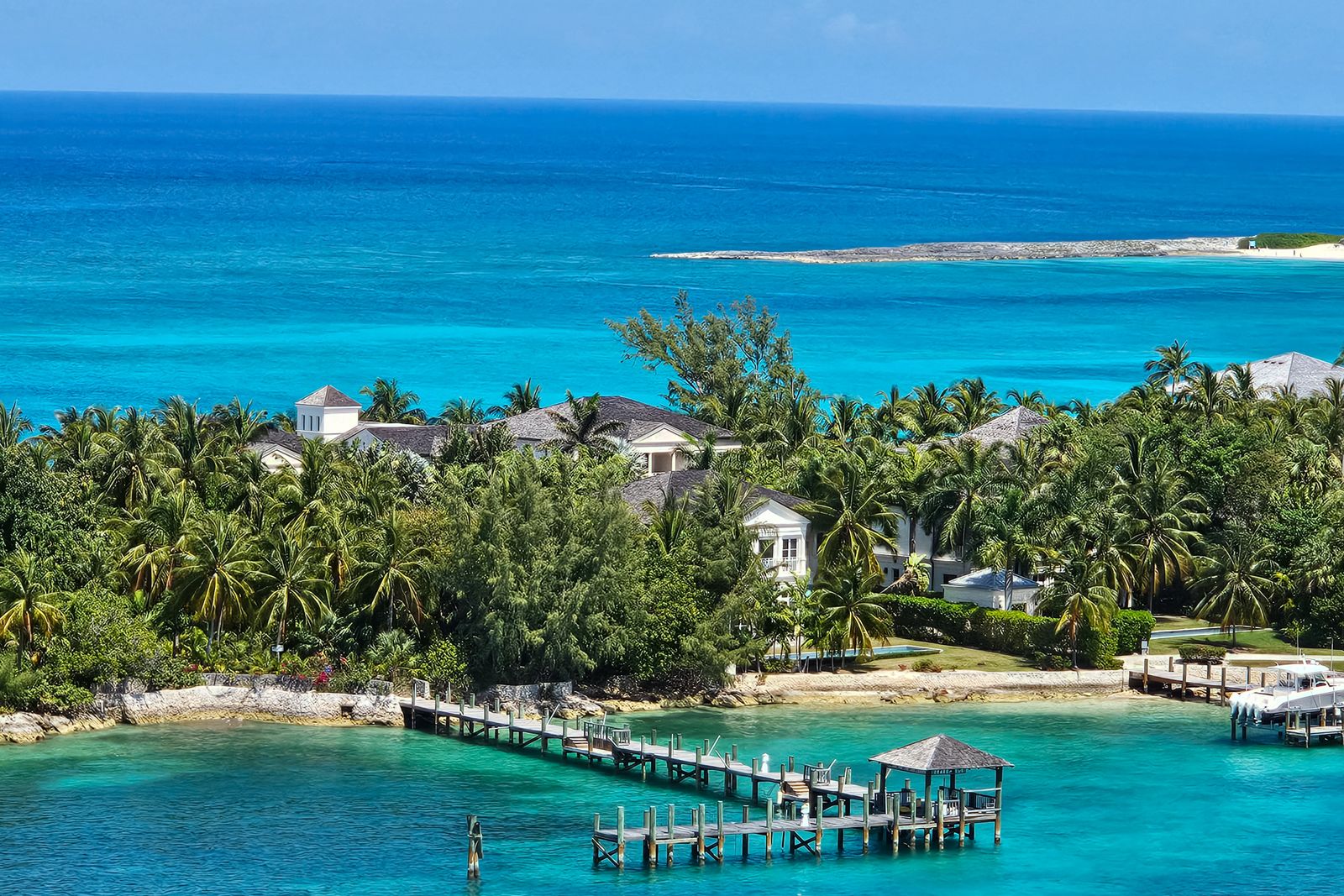
Renting Out Your Bahamas Property: Registration, VAT and the New Property Tax Class
Investment Strategies

Best Areas to Buy in St Vincent and the Grenadines: Villa, Bequia, Union Island and Beyond
Investment Strategies
Looking for Properties?
Browse homes that match your needs and budget with expert support and personalized advice to help you find your perfect Caribbean property. Get started within 5 days for quality advice to begin searching.