What Buying and Living in Guadeloupe Costs:
Notary Fees and Prices 16% Above Mainland France

What Buying and Living in Guadeloupe Costs: Notary Fees and Prices 16% Above Mainland France
Guadeloupe's buying costs follow French rules, which are different from every other island in this series except Martinique, St Barthélemy and the French side of St Martin. Its living costs follow a pattern that official French statistics describe in unusual detail.
What you pay to buy
A notary is mandatory in every sale, and the "notary fees" you will see quoted are mostly taxes. The total is about 7% to 8% of the price for existing property and 2% to 3% for new builds. A notary-fee calculator illustrates this with a €210,375 apartment, where fees come to about €15,989, or 7.6%, and a €375,660 house, where they come to about €27,923. The biggest part is the transfer duty, which sources report differently for Guadeloupe. One calculator gives 6.32% for existing property and says Guadeloupe voted the higher rate in 2025. Another site says the higher rate was adopted by Martinique, Guyane and Réunion instead, leaving Guadeloupe at 4.50%. A notary can confirm the rate for a specific sale, and the total should land around 7% to 8% either way.
An agent's fee is extra if the buyer pays it. A property guide quotes agency fees of 4.5% to 9%, including 8.5% VAT, the lower overseas rate, and suggests budgeting 10% to 12% above the net price when agency fees and financing costs are included. Who pays the agency fee depends on the mandate, so read it. A Guadeloupe magazine says lenders often ask for a deposit of 20% to 30% of the total cost, including notary fees.
For new builds, the notary fees fall to 2% to 3%, and a developer's guide says VAT on new-build sales is 8.5%, against 20% on the mainland. That is a developer's claim, and French tax schemes for overseas investment require French tax residence, so non-resident buyers cannot assume access to them.
What you pay while you own
Owners pay the annual taxe foncière, and second-home owners also pay the taxe d'habitation, which has been abolished on main residences. Non-residents who sell at a gain pay French capital gains tax of 19% plus social charges. Older guides quote social charges of 7.5% for EU and EEA residents and 17.2% for others, and one source says the rate changed on 1 January 2026, so confirm the current rate with a French tax adviser.
What things cost
INSEE, France's statistics office, ran a price comparison survey in 2022. It found that consumer prices in Guadeloupe were about 16% higher than on the mainland, the highest gap of the five overseas departments. Food was 42% higher and goods overall 20.6% higher. On the French side of Saint-Martin, the gap was 12% excluding rent, but food was 47% higher. These are 2022 figures, so prices have moved since, and the gap is an average for a typical household basket.
No reliable data on rents or monthly budgets specific to Guadeloupe turned up in this research, so none is given here. Ask local agents for current rents in the commune you are considering.
What this means for a buyer
Budget 7% to 8% for notary fees on an older property, and add agency fees and financing costs if they apply to you. Ask the notary for the exact transfer-duty rate. For living costs, remember the official gap and that food is where it is widest. The relocation and areas articles in this series cover the entry rules and where prices sit.
Explore related blogs
View All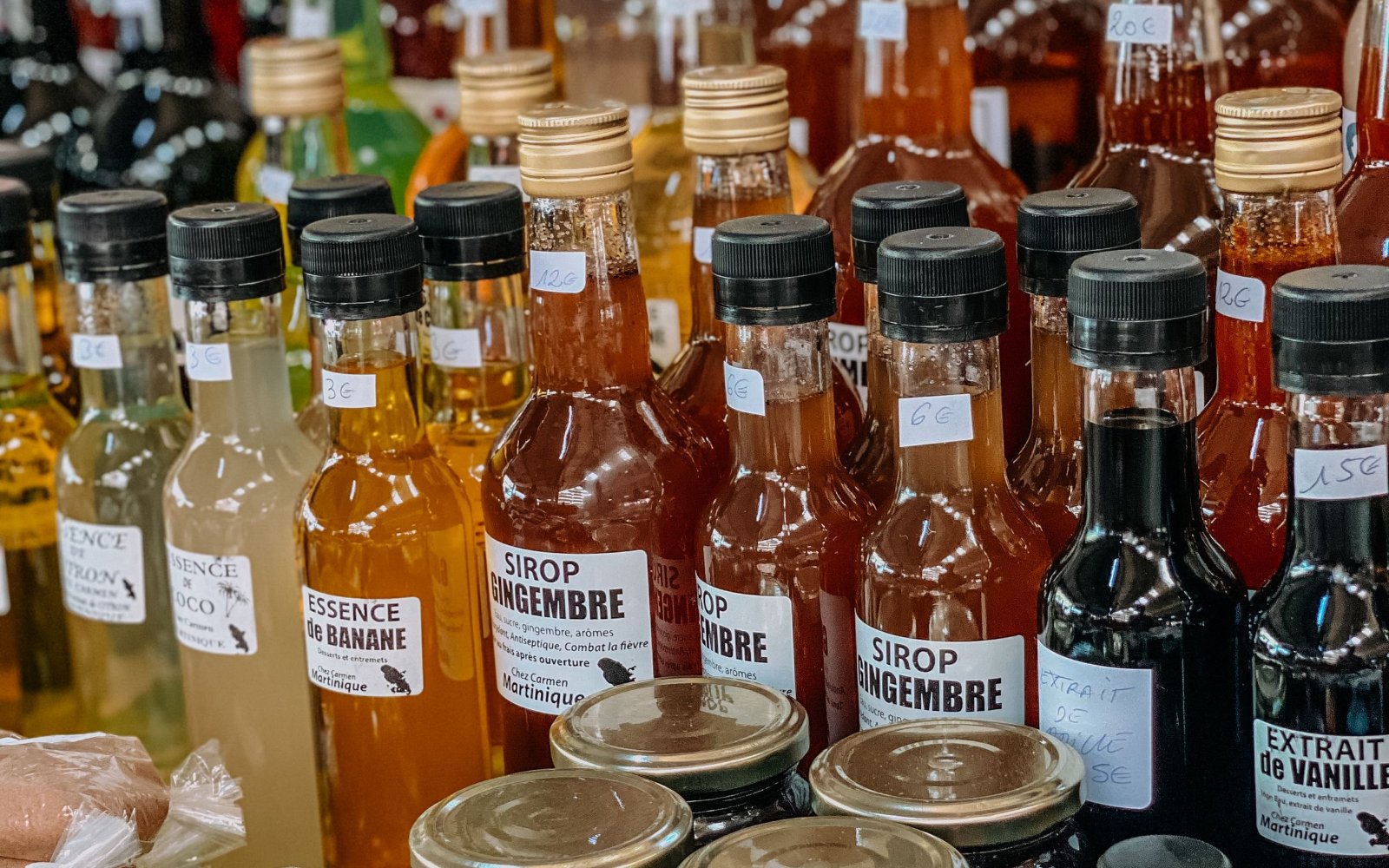
What Buying and Living in Martinique Costs: Notary Fees and the 'Vie Chère' Gap
Economic Insights

What Buying and Living in Dominica Costs: A 17% Buyer Bill and Low Local Rents
Economic Insights

What It Costs to Buy and Live in Grenada: The 10% Licence and a Wide Budget Range
Economic Insights

What It Costs to Buy and Live in Jamaica After Hurricane Melissa
Economic Insights
Looking for Properties?
Browse homes that match your needs and budget with expert support and personalized advice to help you find your perfect Caribbean property. Get started within 5 days for quality advice to begin searching.