What It Costs to Buy and Live in Jamaica After Hurricane Melissa
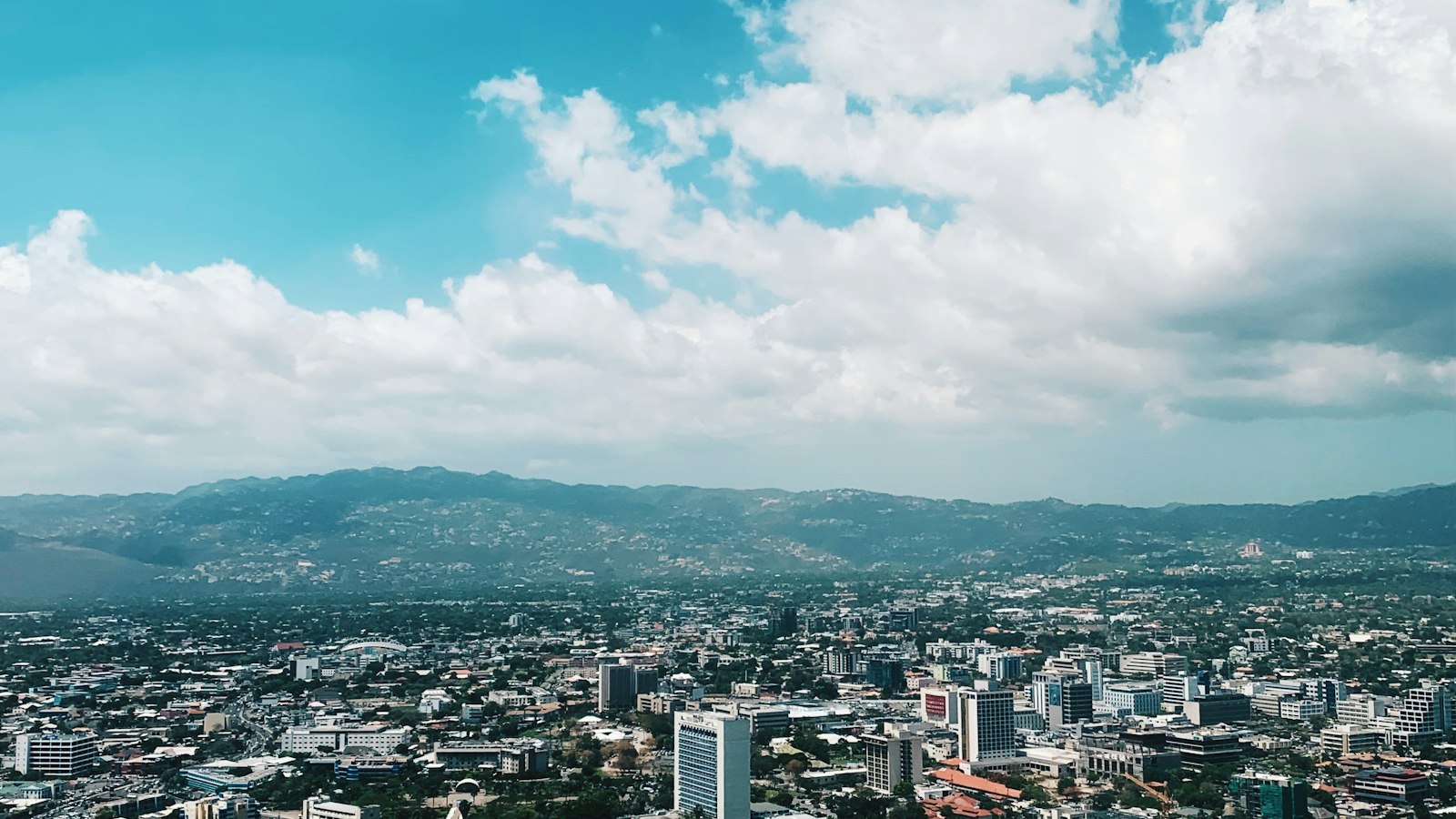
What It Costs to Buy and Live in Jamaica After Hurricane Melissa
Two kinds of cost matter in Jamaica: the ones set by law, which are easy to add up, and the ones set by the market, which have moved since Hurricane Melissa. Insurance has changed the most.
The island in numbers
Jamaica covers 10,991 square kilometres and is the third-largest island in the Caribbean, after Cuba and Hispaniola. Its population is about 2.8 to 2.9 million, depending on the estimate, and it is the third most populous English-speaking country in the Americas. The island is divided into 14 parishes, grouped into three historic counties, Cornwall, Middlesex and Surrey, that have no administrative role today. The highest point, Blue Mountain Peak, rises to 2,256 metres, and almost half the island lies above 1,000 feet, which is why rainfall varies so much: the Jamaica Tourist Board puts the average at 198 centimetres a year, from as little as 76 centimetres on parts of the western plains to nearly 760 centimetres in the hills. Average temperature is about 27 degrees Celsius, and about 13 degrees at the summit of the Blue Mountains. Traffic drives on the left, and the island runs on UTC-5.
The currency is the Jamaican dollar. It traded at about J$158 to the US dollar in late September 2026, and inflation was 7.9% in August, above the central bank's 4% to 6% target, according to a 2026 explainer. Anyone budgeting in dollars should note that rents and many services are priced in Jamaican dollars and that the exchange rate has held steady partly because the central bank regularly sells US dollars.
What you pay to buy
The purchase costs were verified earlier in this series. The seller pays a 2% transfer tax and the legal documents carry a flat J$5,000 stamp duty, following a 2019 reform that replaced the old percentage-based duty. Legal fees attract 15% General Consumption Tax. A mortgage carries its own stamp duty, covered in the legal article. Annual property tax runs in bands of 0.5% to 0.9% of unimproved land value. Together, the buyer-side costs on a cash purchase come to roughly 4% of the price, which is light by regional standards.
Insurance has become the swing cost
Hurricane Melissa made landfall on 28 October 2025 as a Category 5 storm, and its effect on insurance is still being worked out. The Insurance Association of Jamaica says fewer than one in five homes are insured, and AM Best has put coverage at less than 5% of property, two figures that measure different things. Insured losses were estimated at US$2.2 billion to US$4.2 billion. Insurers drew about J$78 billion from reinsurers to pay claims, nearly six times the previous level, according to Financial Services Commission data, and the sector's service expenses jumped by 223% in 2025.
For a buyer, the practical lessons are about underinsurance. One insurer said seven in ten of the Melissa claims it received were underinsured, so a policy that covers only part of the rebuilding cost pays out only that proportion of a loss. An estimate cited by the Insurance Association says about 95% of insured properties are underinsured. Hurricane deductibles of around 2% of the sum insured are commonly applied. No premium figure has been published for the years since Melissa, though trade reporting expects reinsurance pricing to tighten. Ask for a written quote, with the hurricane deductible and the rebuilding value stated, before making an offer. Some claims were still unsettled a year after the storm.
Electricity
Jamaica Public Service is the only electricity utility, serving about 710,000 customers. Its fuel rate was J$26.776 per kWh in August 2026. One price-tracking site puts the all-in residential price at about J$47 per kWh, roughly US$0.30, in March 2026, while other guides quote US$0.35 to US$0.40. After Melissa, JPS said its sales fell about 30%, and its fuel and independent-power charges rose in December, though the August fuel rate is lower than that month's. Air conditioning is the swing factor in any bill, and a lower rate of GCT on residential electricity has been announced by the government.
Rent and everyday costs
Rents have no official index. A Kingston one-bedroom runs about US$750 to US$1,010 on current listings in one guide, US$400 to US$800 in another, and about £569 in the centre on a data site. Monthly budgets for one person are quoted at about US$1,150 to US$2,250 excluding rent, about US$2,000 including a one-bedroom, and US$1,400 to US$2,800 depending on whether the base is Kingston or Montego Bay. Private health insurance is quoted at US$80 to US$250 a month. These estimates differ by a factor of two or more, so build a budget from a specific parish and lifestyle.
What this means for a buyer
The legal costs of buying in Jamaica are modest and known. The costs to scrutinise are insurance, electricity and the exchange rate. Check the parish's recovery status, using the lifestyle and hotel articles earlier in this series, and treat an insurance quote as a condition of the purchase.
Explore related blogs
View All
What It Costs to Buy and Live in Grenada: The 10% Licence and a Wide Budget Range
Economic Insights
What It Costs to Own and Live in the US Virgin Islands: Electricity, Windstorm Insurance and Rents
Economic Insights
What Buying and Living in Saint Lucia Costs
Economic Insights
What It Costs to Buy and Live in St Kitts and Nevis
Economic Insights
Looking for Properties?
Browse homes that match your needs and budget with expert support and personalized advice to help you find your perfect Caribbean property. Get started within 5 days for quality advice to begin searching.