Jamaica's Property Market:
Where Prices Actually Stand in 2026
Jamaica's Property Market: Where Prices Actually Stand in 2026
Jamaica, an independent nation, has a property market in a phase of price discovery rather than collapse in 2026: demand remains, but the gap between what buyers will pay and what sellers expect has widened, with annual inflation at 7.9% in August 2026 and the National Housing Trust planning 10,675 new housing solutions for 2026/27, as at September 2026.
Key takeaways
Inflation rate: Jamaica's annual inflation rate was 7.9% as of August 2026 (STATIN).
Unemployment rate: Unemployment was 3.7% in the April 2026 Labour Force Survey.
Housing supply: The National Housing Trust plans to place 5,673 houses and lots on the market in the 2026/27 financial year.
Mortgage loans: The National Housing Trust plans to process 5,424 mortgage loans in the 2026/27 financial year.
Jamaica is an independent nation and sets its own property, tax and immigration law.
Jamaica's property market in 2026 is producing an unusual pattern: demand has not gone anywhere, but the gap between what buyers are willing to pay and what sellers expect has widened to the point where it is reshaping how transactions actually happen.
Key facts
Legal framework: Jamaica is an independent nation and sets its own property, tax and immigration law. (Verified)
Jamaica's annual inflation rate was 7.9% as of August 2026 (STATIN); unemployment was 3.7% in the April 2026 Labour Force Survey, with youth unemployment considerably higher at 11.7% (Verified)
National Housing Trust plans for the 2026/27 financial year: 10,675 new housing solutions to begin, 5,673 houses and lots to be placed on the market, 5,424 mortgage loans to be processed (Verified)
Demand remains particularly strong in Kingston and St Andrew, St Catherine, Clarendon, St Thomas, St Ann and Montego Bay (Verified)
Montego Bay premium property values can rival upper-end Kingston pricing, though the Montego Bay mid-market is generally more accessible than equivalent St Andrew properties (Verified)
A note on Hurricane Melissa. Hurricane Melissa struck Jamaica as a Category 5 storm on 28 October 2025, causing about US$12 billion of damage and severely damaging about 116,000 structures, concentrated in Westmoreland, St Elizabeth and Manchester. Price and rental figures for the western and southwestern parishes should be read with that in mind. Our guide to everyday life in Jamaica covers the storm and the recovery. The hotel rebuild article tracks which resorts have reopened, and the cost article covers the insurance position after the storm.
A market of price discovery, not collapse
Jamaica's housing market is not crashing, and describing it that way would misread what is actually going on. Buyers still want homes, and sellers still want strong prices, but the space between the two positions has become harder to bridge than it was during the pandemic-era surge. Annual inflation stood at 7.9% as of August 2026, according to Jamaica's Statistical Institute (STATIN), while unemployment sat at a low 3.7% in the April 2026 Labour Force Survey, though youth unemployment remained considerably higher at 11.7%. That combination, low overall unemployment alongside high inflation, is part of why demand has stayed real even as affordability has become the binding constraint on how many transactions actually close.
The National Housing Trust's own numbers point to unmet demand
The National Housing Trust, Jamaica's main state-backed mortgage and housing delivery body, plans to begin construction on 10,675 new housing solutions in the 2026/27 financial year, place 5,673 completed houses and lots on the market, and process 5,424 mortgage loans over the same period. Those are not the actions of an institution expecting housing demand to fade; they reflect a country still struggling to produce enough homes at prices a meaningful share of the population can actually reach, which is a supply problem rather than a demand problem.
Where demand concentrates
Demand remains particularly strong in Kingston and St Andrew, St Catherine, Clarendon, St Thomas parish, St Ann and Montego Bay specifically, a mix of the capital's core commercial area, its fast-growing commuter suburbs, and the two established resort-driven markets on the north coast. St Andrew is Jamaica's largest and most active residential market by a considerable margin, and remains the benchmark most other parishes get measured against, even though what happens there frequently has little bearing on smaller, less liquid markets elsewhere on the island.
Montego Bay: Jamaica's second urban centre, on its own terms
Montego Bay and the wider St James parish function as a distinctly separate market from Kingston rather than a smaller version of it. Premium property values in Montego Bay, particularly resort-adjacent villas and gated developments priced in US dollars to reflect international demand, can rival or exceed upper-end Kingston pricing. The Montego Bay mid-market, by contrast, is generally more accessible than an equivalent St Andrew property, which means the city offers a clearly different value proposition depending on which segment a buyer is looking at rather than a single, uniform price level.
Why treating Jamaica as one market is a mistake
A house attracting multiple enquiries in Kingston may bear little resemblance to a similarly priced property struggling to sell in a different parish, and price alone does not determine how quickly a Jamaican property moves. Location, land title clarity, property condition, access to financing and the type of buyer being targeted all create distinctly separate markets operating side by side across the island's fourteen parishes. Sellers who formed their price expectations during the period when demand consistently outpaced supply in parts of Kingston and St Andrew are, in several other parishes, finding that presentation, accurate pricing and patience now matter considerably more than they did just a few years ago.
What this means for a buyer
Jamaica in 2026 rewards buyers who research the specific parish and price segment they are targeting rather than relying on national headlines about the market being either hot or cooling. A property in St Catherine benefiting from new road infrastructure sits in a fundamentally different position from a comparable listing in a parish without that same investment, and the honest read of the current data is a market fragmenting into several distinct, parallel stories rather than moving as one.
Questions and answers
Are property prices falling in Jamaica in 2026?
Jamaica's housing market is not crashing. It is in a phase of price discovery: buyers still want homes and sellers still want strong prices, but the space between the two has become harder to bridge than during the pandemic-era surge.
What are inflation and unemployment in Jamaica in 2026?
Annual inflation stood at 7.9% as of August 2026, according to STATIN, while unemployment was 3.7% in the April 2026 Labour Force Survey. Youth unemployment was considerably higher at 11.7%.
Where is housing demand strongest in Jamaica?
Demand remains particularly strong in Kingston and St Andrew, St Catherine, Clarendon, St Thomas, St Ann and Montego Bay. St Andrew is the largest and most active residential market.
Is property in Montego Bay cheaper than in Kingston, Jamaica?
It depends on the segment. Premium property values in Montego Bay can rival or exceed upper-end Kingston pricing, while the Montego Bay mid-market is generally more accessible than an equivalent St Andrew property.
How many homes does Jamaica's National Housing Trust plan to deliver in 2026/27?
The National Housing Trust plans to begin construction on 10,675 new housing solutions in the 2026/27 financial year, place 5,673 completed houses and lots on the market, and process 5,424 mortgage loans.
Related guides
More on Jamaica
Best Parishes to Buy Property in Jamaica: Montego Bay, Ocho Rios and Kingston
Jamaica's Hotel Rebuild After Melissa: What Has Reopened and What Is Planned
What It Costs to Buy and Live in Jamaica After Hurricane Melissa
Everyday Life in Jamaica: Reggae, Patois and the Aftermath of Hurricane Melissa
Similar guides for other islands
About the data
Figures are the latest available as of September 2026. Next review due December 2026.
This guide draws on 3 sources: 3 news or trade media.
Fact statuses: Verified means stated by a primary or official source (Verified (see note) adds a caveat). Corroborated means several independent sources agree, but no primary source was found. Estimate means a single source, an agency figure or an asking price. Disputed means sources conflict. Calculated by Pan Caribbean means our own arithmetic from the figures shown.
Sources and checks
Researched September 2026. Next review due December 2026.
Jamaica Homes News: housing demand is strong but affordability is setting the limit (news or trade media)
Jamaica Homes News: parish-by-parish guide to Jamaica's property market in 2026 (news or trade media)
Jamaica Homes News: one island, several housing markets (news or trade media)
About Pan Caribbean
Pan Caribbean is a property listing portal and market data platform covering 23 markets across the Caribbean. Buyers, investors, agents and developers can search, compare and research property throughout the region, all in one place.
This guide gives general information, not legal, tax or financial advice. Pan Caribbean is not an estate agent or broker and does not act in any sale or purchase. Confirm the details with a licensed local adviser before acting.
Explore related blogs
View All
CHOGM 2026: Antigua vs Barbados Property and What Two Commonwealth Markets Can Teach Each Other
Property Prices & Market Reports
Barbados Property Prices in 2026: Fewer Sales, Higher Values and a Mix Effect
Property Prices & Market Reports
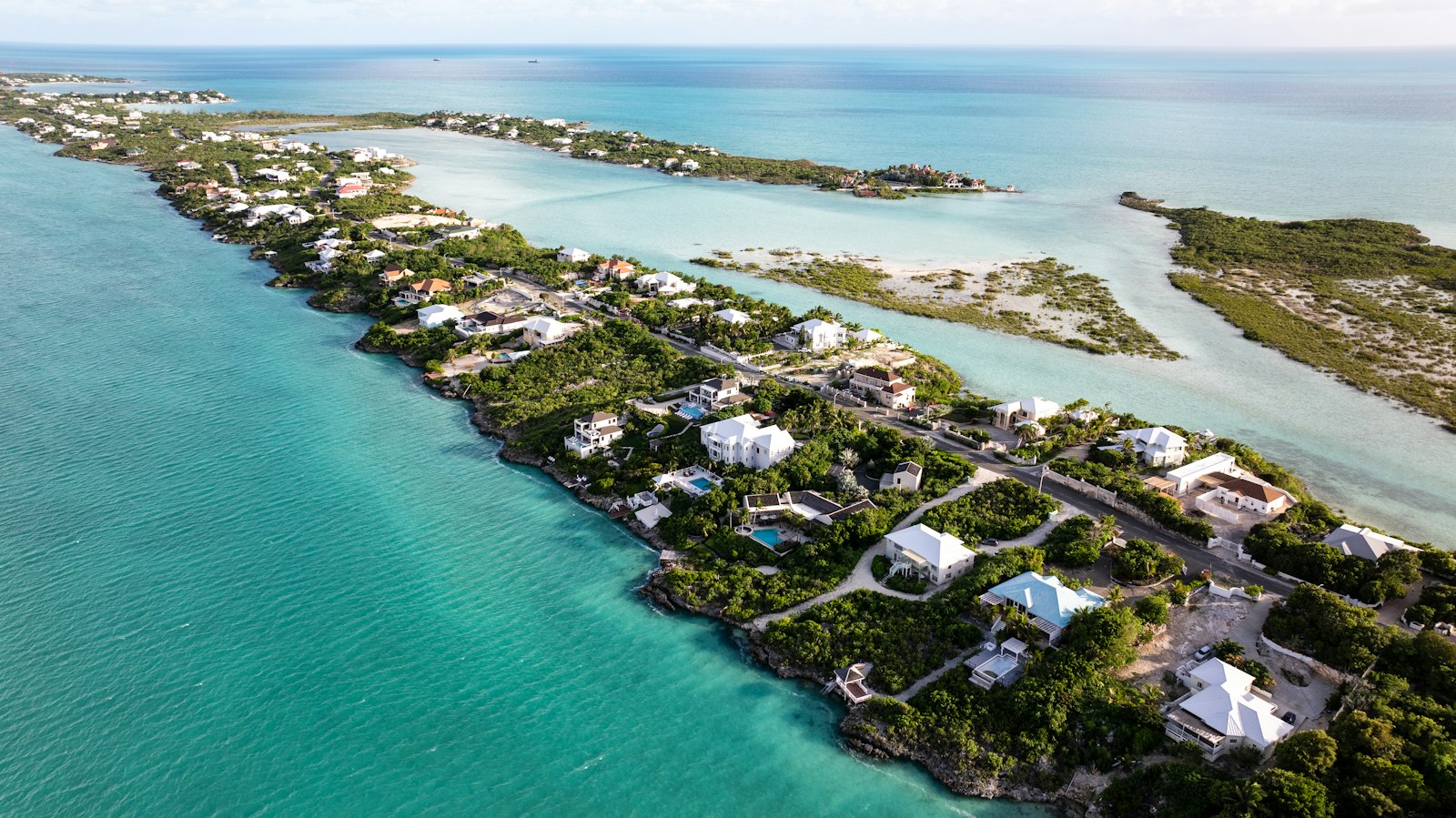
Turks and Caicos Property Prices in 2026: Median Prices and a Slow Recovery
Property Prices & Market Reports
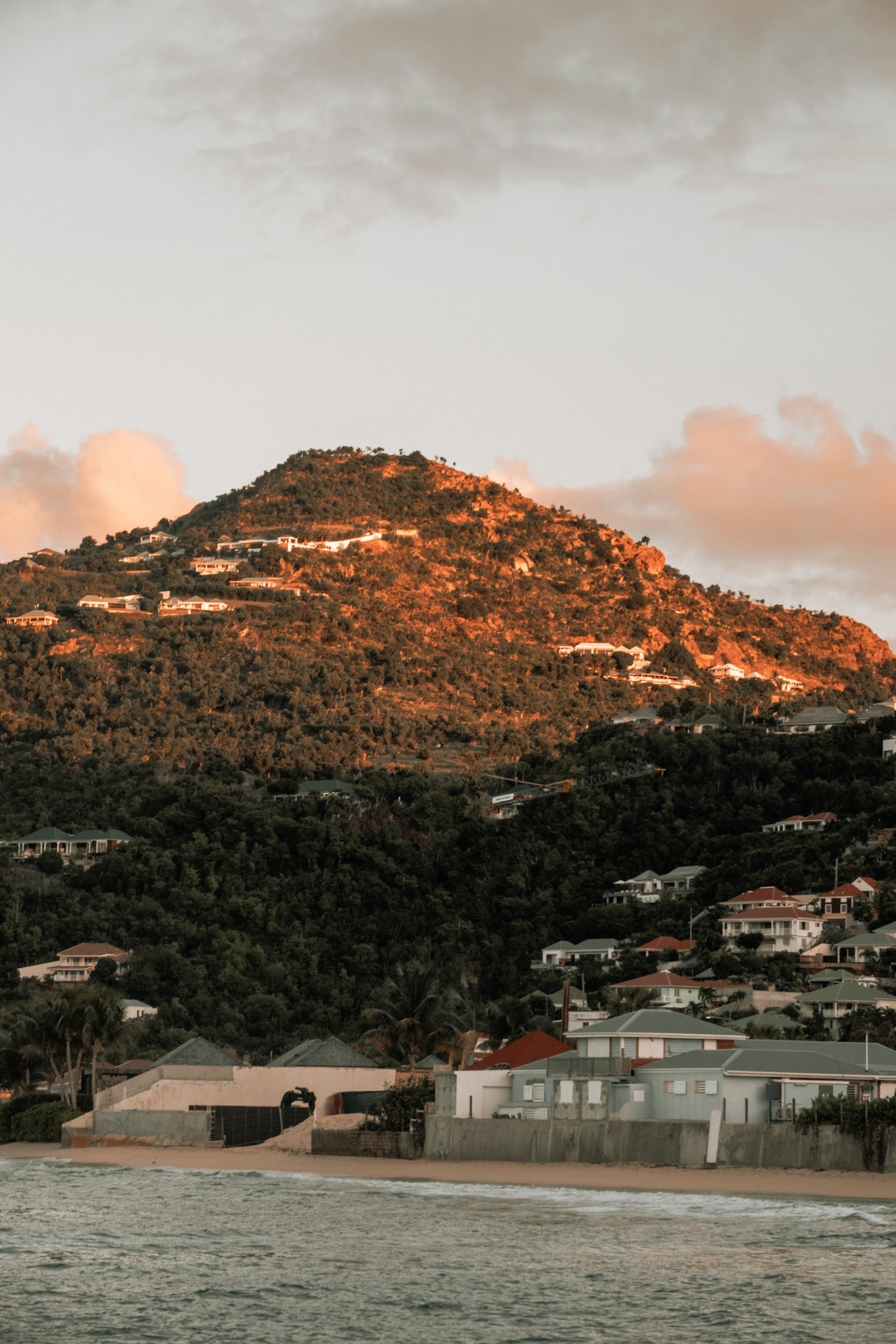
St Barts Property Prices in 2026: An Opaque Ultra-Prime Market
Property Prices & Market Reports
Looking for Properties?
Browse homes that match your needs and budget with expert support and personalized advice to help you find your perfect Caribbean property. Get started within 5 days for quality advice to begin searching.