Renting Your Saint Lucia Villa:
What the Rules and Yields Actually Look Like
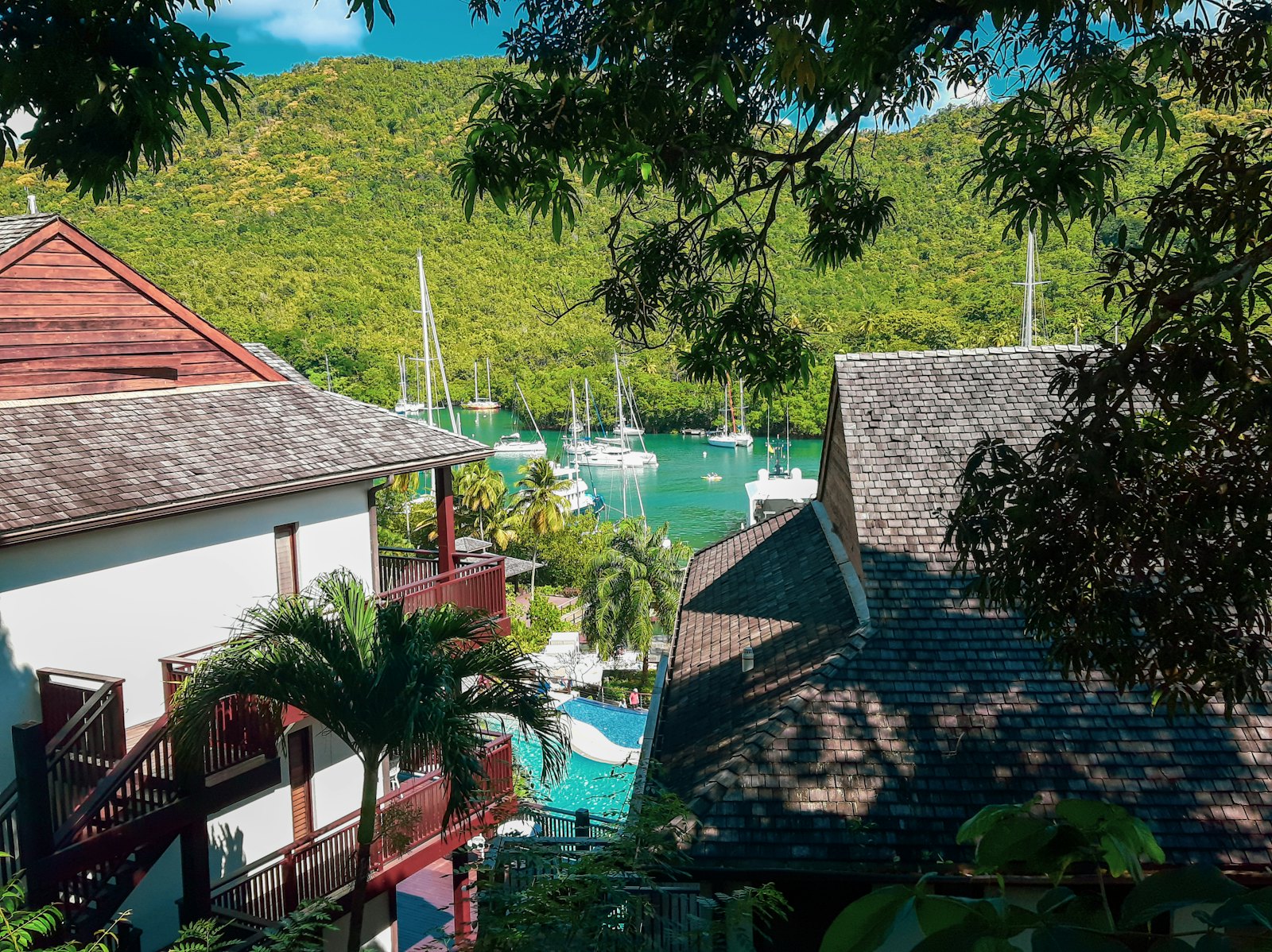
Renting Your Saint Lucia Villa: What the Rules and Yields Actually Look Like
Renting out a villa in Saint Lucia involves one specific government registration that catches a fair number of new owners off guard, mainly because it is easy to assume the process ends once the Alien Landholding Licence is sorted. It does not.
The registration you actually need
Since December 2020, any registered tourism accommodation service provider in Saint Lucia, which includes short-term vacation rentals and villas let through platforms like Airbnb or VRBO, not just formal hotels, must collect a Tourism Levy from guests and remit it to the Saint Lucia Tourism Authority. The levy runs on a two-tier nightly rate: US$3 per person per night for accommodation with an average daily rate of US$120 or below, and US$6 per person per night above that threshold. Guests aged 12 to 17 pay half the applicable rate, and children under 12 are exempt entirely. Registration happens directly through the Tourism Authority's own portal, and once registered, an owner becomes legally responsible for collecting and passing on the levy, not merely for informing guests it exists.
VAT on rental income
Saint Lucia's standard VAT rate is 12.5%, but tourism accommodation services specifically benefit from a reduced rate of 7%, confirmed by PwC's tax summary for the country. This applies to the accommodation charge itself, not to the separate Tourism Levy, which sits outside the VAT calculation entirely. Anyone renting a property short-term should be clear with a local accountant about which rate applies to which line item on a guest invoice, since conflating the two is a common and avoidable error.
What yields actually look like
Reported rental yields for Saint Lucia property vary by source and by how a property is managed, but a range of 2% to 5% per year is commonly cited for standard rental arrangements, with well-located, well-managed villas reaching 9% to 10% during peak winter season specifically. Management companies typically take a meaningful cut of gross rental income, commonly reported in the 40% to 50% range for full-service villa management including marketing, guest turnover, maintenance and staffing, which is worth building into a net yield calculation rather than working from the headline gross figure alone.
Long-term versus short-term letting
Saint Lucia supports both markets. Long-term rentals, generally six months or more, run through a more conventional landlord-tenant relationship with fewer regulatory touchpoints, no Tourism Levy obligation, and typically lower but steadier returns. Short-term, tourist-facing rentals concentrate around Rodney Bay, Gros Islet and Cap Estate in the north, and around Soufrière near the Pitons for a smaller, higher-end eco-tourism and luxury market. April 2026 saw the Saint Lucia Tourism Authority report 40,752 stay-over visitors, the highest April arrivals on record and up 8.5% on the previous year, a demand signal worth factoring into the short-term rental case specifically, since occupancy is what actually drives yield rather than the headline nightly rate.
Citizenship by Investment properties are a different animal
Buyers using Saint Lucia's Citizenship by Investment programme to purchase an approved property should check the specific rental programme structure attached to that development before assuming it works like an independently-managed villa. Some CBI-approved projects run their own rental pool with fixed terms and a defined holding period, which changes both the expected net return and the flexibility an owner has to manage the property independently. Due diligence on a CBI-linked purchase should specifically cover the rental programme's structure and expected net returns after fees, not just the headline citizenship-qualifying investment amount.
Getting the paperwork right from day one
The practical sequence for a new owner planning to rent is straightforward on paper: register with the Saint Lucia Tourism Authority as an accommodation service provider before taking the first booking, confirm the 7% VAT treatment with an accountant, and get a written management agreement that spells out the percentage taken and what it actually covers. Skipping the Tourism Levy registration is not a grey area; the obligation is written directly into the 2020 Act, and it is a far smaller task to handle before the first guest arrives than to untangle after several seasons of unregistered lets.
Explore related blogs
View All
Renting Out Your Turks and Caicos Property: Licences, the 12% Tax and Tighter Enforcement
Investment Strategies

Renting Out Your Bahamas Property: Registration, VAT and the New Property Tax Class
Investment Strategies

Best Areas to Buy in St Vincent and the Grenadines: Villa, Bequia, Union Island and Beyond
Investment Strategies
Looking for Properties?
Browse homes that match your needs and budget with expert support and personalized advice to help you find your perfect Caribbean property. Get started within 5 days for quality advice to begin searching.