Best Areas to Buy in Cayman:
Seven Mile Beach, South Sound, West Bay and the Quieter Coasts
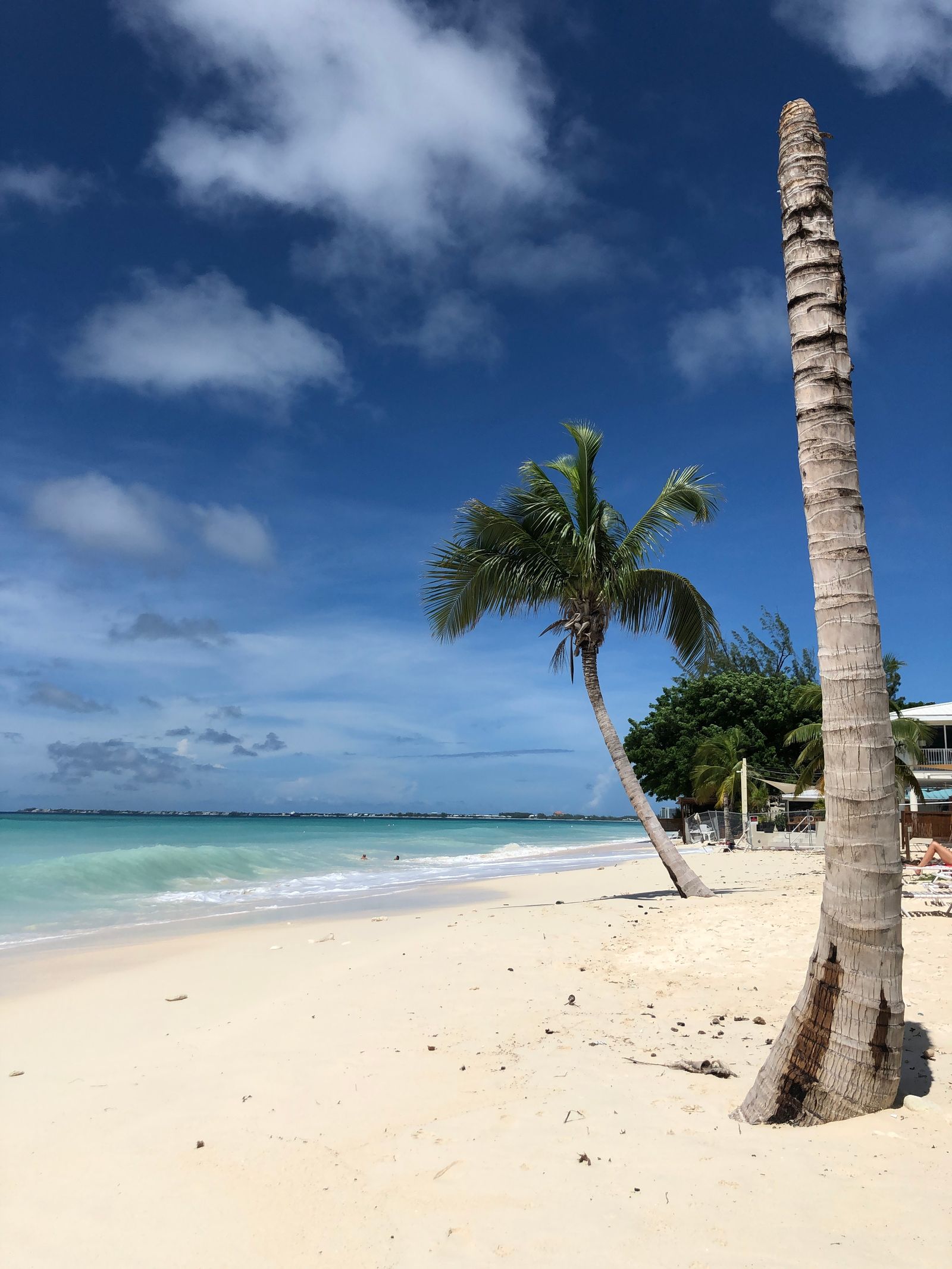
Best Areas to Buy in Cayman: Seven Mile Beach, South Sound, West Bay and the Quieter Coasts
Grand Cayman is small enough that every neighbourhood below is within an hour's drive of the others. What separates them is less distance than the kind of day each one is built for.
Seven Mile Beach and Camana Bay
Seven Mile Beach is the most popular neighbourhood on the island and also the most expensive. It is built around condominium complexes and resort-style living, with the best restaurants and the shortest commutes to the airport and George Town. Camana Bay sits behind the beach as a walkable town centre with shops, offices and apartments, and appeals to professionals and families who want to leave the car at home. Earlier research in this series put older, non-beachfront units from around US$1,200 per square foot, with new beachfront penthouses above US$2,500.
George Town
The capital is where the cruise port, the airport and the financial district meet, with restaurants and shopping within walking distance of the docks. It suits buyers who want to be close to work and the airport, with Seven Mile Beach a short drive away.
South Sound
Just outside George Town, South Sound is consistently described as one of the best areas for families. It is mostly single-family homes and small local shops, and its draw is central schools and a settled residential routine rather than a beachfront postcard. Earlier research in this series put South Sound and Cayman Kai at roughly US$800 to US$1,400 per square foot.
West Bay
At the northern end of the Seven Mile Beach corridor, West Bay has a more local character and a less resort-driven feel. It offers both oceanfront and canal-front homes near the Cayman Islands Yacht Club, with waterways and mangroves close by. Prices are generally lower than the prime beach strip, and agencies describe it as one of the more affordable parts of the west side, with bus routes running toward Seven Mile Beach.
Governors Harbour and Snug Harbour
These canal-side communities suit boating owners who want central access. Governors Harbour is described as popular with central families and boaters, while Snug Harbour is described as boating-focused with premium homes and quick access to the main roads.
Prospect, Savannah and Bodden Town
Moving east, the south coast opens up. Bodden Town was the original capital and is a residential area of well-kept homes and some older Caribbean cottages. Savannah, to its west, has the shops and supermarkets that make daily life practical. These districts offer more space and better value than the west side, in exchange for a longer commute to George Town and Seven Mile Beach.
Rum Point, Cayman Kai and the North Side
Protected by the barrier reef offshore, the north coast has calm, shallow water, residential waterfront homes and rental properties. Cayman Kai is a quiet, upscale residential area, and a local vacation guide reports that returning visitors often switch to it from Seven Mile Beach. It suits buyers who want slower days and more space, and who are happy to drive to dinner.
East End and the Sister Islands
East End is one of the most remote parts of Grand Cayman, known for diving and privacy. For buyers who want a different pace altogether, one brokerage calls Little Cayman the best-kept secret in the Cayman Islands. The sister islands also carry a lower residency threshold, CI$500,000 in total investment with CI$250,000 in developed real estate, compared with Grand Cayman's CI$1,000,000 and CI$500,000.
Choosing between them
A short list works better than a long one. Seven Mile Beach and Camana Bay suit convenience and walkability. South Sound suits families. West Bay trades some polish for price and local character. The north and east coasts suit buyers who want space more than restaurants. All of them carry the same purchase rules, covered earlier in this series: no licence for residential purchases, and stamp duty of 7.5%, rising to 10% from 1 January 2026 for properties of CI$2 million or more.
Explore related blogs
View All
Renting Out Your Turks and Caicos Property: Licences, the 12% Tax and Tighter Enforcement
Investment Strategies
Renting Out Your Bahamas Property: Registration, VAT and the New Property Tax Class
Investment Strategies
Best Areas to Buy in St Vincent and the Grenadines: Villa, Bequia, Union Island and Beyond
Investment Strategies
Looking for Properties?
Browse homes that match your needs and budget with expert support and personalized advice to help you find your perfect Caribbean property. Get started within 5 days for quality advice to begin searching.