What It Costs to Buy Property in the Grenadines
What It Costs to Buy Property in the Grenadines
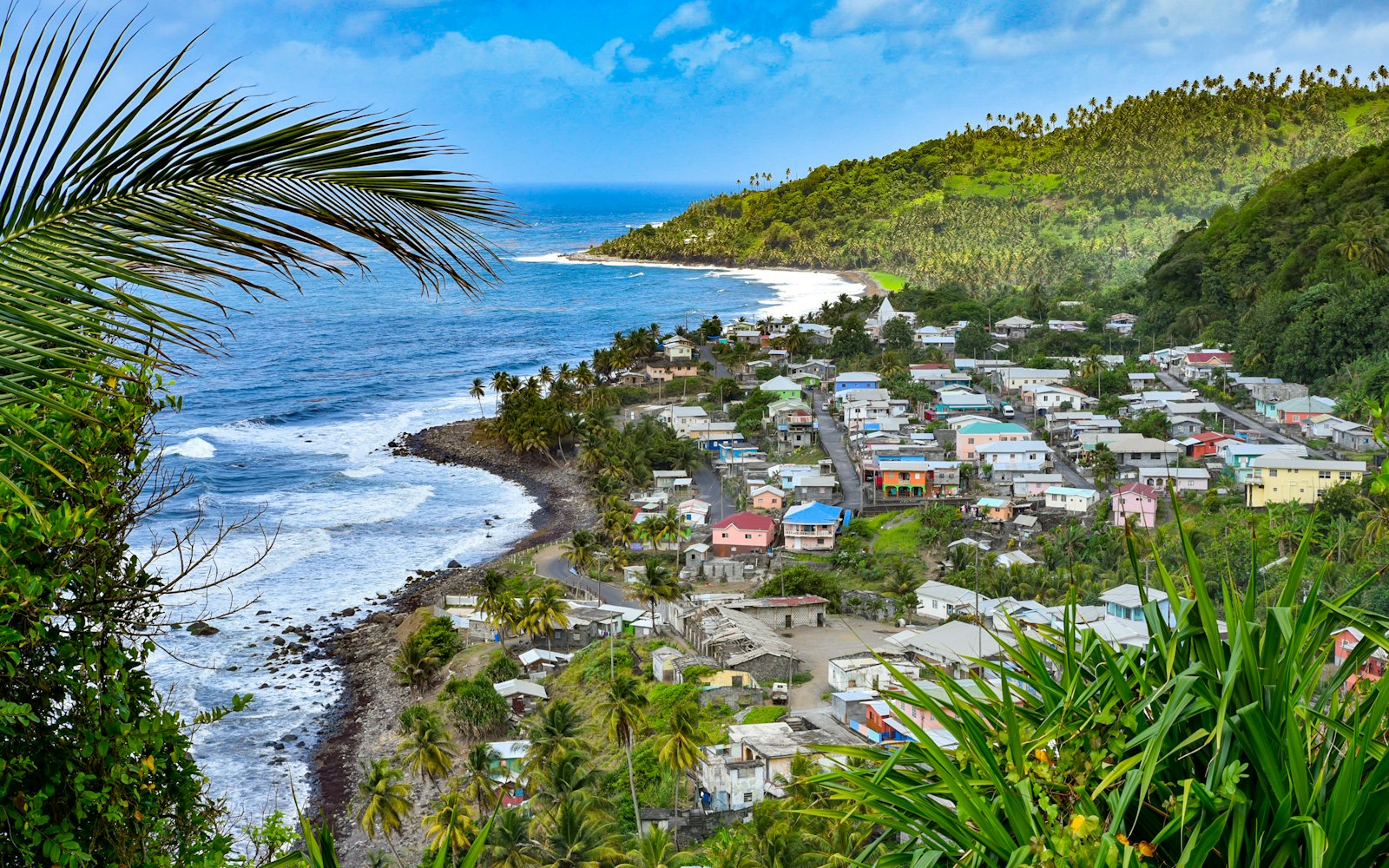
The cost of living in St Vincent and the Grenadines splits cleanly into two different pictures depending on whether the question is about the mainland or the outer Grenadine islands, and conflating the two produces a badly wrong budget in either direction.
The cost of buying, mainland versus Grenadines
Property purchase costs follow the Alien's Landholding Licence process covered in detail elsewhere in this series, with current Prime Minister's Office guidance setting the application fee at EC$2,500 and both the licence fee and stamp duty scaled to the market value of the property. Mainland St Vincent property tends to sit well below the prices commanded on Bequia, Mustique or Canouan, where scarcity and international demand push prices into an entirely different range, a pattern covered more fully in this series' Grenadines spotlight and rental market articles.
Tax on the way in
VAT sits at 16% on most goods and services, with a reduced 11% rate specifically for hotel accommodation, and basic food items, medicines and exports rated at zero. This structure is broadly in line with other Eastern Caribbean OECS members, though the specific 11% hotel rate is worth knowing for anyone planning to operate a rental property, since it sits meaningfully below the general rate.
The mainland cost of living
General cost-of-living tools put the average monthly cost for a single person on St Vincent at around $1,241 as of 2026, including average rent of $284, though a single person's costs excluding rent are separately estimated closer to $957, and a family of four's monthly costs around $3,480. As with almost every smaller Caribbean territory covered in this series, different cost calculators produce meaningfully different totals for the same country, so any of these figures is best treated as a rough planning range rather than a number to budget against precisely. Utilities for a modest apartment, covering electricity, water and waste, commonly run in the region of $74 a month based on the same data set, a specific, useful figure amid the wider uncertainty.
The Grenadines cost of living is a different question entirely
None of the mainland cost-of-living figures above meaningfully apply to life on Bequia, and even less so to Mustique or Canouan, where imported goods, a much smaller local supply base, and a markedly different property market push daily costs well above what the national averages suggest. Anyone planning a Grenadines-based budget should build it from the specific island's actual grocery, fuel and services costs rather than a national St Vincent and the Grenadines average, which is heavily weighted toward the more populous, more self-sufficient mainland.
What actually drives the cost up or down
As with several islands in this series, the biggest single variable is how much of daily life depends on imported goods versus what is grown or caught locally. St Vincent's mainland has a genuine agricultural base, still producing a meaningful share of its own food, which keeps costs for locally-focused households lower than the general cost-of-living figures might suggest. The Grenadine islands, by contrast, depend far more heavily on imported supplies shipped or flown in, and that dependency, not the general national statistics, is what actually determines a realistic budget for anyone settling on one of the outer islands specifically.
Putting it together
For a mainland-based buyer, St Vincent offers one of the more affordable costs of living in the wider Eastern Caribbean, backed by real local food production and a lower cost base than most of its neighbours. For anyone drawn instead to Bequia, Mustique or Canouan, the national statistics are close to irrelevant, and building a budget from island-specific costs, ideally checked directly with a current resident or property manager on that particular island, is the only reliable approach.
Explore related blogs
View All
Renting Out Your Turks and Caicos Property: Licences, the 12% Tax and Tighter Enforcement
Investment Strategies
Renting Out Your Bahamas Property: Registration, VAT and the New Property Tax Class
Investment Strategies

Best Areas to Buy in St Vincent and the Grenadines: Villa, Bequia, Union Island and Beyond
Investment Strategies
Looking for Properties?
Browse homes that match your needs and budget with expert support and personalized advice to help you find your perfect Caribbean property. Get started within 5 days for quality advice to begin searching.