What Buyers Should Actually Know Before Relocating to the Dominican Republic
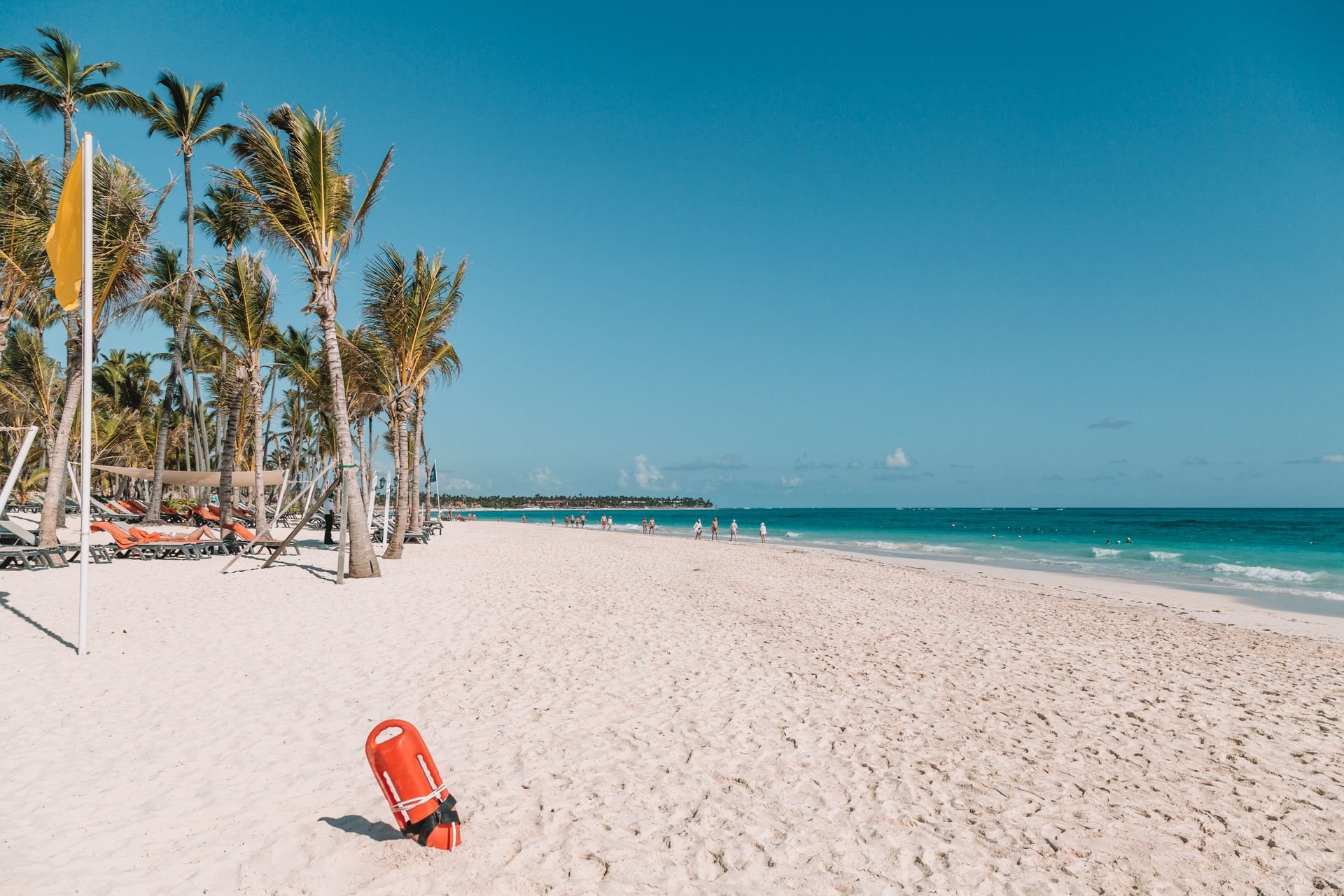
What Buyers Should Actually Know Before Relocating to the Dominican Republic
The Dominican Republic gets pitched constantly as the easiest Caribbean island to relocate to, and on the property side that reputation largely holds up. Where it gets more complicated is the residency and tax side, which works quite differently from the OECS islands and deserves its own explanation rather than a copy-paste of what applies elsewhere.
Buying property: no restrictions, but check the entity
Foreigners can buy and hold freehold property in the Dominican Republic on the same terms as Dominican nationals, with no alien landholding licence, no government approval process, and no waiting period. Ownership can be held individually or through a Dominican company, and many overseas buyers use a company structure for rental properties specifically because it affects how rental income and eventual capital gains are taxed, which is a decision worth making with an accountant before completion rather than after.
Residency by investment
The Dominican Republic's Directorate General of Migration confirms an investor residency category requiring a minimum capital contribution of US$200,000, which can go into an existing business, term deposits in Dominican banks, listed securities, or real estate. That figure comes directly from the government's own migration website, which makes it one of the more reliably sourced numbers in this guide. Separately, some advisory firms describe a specific real estate route tied to the CONFOTUR tourism incentive law requiring a higher minimum of US$500,000 in qualifying property, which is worth asking a Dominican immigration attorney about directly, since it is a distinct category from the general US$200,000 investor route rather than an alternative figure for the same one. Two other, lower-threshold routes exist for people who are not looking to invest a lump sum: the pensionado category for retirees with a pension of at least US$1,500 a month (plus a supplement for each dependant), and the rentista category for anyone with US$2,000 a month in documented passive income. The initial residency card is valid for one year, with subsequent renewals running four years at a time. Dominican naturalisation law allows investors to apply for citizenship after a comparatively short period of residence, but approval is discretionary and in practice the process usually takes considerably longer than the legal minimum, so it is best treated as a longer-term possibility rather than a timeline to plan around.
Property taxes, briefly
There is no VAT on the property transfer itself. What you do pay is a one-time transfer tax of 3% of the higher of the sale price or the tax authority's assessed value, and an annual property tax (IPI) of 1% on the assessed value above a threshold set at RD$10,695,494 for 2026, roughly US$170,000 to US$180,000 depending on the exchange rate, meaning many mid-market properties owe little or nothing annually. Properties approved under the CONFOTUR programme can be exempt from both the transfer tax and the annual IPI for a set period, which is a meaningful saving on new development purchases specifically, though the exemption is tied to the project's approval date rather than to whoever happens to be the current owner.
Customs and shipping
The standard rate of ITBIS, the Dominican Republic's VAT equivalent, is 18%, applied to the CIF value of imported goods plus any duty already charged. Tariffs on general merchandise are bound between 0 and 40% under WTO rules, with a handful of agricultural products carrying separate, higher exceptions. Unlike some of the smaller islands, there is no widely published government exemption for new residents' household goods that we can point to, so anyone planning a shipment should get a written quote and duty estimate from a licensed Dominican customs broker before committing to a shipping date, rather than assuming a blanket exemption applies.
Driving
The Dominican Republic drives on the right, unlike most of the English-speaking Caribbean, which is worth flagging specifically for UK arrivals used to driving on the left. Tourists can generally drive on a valid foreign licence for a limited period, after which residents are expected to obtain a Dominican licence; the exact grace period and exchange process varies enough between sources that it is worth confirming directly with the relevant local traffic authority (Dirección General de Tránsito Terrestre) once residency is granted, rather than relying on general guidance.
Banking and settling in
Foreigners can open a Dominican bank account with a passport, though a Dominican tax ID (RNC) and a residency permit make the process faster and unlock more account types. Many long-term residents keep both a Dominican peso account for local spending and a US dollar account, since a meaningful share of the property market, particularly in tourist areas like Punta Cana and Cap Cana, is priced and transacted in US dollars rather than pesos.
Healthcare
The Dominican Republic has both a public health system and a substantial private one, and the private sector, particularly in Santo Domingo, Santiago and the main tourist corridors, is generally what expatriates and residency-by-investment applicants rely on for anything beyond emergency care. Private health insurance is not a formal residency requirement in the way it is in some jurisdictions, but in practice almost every long-term foreign resident carries it, since public facilities outside the major cities can be inconsistent in quality and English-language capacity is not guaranteed.
Taken together, the Dominican Republic offers one of the more open property markets in the region alongside a residency system with clear, government-published figures behind it. The gaps that remain, mainly around the exact customs treatment for new residents' household goods and the current driving licence exchange window, are the kind of detail a local relocation agent or customs broker can confirm in a single phone call.
This guide is general information at the time of writing, not legal, tax or immigration advice. Rules and figures change, so confirm current requirements with a licensed local attorney or the relevant authority before making decisions.
Explore related blogs
View All
Renting Out Your Turks and Caicos Property: Licences, the 12% Tax and Tighter Enforcement
Investment Strategies
Renting Out Your Bahamas Property: Registration, VAT and the New Property Tax Class
Investment Strategies

Best Areas to Buy in St Vincent and the Grenadines: Villa, Bequia, Union Island and Beyond
Investment Strategies
Looking for Properties?
Browse homes that match your needs and budget with expert support and personalized advice to help you find your perfect Caribbean property. Get started within 5 days for quality advice to begin searching.