Renting Out Property in the BVI:
The Licence, the 10% Tax and the Gaps
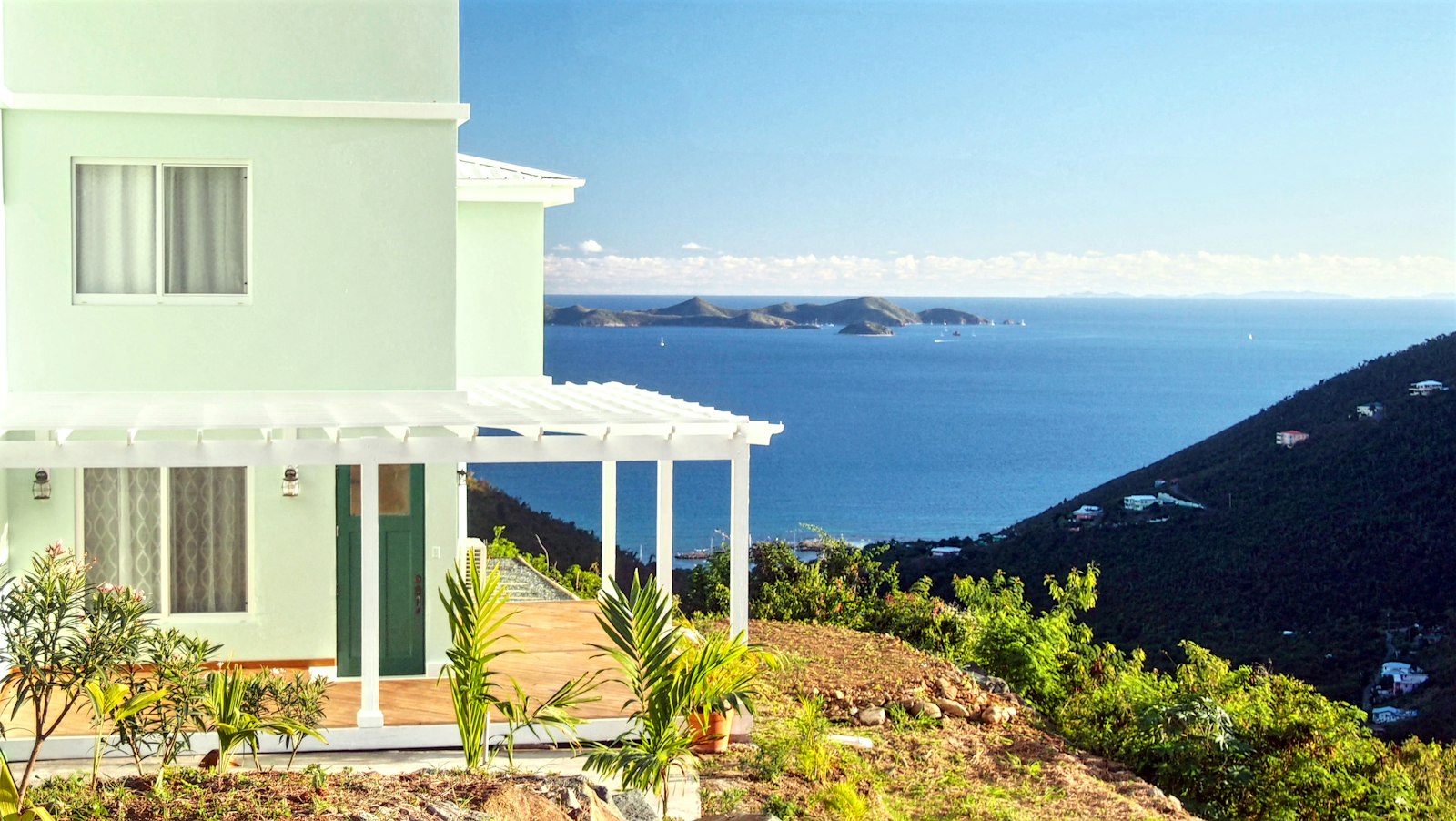
Renting Out Property in the BVI: The Licence, the 10% Tax and the Gaps
The BVI's rental rules are shorter than the Antigua or USVI equivalents, but they are less neatly written down. Most of what a new villa owner needs to do is clear. One question is not, and it is worth knowing which is which before the first booking comes in.
Permission to rent comes early
Owners planning to let a property are advised to start before they own it. A specialist BVI property publication describes approval from the government to rent the property as a step handled by the buyer's lawyers, running at the same time as the application for a Non-Belongers Land Holding Licence. Once that permission is in place, the owner applies for a Trade Licence, which allows registration with the relevant government agencies, the hiring of staff, the acceptance of bookings and payment of the taxes attached to rental income. A local Coldwell Banker article makes the same point from the agency side: the right to rent is secure as long as the trade licence is maintained and the accommodation taxes are paid.
The 10% Hotel Accommodation Tax
The tax itself is not in doubt. The BVI Government raised the Hotel Accommodation Tax from 7% to 10% on 1 February 2017, the first increase in more than 30 years, after introducing it in 1969 at 3%. It is charged on the guest's accommodation bill and, for licensed villa owners, is paid to the Inland Revenue Department monthly. Airbnb's own help centre confirms it collects 10% on BVI reservations and passes it on, and a 2019 Cabinet decision set that arrangement up for owners letting through the platform.
The question nobody answers clearly
Here the sources thin out. The 2019 arrangement with Airbnb led to public argument about whether a host who rents only through the platform still needs a Trade Licence, or whether Airbnb's collection of the tax covers the obligation. Commentary at the time disagreed, and no government page found for this article settles it. Anyone planning to rent a BVI property mainly through Airbnb should ask the Inland Revenue Department, or a BVI attorney, for a written answer rather than rely on a forum thread.
What the numbers look like
There is no independent yield or occupancy data for BVI villa rentals that could be verified. A local agency argues that villa supply is naturally limited because buying or building takes time, which supports occupancy and nightly rates. That is a reasonable argument, though it is an agency's view. The specialist property publication quoted above is more cautious, saying a short-term rental is unlikely to make an owner wealthy but may cover operating costs if well managed.
The cost base
Rental income is not the only number to weigh. Non-Belongers pay 12% stamp duty on purchase, covered elsewhere in this series, and most of what a villa needs is imported. The BVI has no capital gains, wealth or inheritance tax according to the same agency, which helps on exit.
For owners who plan to use the villa themselves for several weeks a year and let it for the rest, the arrangement is workable. The licence and monthly tax filings are routine once set up, and it is the first year's paperwork, not the ongoing administration, that takes the effort.
Explore related blogs
View All
Renting Out Your Turks and Caicos Property: Licences, the 12% Tax and Tighter Enforcement
Investment Strategies
Renting Out Your Bahamas Property: Registration, VAT and the New Property Tax Class
Investment Strategies
Best Areas to Buy in St Vincent and the Grenadines: Villa, Bequia, Union Island and Beyond
Investment Strategies
Looking for Properties?
Browse homes that match your needs and budget with expert support and personalized advice to help you find your perfect Caribbean property. Get started within 5 days for quality advice to begin searching.